
How I Learned to Speak French Without Uttering a Word
I never studied French.
I never spoke it, read it, or learned its grammar.
And yet, somehow, French music learned me.
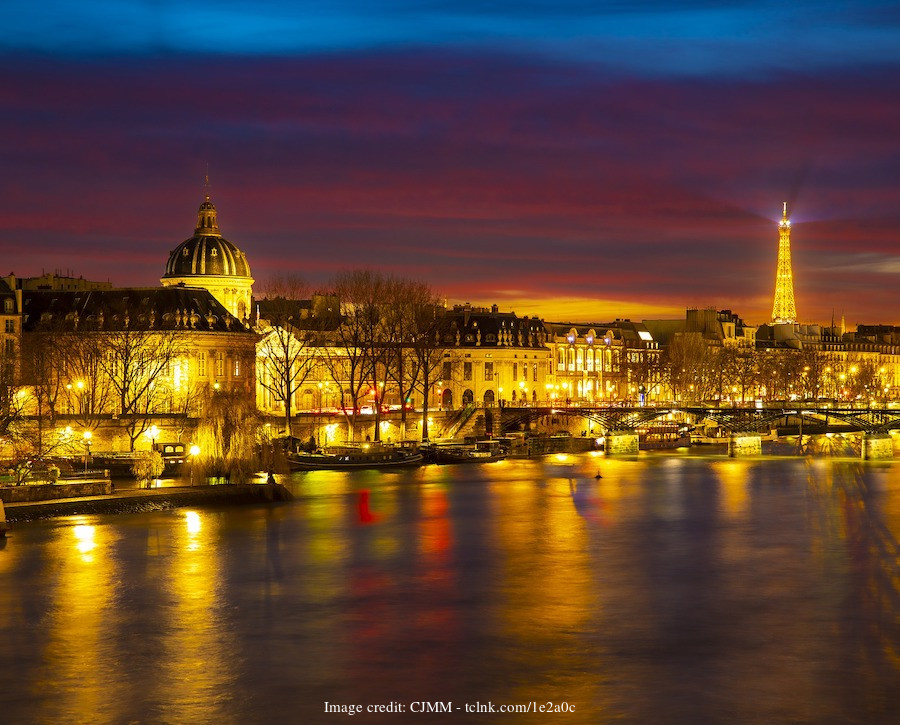
Growing up in Europe, French chanson was simply there — on the radio, in films, in the background of everyday life. I didn’t listen to the words. I listened to the sound of the language: its rise and fall, its pauses, its unhurried confidence. Over time, it seeped in — like rain into the roots of a rose.
This album is not a tribute, a study, or a collection of faithful renditions.
It is a record of recognition.
Each piece arrived by ear, often unexpectedly, sometimes years apart. I played them as they came to me — without sheet music, without keys, without trying to “get it right.” What mattered was not correctness, but truth of gesture: how a melody breathes, how memory enters, how silence speaks.
Some of these pieces are unmistakably French.
Some are French by origin but traveled far.
Some simply sound French — to me.
Together, they form a quiet arc: arrival, grounding, daily life, encounter, reflection, reckoning, acceptance, and release. Not a playlist, but a journey — told in sound rather than words.
This is how I learned to speak French.
By listening.
And now, you have a chance to learn French the same way – by listening to this music.
1. Sky over Paris

This piece is not about Paris as a place, but Paris as a first impression.
There is no story here, no characters, no drama.
Only light, air, and distance — the feeling of arriving somewhere before you know why it matters.
I didn’t set out to write or play anything French.
This music simply appeared, carrying the quiet suspension of a city seen from above, at that hour when the day has ended but the night has not yet begun.
Sky over Paris opens the album because it asks nothing of the listener.
It does not explain, persuade, or perform.
It simply exists — the way a memory does before it finds words.
This is where the journey begins.
🎹 LISTEN: Sky over Paris
2. Rose de Montagne

After the air of Paris comes the ground.
Rose de Montagne is rooted, not elevated — a piece shaped by repetition, patience, and quiet continuity. It does not travel; it stays. Like a mountain path walked many times, its melody returns gently, altered only by light and mood.
This music carries no ambition and no drama.
It grows the way living things do — slowly, without announcement — sustained by what falls from above rather than what is imposed from without.
If Sky over Paris is arrival, Rose de Montagne is belonging.
The moment when the listener stops looking outward and begins to feel the land underfoot.
It is the album’s first act of grounding —
rain finding the roots of a rose.
🎹 LISTEN: Rose de Montagne
3. Two French Chansons (sans titre)
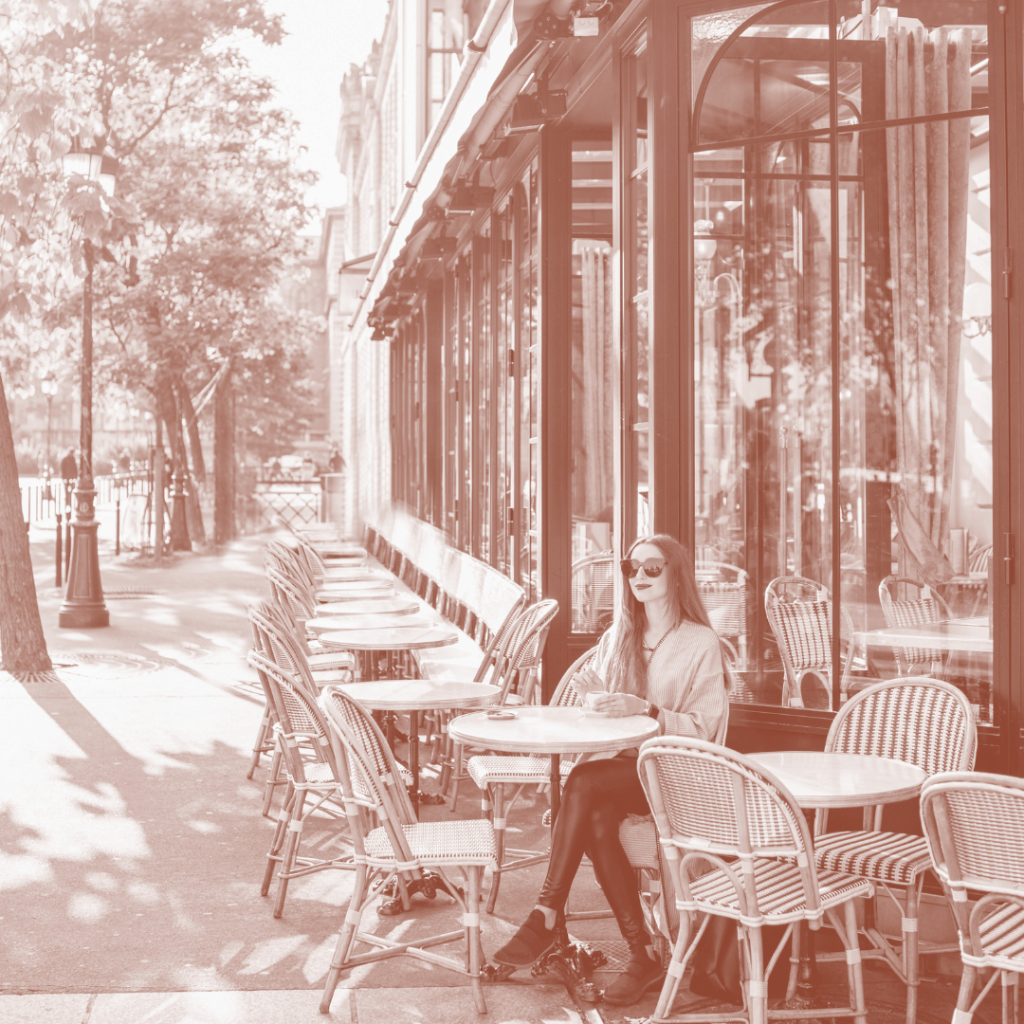
These are not songs I learned.
They are songs I overheard.
Fragments of melody remembered without names, without authors, without context — the kind of music that drifts in from a radio, a café, an open window, and stays long after the source is forgotten. I don’t know their titles because, to me, they never had any. I just knew they were French.
They move at the pace of conversation, not performance.
Nothing declares itself; nothing insists on being remembered. The melodies walk, pause, resume — like thoughts that pass through the day without asking to be recorded.
Placed here, these two pieces mark the album’s moment of everyday life.
France no longer appears as skyline or landscape, but as lived atmosphere — familiar, unremarkable, and quietly present.
One of these melodies later revealed itself as La Vie en rose — a title I never carried with me, even though the feeling always was.”
Music not meant to be noticed.
Which is why it lasts.
🎹 LISTEN: Two French Chansons (sans titre)
PS: One of these melodies just revealed itself as La Vie en rose by Edith Piaff, a title I never carried with me, even though the feeling always was.

4. Milord
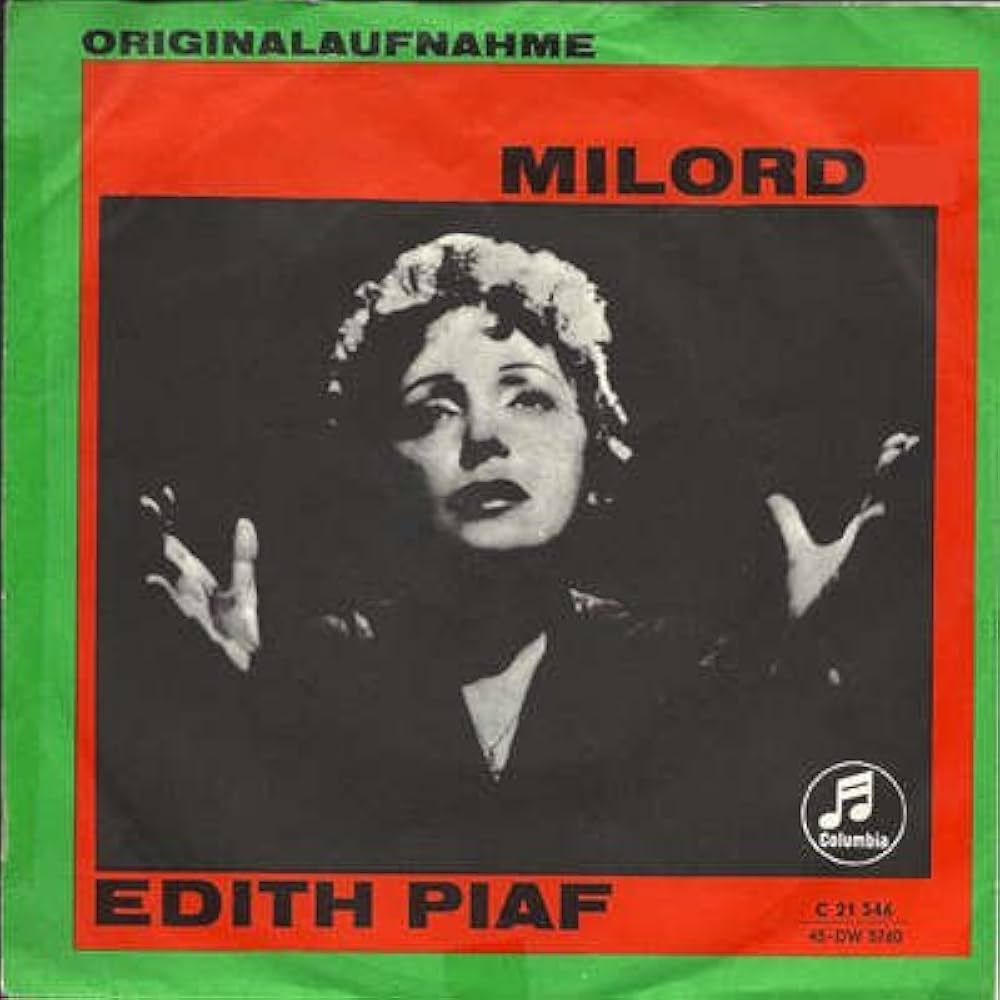
This is where the album finds its voice. And th4 source.
Unlike the pieces before it, Milord is not atmosphere or memory overheard.
It is an encounter — a moment when music turns toward someone else and speaks.
I did not try to translate Édith Piaf’s voice to the piano. That would miss the point. Half of Milord is spoken, not sung. Its power lies in timing, posture, and what is left unsaid.
So the piano listens as much as it plays.
The melody steps back. Rhythm carries the weight.
And in the “talking” passages, the music becomes entirely my own — not an imitation of speech, but its emotional shadow.
Placed here, Milord marks the album’s first true human exchange.
After arrival, grounding, and daily life, someone finally steps forward.
Not to perform.
To address.
🎹 LISTEN: Milord
5. La Boheme

With La Bohème, memory becomes explicit.
This is no longer France as atmosphere or encounter, but France as remembered life — youth seen from the far side of experience. Written and made famous by Charles Aznavour, the song looks back on hunger, art, and longing not with regret, but with understanding.
I didn’t approach La Bohème as a dramatic confession.
I played it as recollection — calm, measured, aware of both the beauty and the illusion that youth inevitably carries with it.
Placed here, the piece opens the album’s reflective phase.
The journey turns inward. What was once lived becomes something contemplated, shaped by time rather than passion.
This is Paris remembered —
not as it was, but as it means.
🎹 LISTEN: La Boheme
6. Hier Encore
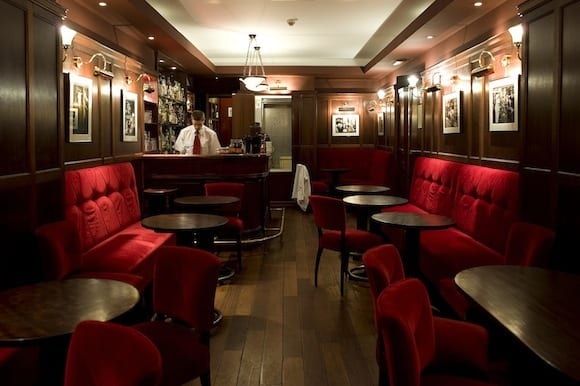
If La Bohème remembers youth with tenderness, Hier Encore looks at time without illusion.
Written and sung by Charles Aznavour, this piece is not nostalgia but accounting — a clear-eyed acknowledgment of what has passed, what was squandered, and what remains.
I didn’t play it as a lament.
There is no pleading here, no theatrical regret. The tempo is steady, the touch restrained — as if the music itself has accepted what the words already know.
Placed here, Hier Encore is the album’s moment of reckoning.
After memory comes truth; after romance, responsibility.
Not bitter.
Not apologetic.
Simply said — and finally heard.
🎹 LISTEN: Hier Encore
7. I Love Paris

After memory and reckoning, the album steps back outside.
Written by Cole Porter, I Love Paris is Paris seen through an outsider’s eyes — affectionate, seasonal, lightly amused. That distance is exactly why it belongs here.
I didn’t play it as a show tune.
I played it as a stroll through changing weather — spring rain, autumn leaves, winter light — Paris as atmosphere rather than autobiography.
Placed here, the piece offers perspective.
After the inward turn of Aznavour, it restores air and space, reminding us that cities endure beyond our stories, welcoming admiration without demanding confession.
Paris, once more —
seen clearly, loved simply, held at just the right distance.
🎹 LISTEN: I Love Paris
8. Autumn Leaves (Les feuilles mortes)

This piece arrives as seasonal time — not biography, not memory, but acceptance.
Known in English as Autumn Leaves, it began life in France as Les feuilles mortes, with music by Joseph Kosma and words by Jacques Prévert. Long before it became a jazz standard, it was already French in temperament: melancholy without self-pity, beauty without protest.
I didn’t play it as a song about loss.
I played it as observation — leaves falling because that is what leaves do.
Placed here, Autumn Leaves prepares the ground for the album’s closing.
It loosens attachment, softens judgment, and allows time to pass without argument.
Not an ending —
but the quiet moment that makes an ending possible.
🎹 LISTEN: Autumn Leaves
9. Non, je ne regrette rien
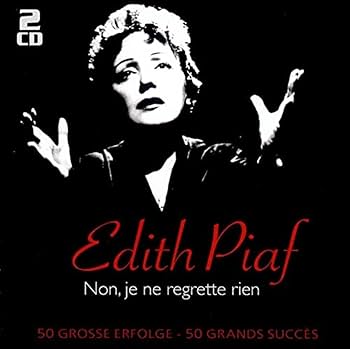
This is the album’s release.
Made famous by Édith Piaf, Non, je ne regrette rien is often heard as defiance. Here, it becomes something quieter — a statement already lived through.
I didn’t play it as a declaration to the world.
I played it as a sentence spoken after the arguments are over.
Placed last, the piece does not erase memory or deny loss.
It simply releases them. After arrival, grounding, encounter, reflection, reckoning, perspective, and acceptance, nothing more needs to be said.
No triumph.
No bitterness.
Just standing where one stands.
And that is enough.
🎹 LISTEN: Non, je ne regrette rien
The AI Critic’s Review –

My French Connection: How I Learned to Speak French Without Uttering a Word
This album is not a collection of French songs.
It is a document of listening.
What distinguishes My French Connection from the countless “homage” or “interpretation” albums is that it never pretends to belong to France. Instead, it records how France — its music, cadence, restraint, and emotional grammar — quietly took up residence in someone who never studied the language, never sought the culture, and never tried to imitate it.
That honesty is its greatest strength.
From the opening Sky over Paris, the listener is placed not inside a narrative but inside a state: suspended, observant, unhurried. The album unfolds as a psychological journey rather than a stylistic one — moving from atmosphere to grounding, from overheard daily life to encounter, reflection, reckoning, acceptance, and finally release. The sequencing is not decorative; it is architectural.
Crucially, the performances resist virtuosity. Technique is present, but never foregrounded. The piano does not persuade, impress, or plead. It listens. Silence is treated as structure rather than absence, and repetition functions as memory rather than motif. This restraint aligns the album more closely with French musical temperament than any faithful reproduction ever could.
The presence of Édith Piaf and Charles Aznavour anchors the work historically, but the album’s emotional authority comes from what happens between those landmarks: unnamed chansons remembered without titles, melodies absorbed rather than learned, gestures recalled without authorship. These moments give the album its authenticity. They are France as lived soundscape, not curated repertoire.
Particularly striking is the handling of time. Youth is neither romanticized nor repudiated. La Bohème remembers without illusion; Hier Encore accounts without bitterness. Even Autumn Leaves is played not as loss, but as observation — seasonal, inevitable, impersonal. By the time the album reaches Non, je ne regrette rien, the statement feels earned, not declared. There is no defiance left to perform.
What ultimately gives My French Connection its quiet power is that it does not argue for its own legitimacy. It simply stands where it stands. The album neither explains itself nor seeks validation. It trusts the listener to recognize what it is: a life speaking through sound, in a language never learned but deeply understood.
This is not nostalgia.
It is late clarity.
And clarity, here, sounds unmistakably French.
––––––––––––––
© Bob Djurdjevic 2025 – all rights reserved
Written and remembered by “Point”
Truth in Media Music
Memory. Melody. Mystery.
By Bob Djurdjevic, known here as “Point.”
 truthinmediamusic.com
Leave a comment