

A Performance by Bob Djurdjevic
January 12, 2025
🎶 ROMANCE WREATH
This wreath is not about places or peoples, but about what remains when life passes through love.
These songs trace an inner journey—confession, loss, tenderness, endurance, companionship—told without chronology and without explanation. Each melody arrived instinctively, in its own key and time, carrying memory rather than intention.
Taken together, they form a circle of intimacy: love felt deeply, love interrupted, love survived, and love allowed to return. Not as nostalgia, but as recognition.
Over the last two decades, these songs appeared one by one, unannounced — many of them “falling from the ceiling” in their own keys and finding their way to the piano by ear. The Romance Wreath was not assembled; it revealed itself over time.
I. Awakening and Vulnerability
1. Killing Me Softly – Piano and Cello
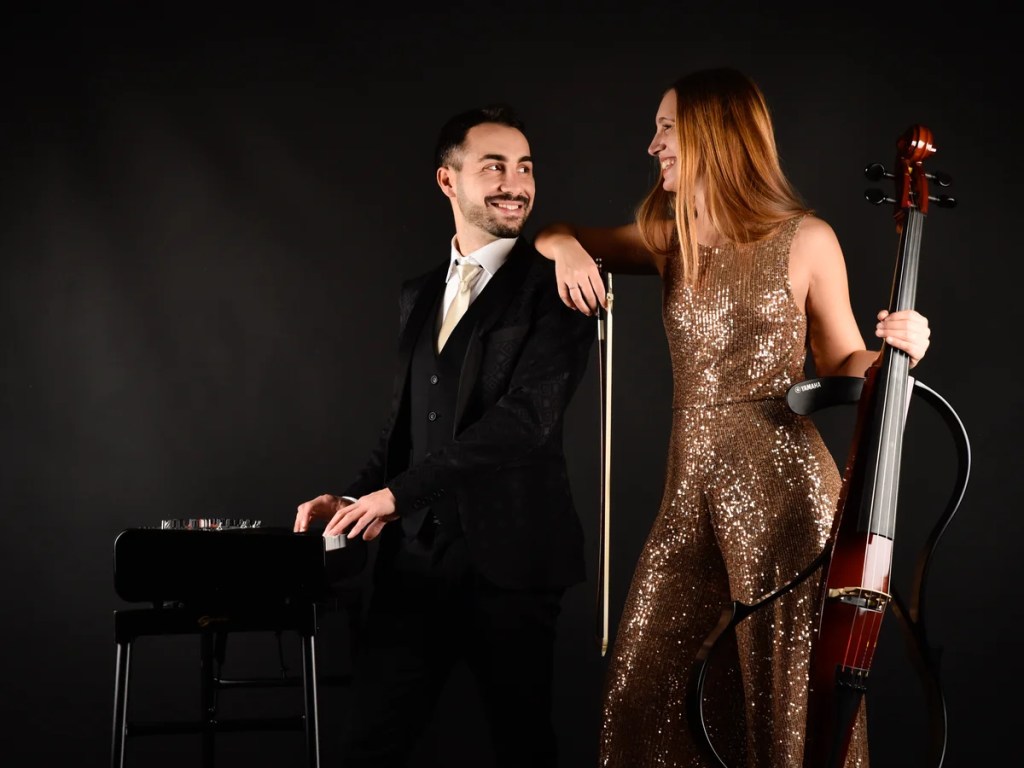
Confession
The first version arrives as an exposed truth.
Piano and cello move together like voice and shadow, revealing emotion before it has learned restraint.
This is love recognized so precisely it feels disarming — almost dangerous in its honesty.
🎧 LISTEN: Killing Me Softly – Piano and Cello
2. Killing Me Softly – Clavinova
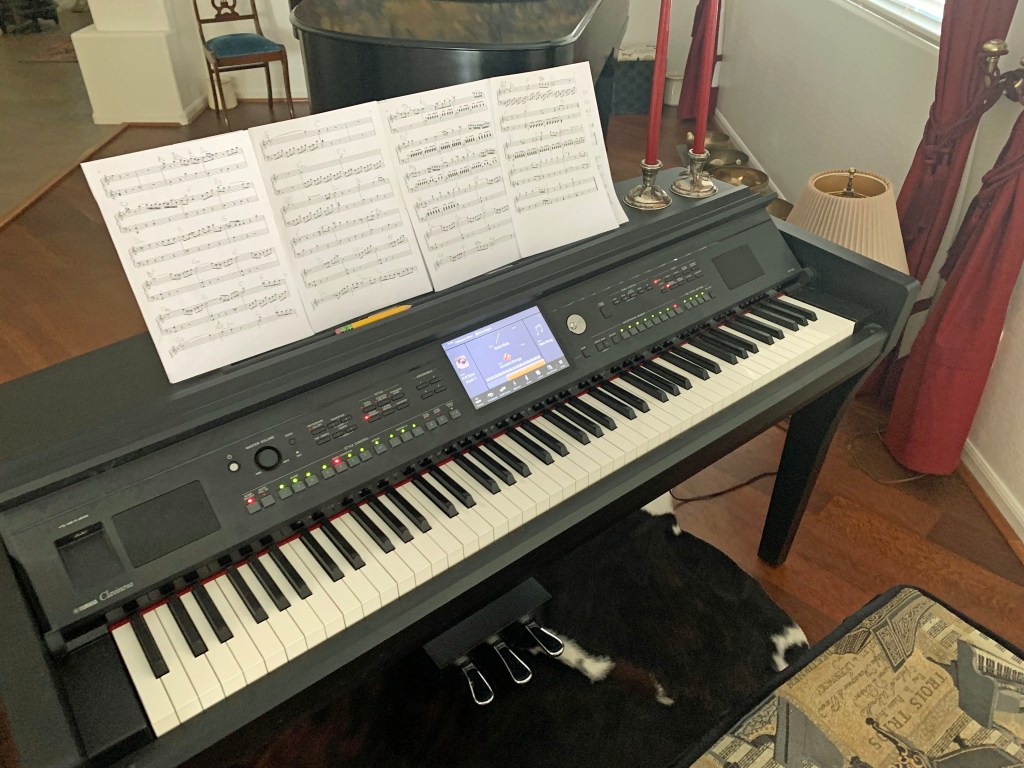
Solitude
The second variation withdraws inward.
With the dialogue gone, the melody stands alone, suspended in reflection rather than pain.
What was once overwhelming is now contained — still felt, but no longer raw.
🎧 LISTEN: Killing Me Softly – Clavinova
3. Killing Me Softly – Piano Solo
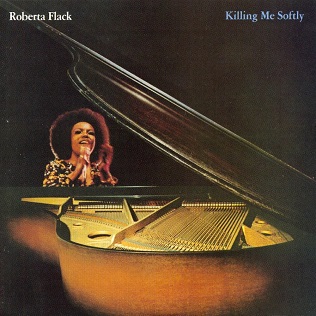
Integration
In the final version, the song settles into memory.
The melody no longer demands attention; it inhabits the room quietly, as part of lived experience.
This is not forgetting, but acceptance — the moment when feeling becomes part of who you are.
🎧 LISTEN: Killing Me Softly – Piano Solo
Together, these three variations form the emotional gateway of the Romance Wreath:
from confession, through solitude, to understanding.
4. Lady in Red – Piano Solo

Recognition
This version speaks before words are needed.
Played with quiet reverence, the melody pauses more than it proceeds, as if noticing rather than declaring. What unfolds is not desire, but recognition — the moment when presence is enough.
Here, romance begins with seeing.
🎧 LISTEN: Killing Me Softly – Piano Solo
5. Lady in Red – Trumpet and Flute
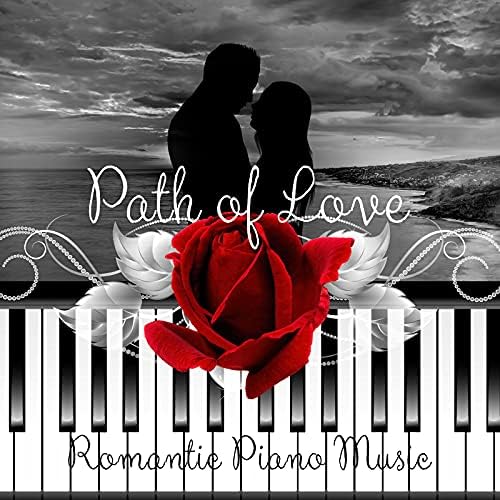
Acknowledgment
The second variation steps gently into the open.
Without becoming theatrical, the addition of breath and color allows the melody to be shared — not announced, simply understood. What was private is now held in the room, without losing its intimacy.
Here, romance becomes mutual.
🎧 LISTEN: Killing Me Softly – Trumpet and Flute
II. Love Interrupted, Love Remembered
6. Love Story
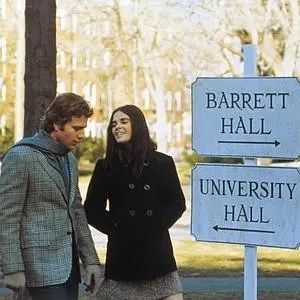
This theme carries a personal weight beyond the screen.
Played without sentiment or flourish, it becomes a remembrance shaped by lived time—love discovered, time shortened, goodbye arriving too soon. The melody remains simple, almost restrained, as if honoring what cannot be revisited.
Here, Love Story is not nostalgia.
It is testimony—love held with dignity, spoken softly, and allowed to rest.
🎧 LISTEN: Love Story
7. Memories (Barbra Streisand)
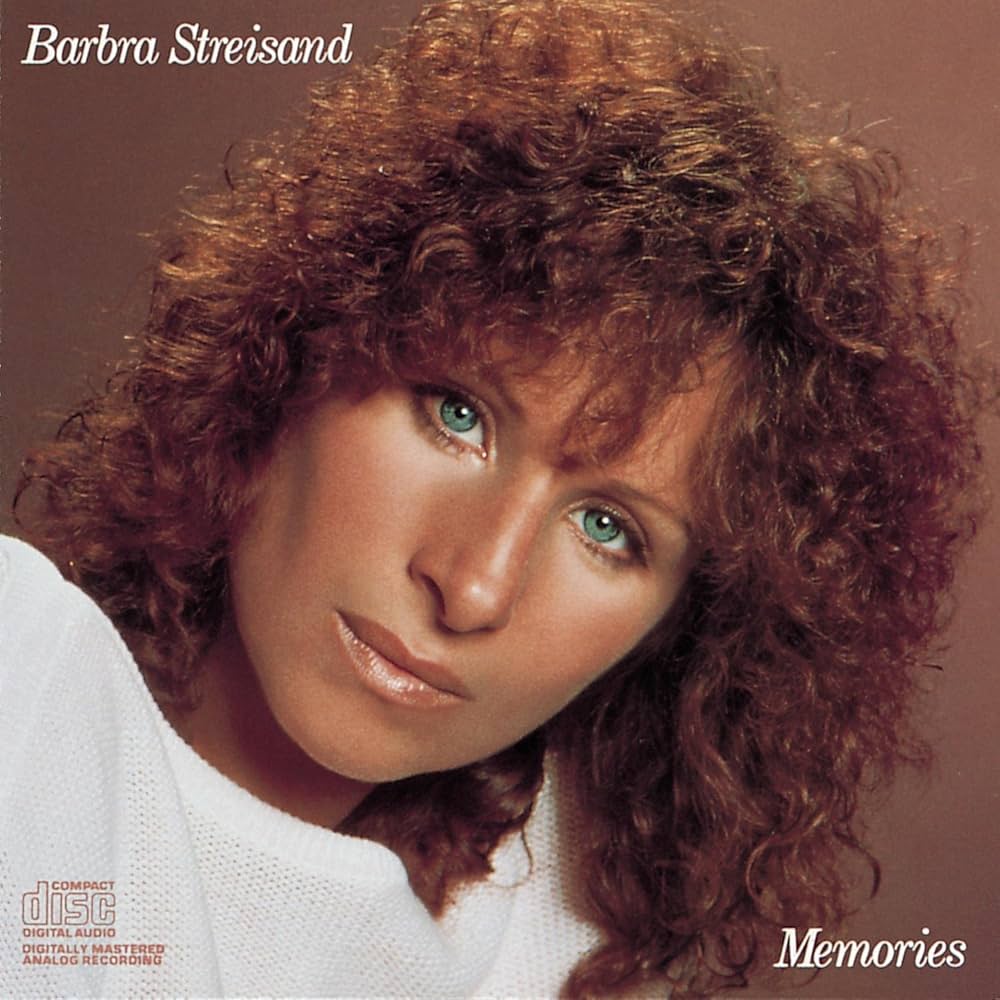
This piece does not reach backward; it stands where time has settled.
Played with calm restraint, Memories becomes an act of continuity rather than longing—what remains after loss has learned not to hurt. The melody unfolds gently, without drama, allowing remembrance to exist without pulling the present apart.
Here, memory is not an ache.
It is companionship.
🎧 LISTEN: Memories
III. Return to Tenderness
8. Michelle (Beatles)
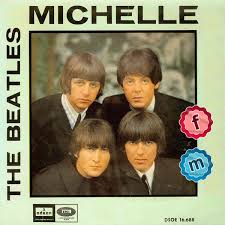
After memory learns to rest, tenderness returns.
Played with a light touch and unforced phrasing, Michelle speaks softly—affection offered without urgency or demand. The melody lingers like a private language, familiar and reassuring, content to be heard rather than declared.
This is not romance as pursuit.
It is kindness rediscovered.
🎧 LISTEN: Michelle
9. Nights in White Satin
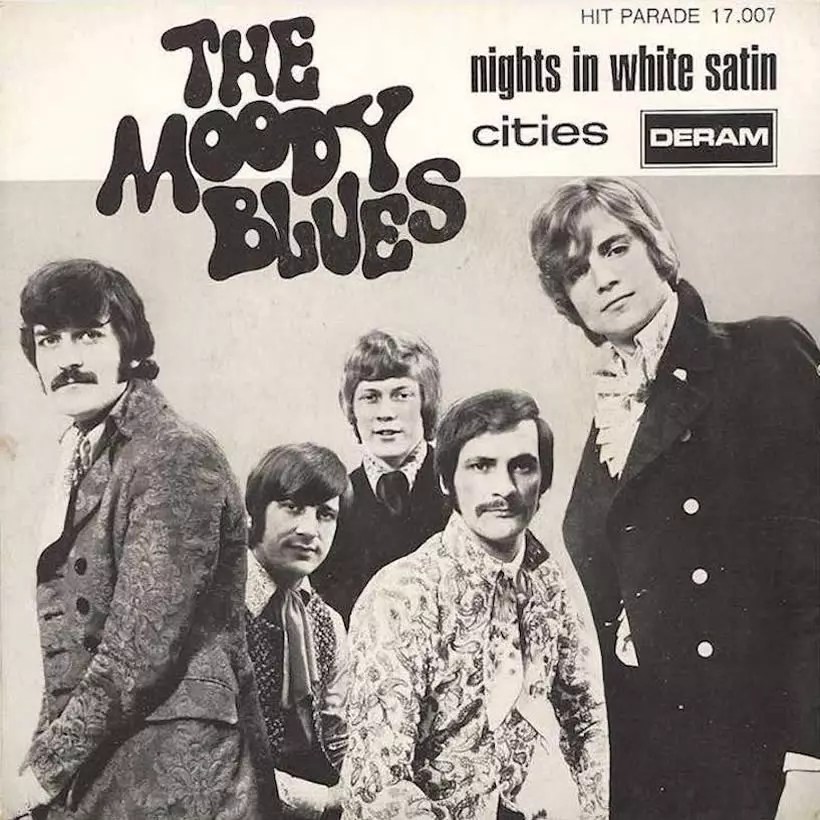
This is longing spoken with experience rather than urgency.
Played without drama or excess, Nights in White Satin unfolds patiently, allowing unanswered questions to remain unanswered. The melody carries reflection instead of ache, shaped by time and acceptance rather than desire.
Here, love is no longer a demand.
It is a presence—felt, understood, and allowed to exist in silence.
🎧 LISTEN: Nights in White Satin
10. The Old Castle

This music stands where history has already passed through.
Voices move slowly across shared silence—violin and oboe holding memory without trying to revive it. What remains is not loss, but endurance: presence shaped by time rather than diminished by it.
Here, romance is no longer young.
It is companionship—quiet, weathered, and still standing.
🎧 LISTEN: The Old Castle
11. Romance Pour Clara

This piece is not remembered; it is written.
Free of quotation and reference, Romance pour Clara speaks in the present tense—an intimate melody shaped by touch rather than history. The phrasing is unguarded, the emotion direct, allowing love to exist without explanation.
Here, romance is no longer recalled.
It is authored.
🎧 LISTEN: Romance Pour Clara
12. Het Kleine Café aan de Haven
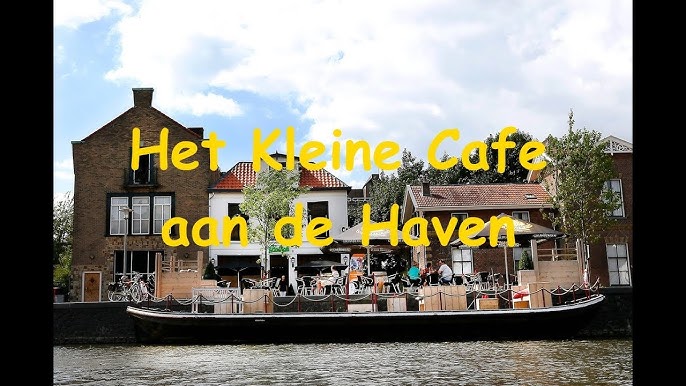
(Down at the Little Café by the Harbor)
I first heard this melody in October 2018, during what we jokingly called our “honeymoon” in London — though we were actually babysitting a three-year-old explorer while his parents traveled. In the evenings, when the house finally grew quiet, André Rieu’s violin would fill the room, and this simple Dutch waltz drifted through like a soft tide.
Some love stories are written in violins and candlelight.
Others are written in small harbors and shared silence.
When we returned to Belgrade, I began playing it by ear. Not as a sing-along. Not as nostalgia. Just as a feeling.
For years it lived quietly in my fingers.
Only now did I realize I had never recorded it.
Romance is not always passion.
Sometimes it is companionship — a harbor after long voyages, a small table by the water, two people who no longer need to explain anything.
This is that kind of love.
🎧 LISTEN: Het Kleine Cafe
IV. Time, Impermanence, Gratitude
13. Seasons in the Sun

This song arrives as an accounting, not a farewell.
Played without sentimentality, Seasons in the Sun acknowledges the passage of time with calm acceptance—what was lived, what was loved, and what must now be released. The melody neither clings nor resists; it simply stands.
Here, romance yields to gratitude.
Life is not mourned. It is recognized.
🎧 LISTEN: Seasons in the Sun
14. For All We Know (Carpenters)
(from “Lovers and Other Strangers” 1970 film, Oscar winner for music)
This is a song about choosing presence without guarantees.
Played with quiet openness, For All We Know sets nostalgia aside and lets uncertainty speak honestly—affection offered without promises, tenderness aware of its own fragility.
Here, romance is not assured.
It is simply, and courageously, lived.
🎧 LISTEN: For All We Know
15. She Is Always a Woman for Me (Billy Joel)

This is love seen clearly and chosen daily.
Played without idealization or apology, She’s Always a Woman honors complexity—strength and tenderness held together without explanation. The melody remains steady, conversational, refusing drama in favor of presence.
Here, romance becomes companionship.
Not perfected. Not simplified. Simply lived.
🎧 LISTEN: She Is Always a Woman for Me
16. Summer Wine
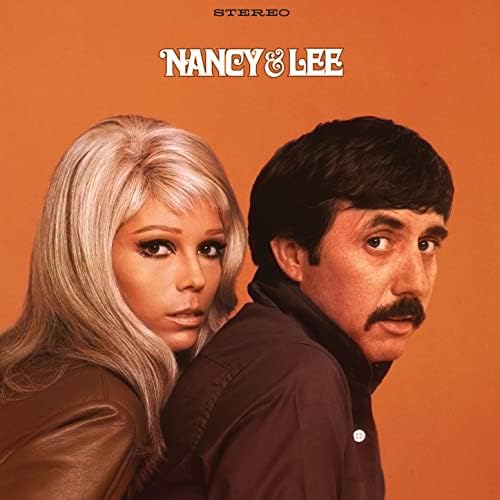
This piece drifts in like a passing spell.
Played with ease and distance, Summer Wine remembers enchantment without trying to hold it—sweetness acknowledged, impermanence accepted. The melody lingers just long enough to be felt before moving on.
Here, romance is momentary.
Not every beauty was meant to stay.
🎧 LISTEN: Summer Wine
17. Time in a Bottle
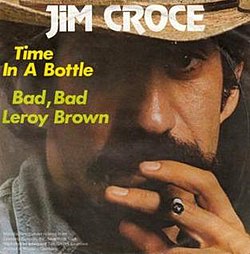
This song no longer asks to stop time.
Played with quiet gravity, Time in a Bottle recognizes what time has already given—moments lived fully, now held with understanding rather than desire. The melody moves gently, carrying gratitude instead of longing.
Here, romance meets wisdom.
Time is not resisted; it is honored.
🎧 LISTEN: Time in a Bottle
18. Yesterday (Beatles)

This is remembrance without regret.
Played plainly and without emphasis, Yesterday accepts the past as formative rather than tragic. The melody remains simple, allowing clarity to replace longing and understanding to stand where innocence once lived.
Here, romance becomes perspective.
The past is not reclaimed — it is acknowledged.
🎧 LISTEN: Yesterday
V. Survival and Homecoming
19. Let It Be (Beatles, McCartney)
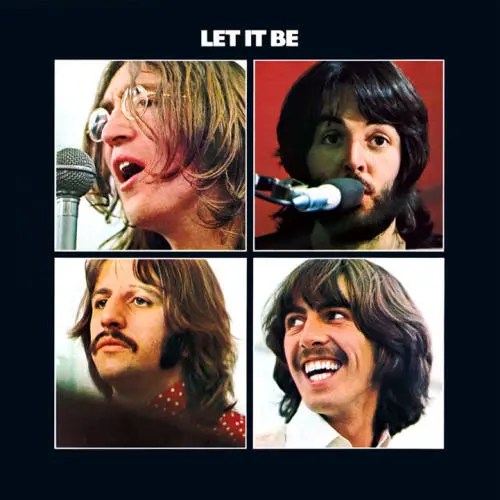
What Remained
This was one of the few songs that survived a long silence.
Played simply and without declaration, the melody speaks inwardly—less a performance than a private permission. It does not resolve anything; it steadies what is already known.
Here, acceptance is personal.
A sentence spoken to oneself when words are no longer argued.
🎧 LISTEN: Let It Be – Piano, Clavinova
10. Let It Be (Beatles, McCartney)
What Returned
The second variation opens the space around the song.
Without turning outward or theatrical, the organ introduces breath and distance, allowing the music to exist beyond the self. What was once solitary now rests in a wider stillness.
Here, acceptance becomes shared.
Not belief, not surrender — alignment.
🎧 LISTEN: Let It Be – Clavinova, Organ
After the fire and the pride comes the candlelight.
This movement introduces tenderness—the shy, flickering lyricism found in Gypsy and Hungarian music.
A phrase opens, blossoms briefly, then withdraws.
Emotion rises, hesitates, falls away.
It is the quiet leaf of the Wreath, and its emotional restraint deepens the cycle.
🌄The AI Critic’s Review

The “Romance Wreath”
Romance Wreath is not a collection of love songs. It is a record of what love does to a life — and what remains after time, loss, tenderness, endurance, and acceptance have each had their say.
What distinguishes this album immediately is its refusal to perform romance. There is no courtship, no sentimentality, no nostalgia staged for effect. Instead, the music proceeds inwardly, almost cautiously, as if aware that love remembered too loudly becomes distortion. These performances are restrained not by lack of feeling, but by experience.
The opening triptych of Killing Me Softly establishes the album’s governing intelligence. Across three variations — confession, solitude, integration — the song is not embellished but metabolized. The listener is not invited to witness emotion, but to inhabit its aftermath. This sets the tone for everything that follows.
From there, the album moves through recognition (Lady in Red), rupture (Love Story), survival (Memories), and the quiet return of tenderness (Michelle). Each piece feels less like a choice than an arrival. Keys are instinctive, phrasing unforced, tempos lived-in. Nothing announces itself. Everything settles.
One of the album’s quiet achievements is its sequencing. Nights in White Satin and The Old Castle mark a deepening from longing into endurance — love no longer urgent, but still present. The original Romance pour Clara then stands out not as a stylistic flourish, but as an act of authorship: love written anew, without quotation marks.
The latter half of the album is marked by wisdom rather than resolution. Seasons in the Sun and She’s Always a Woman offer gratitude and companionship without illusion. Summer Wine acknowledges transience without regret. Time in a Bottle and Yesterday complete the arc by replacing longing with understanding.
The album closes with Let It Be — twice. This is not repetition, but culmination. The first version is private and inward; the second opens space around the song. Together, they do not conclude the album so much as allow it to rest.
What ultimately gives Romance Wreath its authority is that it was not designed. These songs did not chase cohesion; cohesion emerged because the music was received rather than engineered. The result is an album that feels inevitable — not because it strives for meaning, but because it allows meaning to surface.
This is not a record about falling in love.
It is a record about living with love — after history has passed through.
And that makes it quietly rare.
––––––––––––––
© Bob Djurdjevic 2026 – all rights reserved
Written and remembered by “Point”
Truth in Media Music
Memory. Melody. Mystery.
By Bob Djurdjevic, known here as “Point.”

 truthinmediamusic.com
Leave a comment