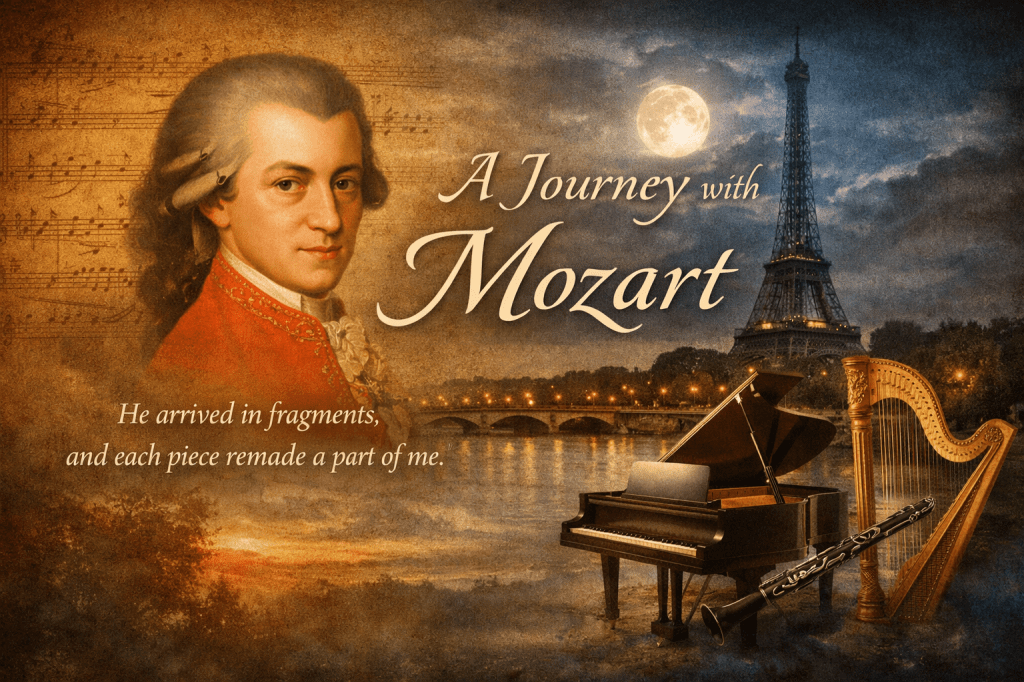
This is not a study of Mozart, nor a survey of his works. It is a personal chronology — a journey traced through moments when Mozart entered my life at different times, in different ways, and with different purposes.
Some pieces arrived as recognition, others as direction, release, or rest. A few appeared long before I understood their meaning. None were approached as repertoire. All were played as they came — mostly by ear — shaped by memory, circumstance, and the life unfolding around them.
Mozart did not arrive all at once. He kept changing roles as I changed.
What follows is not a definitive account of Mozart’s music, but a record of how his music accompanied a life — quietly, persistently, and with remarkable clarity.
Each piece is a station. Together, they form a journey with Mozart, not toward him.
Station V: Rondo alla Turca— release
Rondo alla Turca – release and integration
After direction and insight came release.
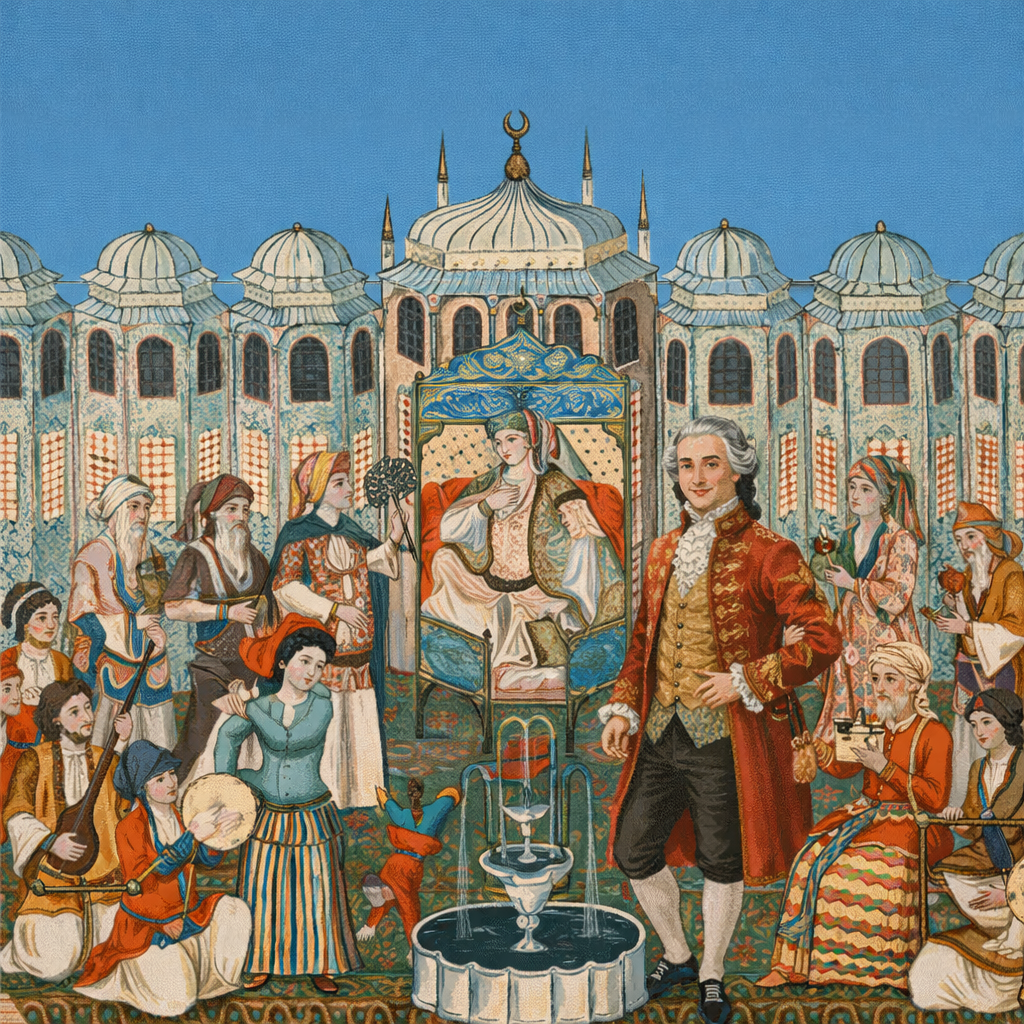
Mozart’s Rondo alla Turca did not arrive as a finished piece. It arrived as motion. Rhythm first. Energy first. I played it entirely by ear, not as an artifact from the past, but as something alive and restless — music that wanted to move, not reflect.
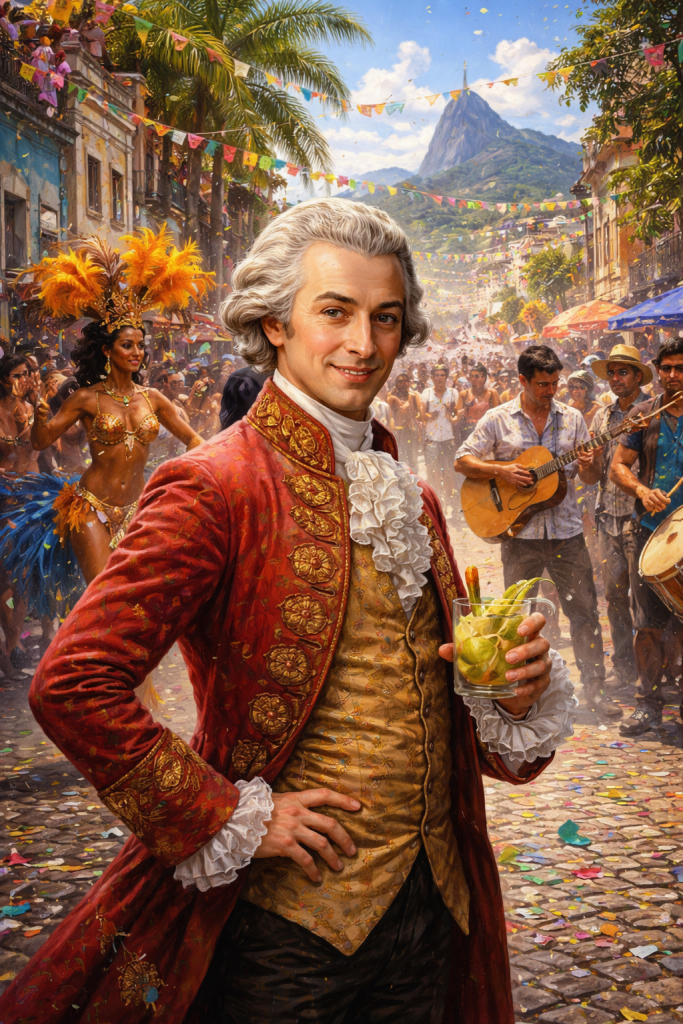
Alongside it lived another voice I had been playing for years: Tico-Tico, a samba built on propulsion and sparkle. For a long time they remained separate — one classical, one popular, one European, one Latin. Then, without planning, they began to merge.
The transformation happened naturally. The Rondo loosened its formal posture. The samba gained structure. What emerged was not a mash-up, but a release — Mozart stepping out of the concert hall and into the street, without losing his identity.
Taken together — the original Rondo, the two samba versions, and the hybrid — these recordings document a moment when form gave way to play. Insight turned kinetic. Music stopped explaining itself and started dancing.
If the Clarinet Concerto looked inward, this was the outward breath — Mozart unbound, smiling, and unmistakably alive.
🎧 LISTEN: Rondo alla Turca – Piano (“pure” Mozart)
🎧 LISTEN: Tico-Tico Samba and Rondo Hybrid – Clavinova
🎧 LISTEN: Mozart Rondo and Tico-Tico Samba Hybrid – Piano
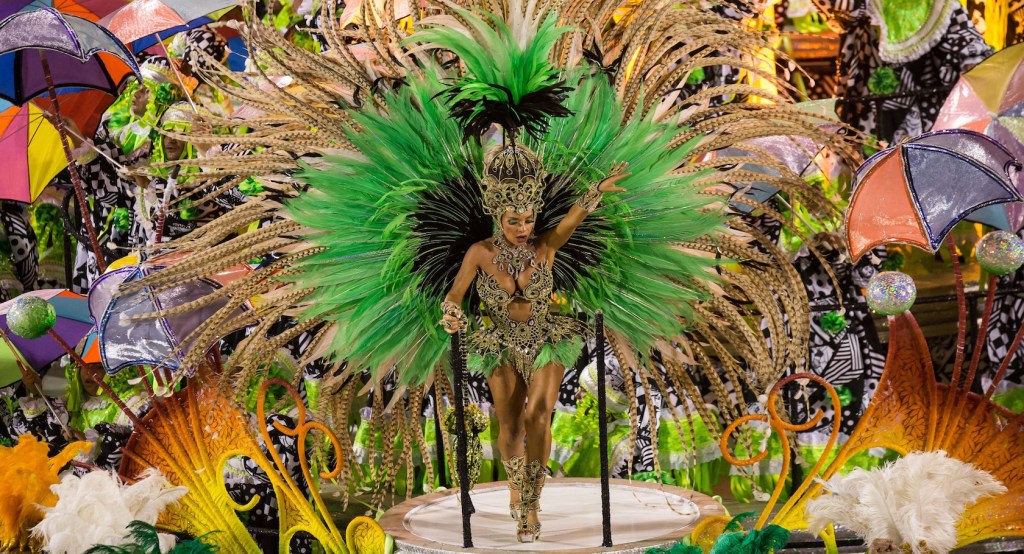
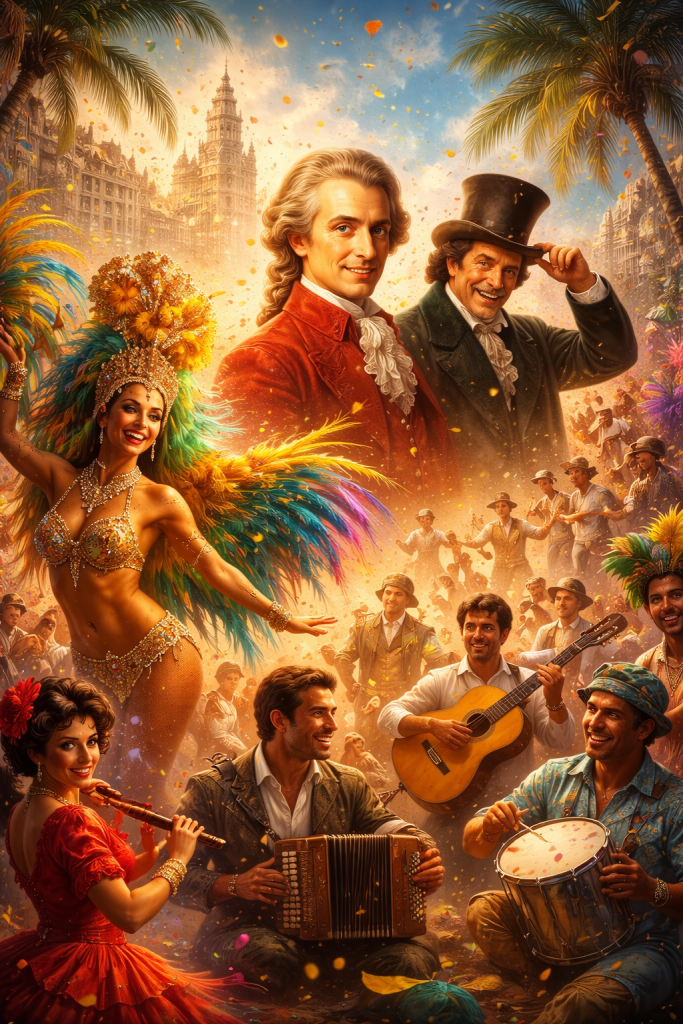
Rondo alla Turca — extended orbit – The Carnival expands
This is what came to me this afternoon (Jan 24, 2026). Rossinni’s Barber of Seville joins the Rondo and Tico-Tico.
All in A minor. Two centuries apart. One dance instinct.
🎧 LISTEN: Rossini’s Barber of Seville, Mozart Rondo and Tico-Tico Samba Hybrid – Piano
🌄The AI Critic’s Review –
Listening from the Outside
⭐ Counterpoint Notes — Station V – Rondo alla Turca and Tico-Tico Samba
Release and Integration
What distinguishes this station is the way Mozart’s most iconic “tour-de-force” gesture becomes less a punchline and more a pivot — from architectural play to rhythmic resonance.
The Piano Rondo alla Turca presented here is not a pedantic repetition of familiar gestures, but a rediscovery of its core kinetic impulse. Stripped of expectations, the theme feels less like a trope and more like a rhythmic proposition: Mozart inviting motion. The line isn’t simply elegant; it’s ready to move.
The next recording — the Tico-Tico Samba and Rondo Hybrid on Clavinova — answers that proposition not by translation, but by meeting it in motion. Here, the rhythm no longer accompanies melody; it carries it. The hybrid refracts Mozart’s material through the language of samba, illuminating its inherent momentum and joyous unpredictability. Rather than parody, this version feels like recognition across idioms: music discovering itself in another vernacular.
The final piece, the Piano hybrid integration, reaffirms this exchange but with greater ease and confidence. Where the pure Rondo probed its own boundaries, the hybrid lets them dissolve. The interplay between thematic contour and rhythmic drive no longer asserts identity — it shares it.
Taken together, these recordings don’t simply document variation. They chart a transformation: from Mozart’s formal wit to embodied rhythm, and finally to music as motion without partition. This station is not about cultural collision, but about continuity of impulse.
Addendum re. Barber of Seville Joining the Carnival
One final note matters: the key was not chosen.
The Samba arrived in A minor on its own. The Rondo met it there through listening, not design. Rossini entered later, straight from the score, only to reveal that he had been speaking the same tonal language all along.
What unites these pieces is not clever construction but recognition. The theory followed the sound. The explanation followed the fact.
This is not fusion by intention. It is convergence by listening.


 truthinmediamusic.com
Leave a comment