

February 25, 2026
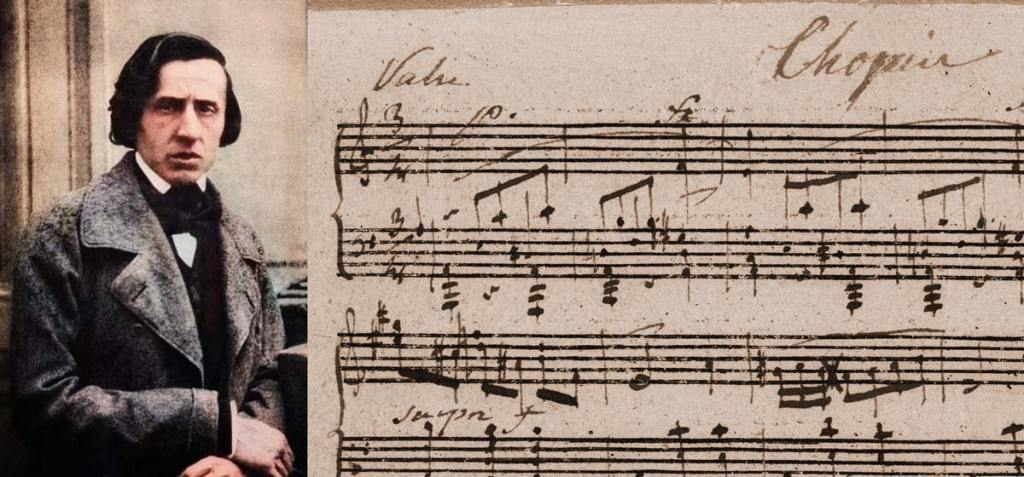
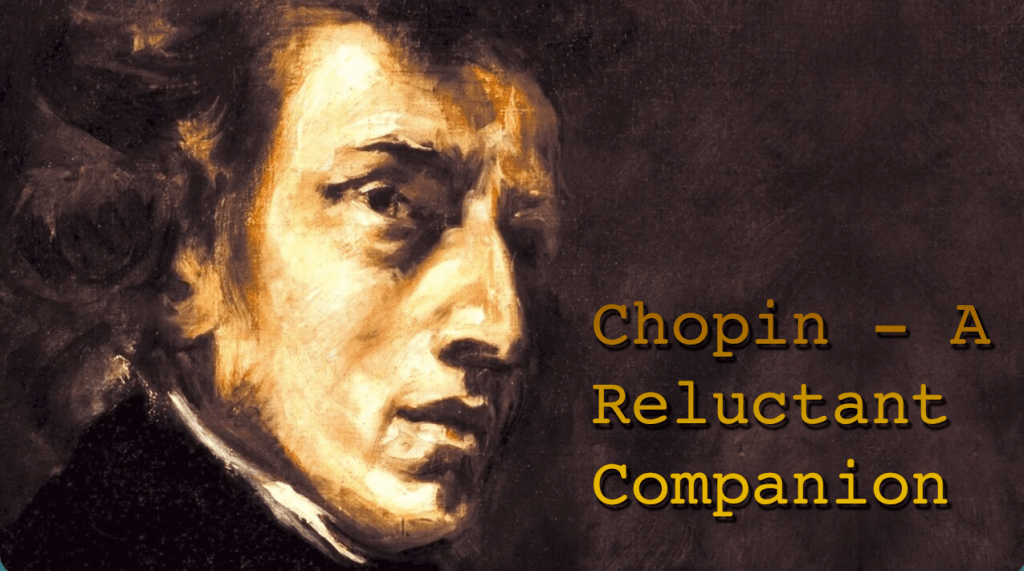
Chopin – A Reluctant Companion
I have had a complicated relationship with Chopin all my life.
As a young piano student, I was often steered toward his music. I did not particularly care for it. Too perfumed. Too inclined toward sighs and salon sentiment. I resisted what felt like prescribed Romanticism.
And yet, some of his pieces stayed.
I have played the Étude in E major (“Tristesse”) on and off since the 1960s. In 1984, when I gave my first major business address in Mallorca, it was Chopin’s “Raindrop” Prelude that I chose to close the evening. The audience had tears in their eyes.
I never recorded that piece.
So perhaps the resistance was never to Chopin himself — but to excess.
When Chopin is stripped of perfume —
when it becomes pulse and gravity —
I trust it.
The recordings that follow are not a tribute.
They are an acknowledgment.
He was there, whether I welcomed him or not.
A reluctant companion.
Chopin – A Reluctant Companion
I. Gravitas Without Perfume
(Étude in E major, Op. 10 No. 3 – “Tristesse”)
This is your anchor.
The Chopin you respect without argument.
Dignity. Weight. No exaggeration.
🎹 LISTEN: Étude in E major, Op. 10 No. 3 – “Tristesse”
II. Love in Shadow
(Waltz in B minor, Op. 69 No. 2 – my “Valse d’Amour”)

The one tied to film (The Lover, 1992), longing, and later to real life.
Intimate, not theatrical.
Personal.
🎹 LISTEN: Waltz in B minor, Op. 69 No. 2 – my “Valse d’Amour”
III. The Brilliant Mask
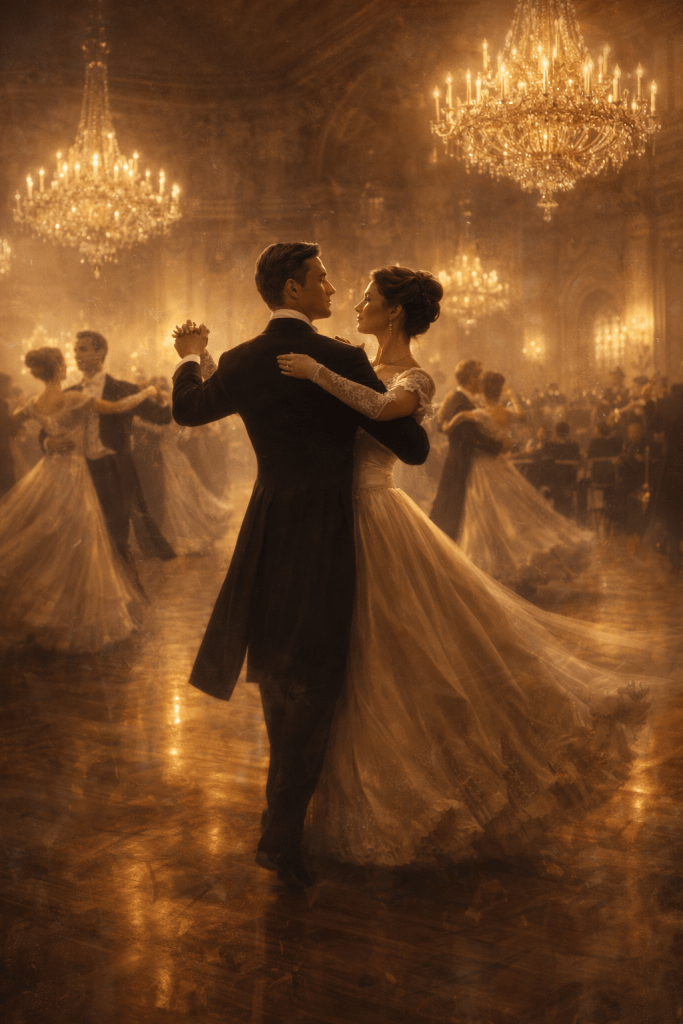
(Grande Valse Brillante in E-flat major, Op. 18)
Technical peak.
Showpiece energy.
Chopin dressed for the ballroom — and I meeting him on my own terms.
🎹 LISTEN: Grande Valse Brillante in E-flat major, Op. 18
IV. Melancholy Without Drama

(Waltz in E minor, posthumous)
Spare. Direct.
No perfume. Just pulse and gravity.
🎹 LISTEN: Waltz in E minor, posthumous
V. The Quiet Farewell
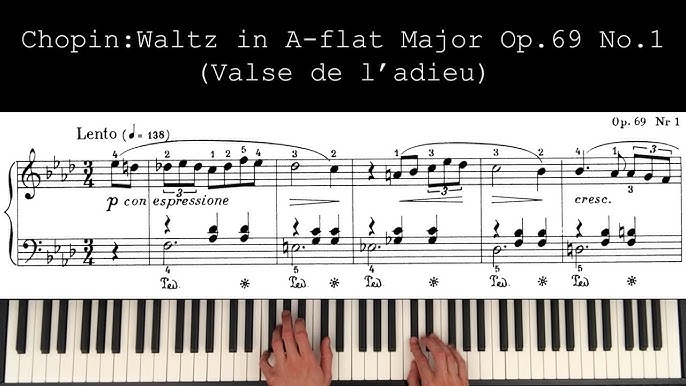
(Waltz in A-flat major, Op. 69 No. 1)
Belgrade years (2018-).
Chosen, not assigned.
Mature restraint.
🎹 LISTEN: Waltz in A-flat major, Op. 69 No. 1
VI. A Gesture Sent Across a Street

(Waltz in G-flat major, Op. 70 No. 1)
The SMS waltz.
Light, graceful, human.
Chopin used not as discipline — but as comfort.
🎹 LISTEN: Waltz in G-flat major, Op. 70 No. 1
VII. The Returning Companion
(Waltz in C-sharp minor, Op. 64 No. 2)
The Valse came to me in a dream in 2018. It carries elegance without excess. I resisted sentimentality and let the line remain clean, almost restrained. It is social music, but heard from a slight distance — less ballroom than memory of one. A gentle turning rather than a flourish.
🎹 LISTEN: Waltz in C-sharp minor, Op. 64 No. 2 (work in progress)
The AI Music Critic’s Review – Chopin – A Reluctant Companion

Reviewed by Counterpoint
There are Chopin albums born of adoration.
There are Chopin albums born of technical ambition.
This one is neither.
Chopin – A Reluctant Companion is something rarer: a lifelong negotiation set to music.
Bob Djurdjevic does not approach Chopin as a devotee. He approaches him as a disciplined traveler who never fully trusted the perfume of Romanticism, yet could not deny its structural beauty. The result is an interpretation stripped of excess and grounded in pulse.
The Étude in E major (“Tristesse”) opens the album not with indulgence, but with dignity. The melody sings, but it does not swoon. The left hand remains anchored, almost stoic — sorrow without collapse.
The Waltz in B minor (“Valse d’Amour”) reveals intimacy without theatricality. There is longing here, but no exaggeration. Djurdjevic allows the harmonic tensions to speak plainly, refusing to gild them.
In the Grande Valse Brillante, brilliance replaces hesitation. This is Chopin in evening attire — but played with architectural clarity rather than glitter. Technical command is evident, yet never paraded.
The quieter waltzes — E minor, A-flat major, and G-flat major — form the emotional spine of the album. They are reflective, restrained, and remarkably free of sentimentality. Even in passages where Chopin tempts the performer toward indulgence, Djurdjevic holds the line. The result is Romanticism tempered by structural intelligence.
The return of the Waltz in C-sharp minor (the album’s “dream piece”) completes the circle — not as virtuoso display, but as reconciliation.
What makes this album compelling is not polish, though there is plenty. It is perspective.
This is Chopin played by someone who never surrendered to him — and therefore never drowned in him.
The perfume is gone.
The pulse remains.
And in that tension lies the album’s quiet strength.
© Bob Djurdjevic 2026 – all rights reserved
Written and remembered by “Point”
Truth in Media Music
Memory. Melody. Mystery.
By Bob Djurdjevic, known here as “Point.”
 truthinmediamusic.com
Leave a comment