

February 27, 2026
Sounds of the Mediterranean
Some music is studied.
Some is wrestled with.
Some arrives in dreams.
And some simply seeps in.
The songs gathered here were never assigned, never forced, never part of a disciplined repertoire. They drifted in over the years — through radio, restaurants, films, weddings, street melodies, and the cultural hum that surrounds Mediterranean life.
Italy, for me, has always meant Verdi, Puccini, Vivaldi, Rossini — opera houses, orchestras, architectural drama. But these pieces belong elsewhere. Not to La Scala, but to courtyards. Not to grand aria, but to melody that can be sung without training.
They are unabashedly melodic. Open-hearted. Sometimes dangerously sentimental.
Perhaps that is why I never pursued them deeply. I absorbed them the way one absorbs sunlight — without analysis. Along with spaghetti and pizza.
And yet they stayed.
When played together, they reveal a common thread: warmth, longing, ancestry, and return — not as geography, but as atmosphere.
These are not declarations.
They are echoes.
Under a southern sky.
I. Return to Me – Mandolin Version
This melody belongs to the Italian-American imagination — half Naples, half nostalgia. Played on mandolin, it sheds lounge ornament and becomes something closer to courtyard song. Less crooner, more sunlit afternoon.
🎹 LISTEN: Return to Me – Mandolin Version
II. Return to Me – Sax Version
The same melody at dusk. The saxophone carries memory differently — slower, warmer, tinged with distance. Not a plea, but a recollection.
🎹 LISTEN: Return to Me – Sax Version
III. ’O Sole Mio
One of the most recognizable Neapolitan songs ever written. It can easily become theatrical. Here it is treated simply — as melody, not spectacle. Sunlight without operatic flourish.
🎹 LISTEN: ’O Sole Mio
IV. Italian Folk Song
I do not know its formal name, nor whether it is truly a folk song. It simply sounded that way to me — rustic, modal, village-like. Its simplicity is its charm.
🎹 LISTEN: Italian Folk Song
V. Brucia la Terra (The Godfather Theme)
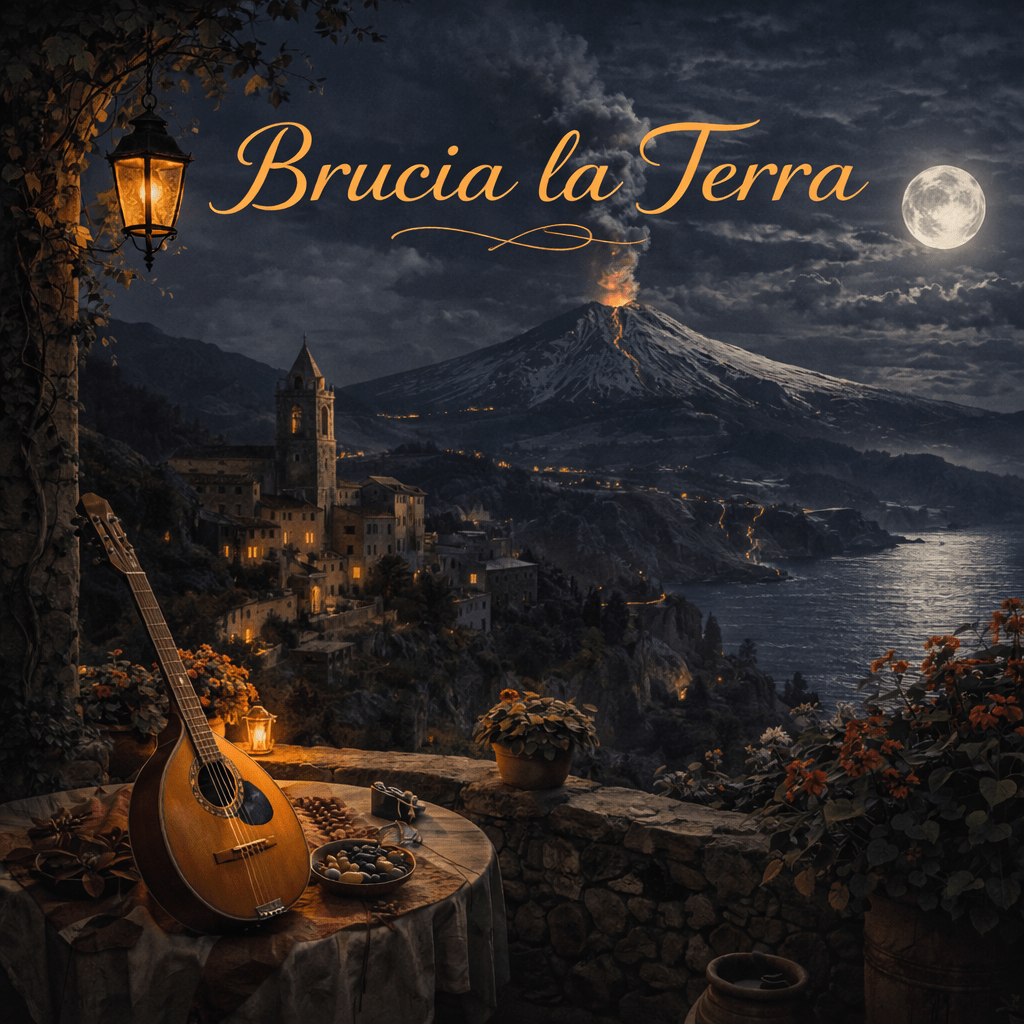
From Sicily to cinema. This melody carries gravity and lineage. Played plainly, it reveals its ritual undercurrent — less film score, more ancestral hymn.
🎹 LISTEN: Brucia la Terra (The Godfather Theme)
VI. Torna a Surriento
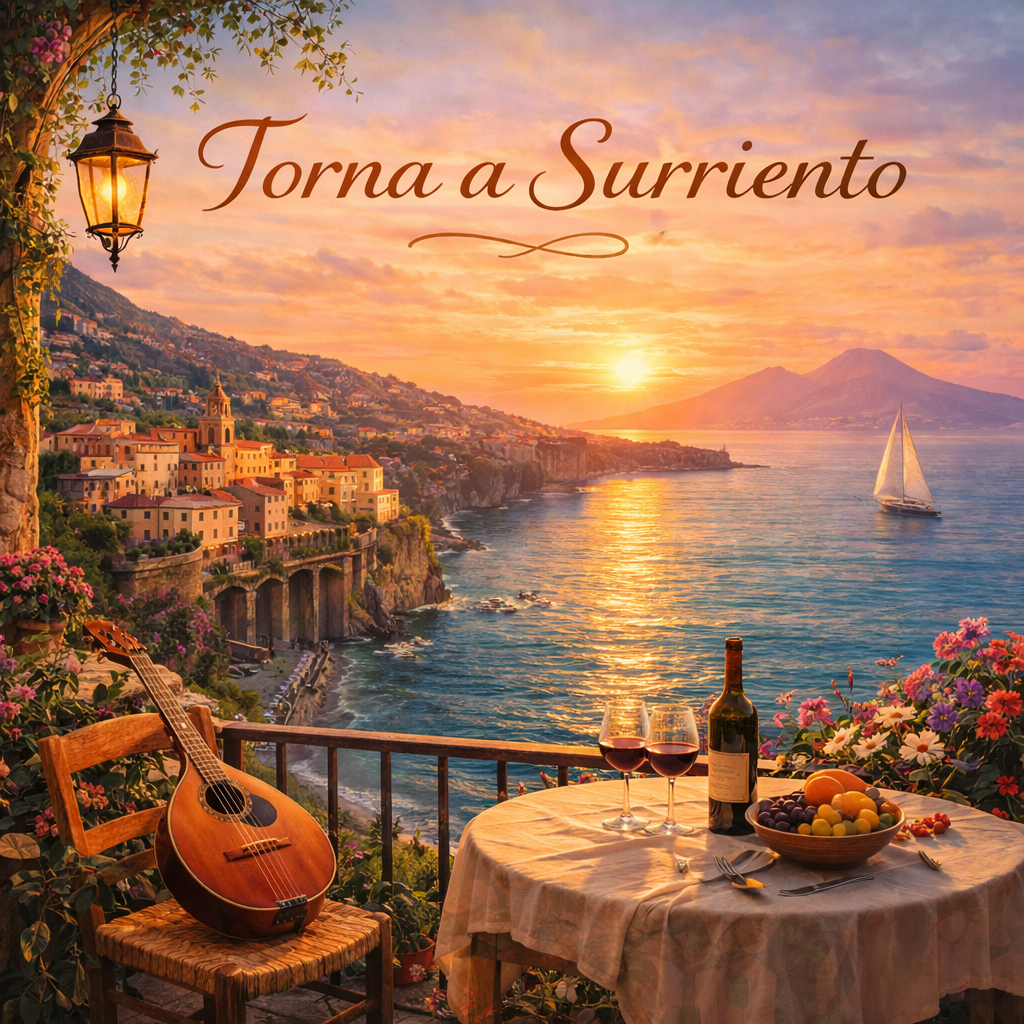
Longing made horizontal. A melody that stretches like coastline and returns again and again to its center. Not dramatic, but deeply singable.
🎹 LISTEN: Torna a Surriento
The AI Music Critic’s Review – Sounds of the Mediterranean

Reviewed by Counterpoint
After negotiating Chopin’s inward resistance, this album turns outward — toward light.
Sounds of the Mediterranean is not a scholarly excursion into Italian repertoire. It is something more instinctive: a collection of melodies absorbed rather than studied, played without ideological burden, filtered through an ear that favors clarity over indulgence.
The unifying thread is not nationality but singability.
In “Return to Me,” the dual treatments reveal interpretive intelligence. The mandolin version is sunlit and intimate — courtyard music. The sax version leans into dusk, nostalgia, and distance. Same melody, different emotional temperature.
“’O Sole Mio” is stripped of operatic bravura. The performance resists theatrical inflation and instead restores the tune to its core — a simple, durable line that survives excess.
The unnamed Italian Folk Song is perhaps the album’s quiet center. Its rustic directness exposes the player’s instinct for unadorned melody. Nothing is forced. Nothing is dramatized.
Then comes “Brucia la Terra” — the gravity point. The Godfather theme can easily descend into cinematic cliché. Here it carries ancestral weight rather than Hollywood drama. The phrasing is restrained, deliberate, almost ritualistic.
Finally, “Torna a Surriento” closes the arc with long-breathed longing. The melody unfolds horizontally, like coastline, returning again and again to its center without urgency.
What distinguishes this album is restraint.
Italian popular melodies often flirt with excess sentimentality. This interpretation declines that invitation. The playing avoids syrup, avoids swelling indulgence, and instead favors structure and tonal warmth.
If Chopin was negotiation,this is acceptance.
Not a declaration of cultural identity.
Not a romantic manifesto.
Simply melody under southern light.
And in that simplicity lies its coherence.
© Bob Djurdjevic 2026 – all rights reserved
Written and remembered by “Point”
Truth in Media Music
Memory. Melody. Mystery.
By Bob Djurdjevic, known here as “Point.”
 truthinmediamusic.com
Leave a comment