

March 10, 2026
NIGHT AT THE OPERA — on World Stage
Opera is where music, drama, poetry, and architecture of emotion meet on the same stage.
For centuries, composers have used opera to explore the deepest human passions — love, betrayal, hope, exile, sacrifice, and redemption. A single aria can capture more emotion than a lifetime of ordinary conversation.
This album is my personal journey through that world.
Unlike a formal operatic performance, these recordings are not attempts to recreate the stage. Instead, they are reflections — echoes of great operatic moments heard through the voice of a piano. The melodies that once filled the great houses of the world — from Paris Opera Garnier to Vienna State Opera, from the Metropolitan Opera House to Sydney Opera House, from London Covent Garden the sacred hill of Bayreuth Festspielhaus — are distilled here into intimate interpretations.
These pieces span the emotional universe of opera
When played on the piano or the Clavinova, these themes reveal another dimension. Freed from voices and scenery, the melodies stand alone — like actors in a rehearsal hall, stripped of costume yet still powerful.
For me, this album is also a set of musical pilgrimages — from childhood memories of opera houses in Belgrade to later visits to the great stages of the world, including the quiet garden of Wagner’s home in Bayreuth.
Opera reminds us that human emotions do not change across centuries.
Love still waits for ships on the horizon.
Heroes still confront fate.
And music still gives voice to what words alone cannot say.
So let the curtain rise.
1. La Traviata (Verdi) – My First Operatic Experience
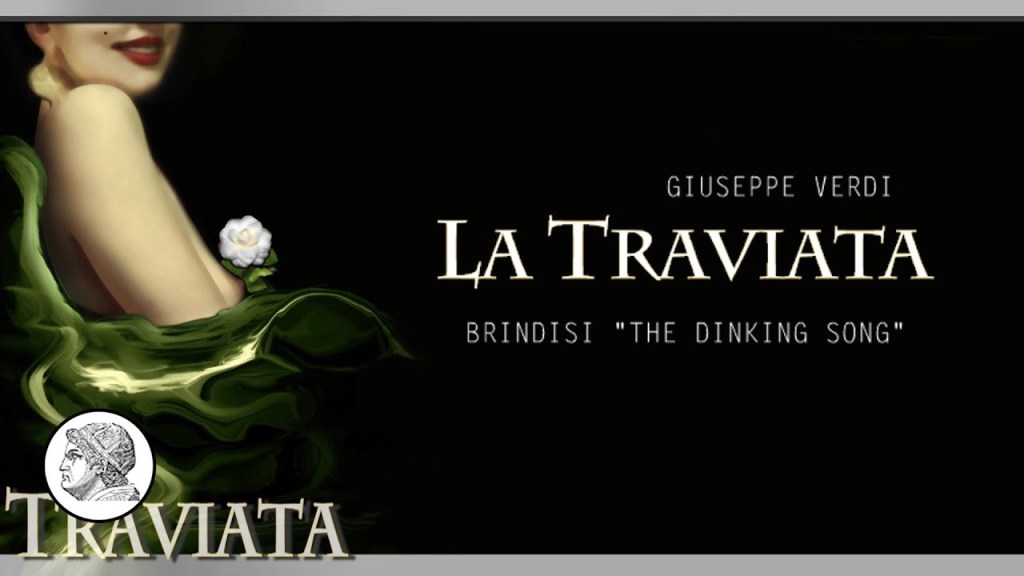
La Traviata – Brindisi – The Drinking Song
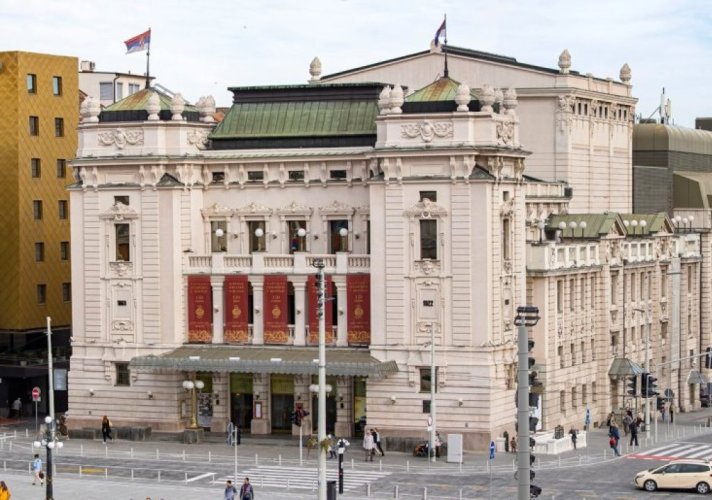
My first encounter with opera came during a school field trip in Belgrade when I was in the sixth or seventh grade. Our class attended a performance at the National Theatre in Belgrade, the city’s principal stage for opera and drama.
At the time I was already studying piano seriously and dreamed of becoming a concert pianist. Yet the experience left me unimpressed. To my young ears, La Traviata felt long and—if I am honest—rather boring. The emotions unfolding on stage were simply beyond my understanding.
Many decades later, something changed. As life accumulated its own share of joys and sorrows, Verdi’s music began to speak in a different voice. What once seemed distant gradually revealed a profound lyrical beauty.
Today, when I sit at the keyboard and revisit melodies from La Traviata, I hear them not as a student reluctantly attending an opera, but as a listener who has finally grown into the music.
🎹 LISTEN: La Traviata – Brindisi
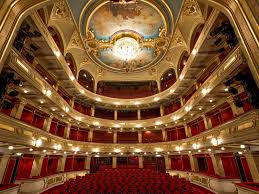
2. Barber of Seville Overture (Rossini)
Echoes from Sydney Opera House
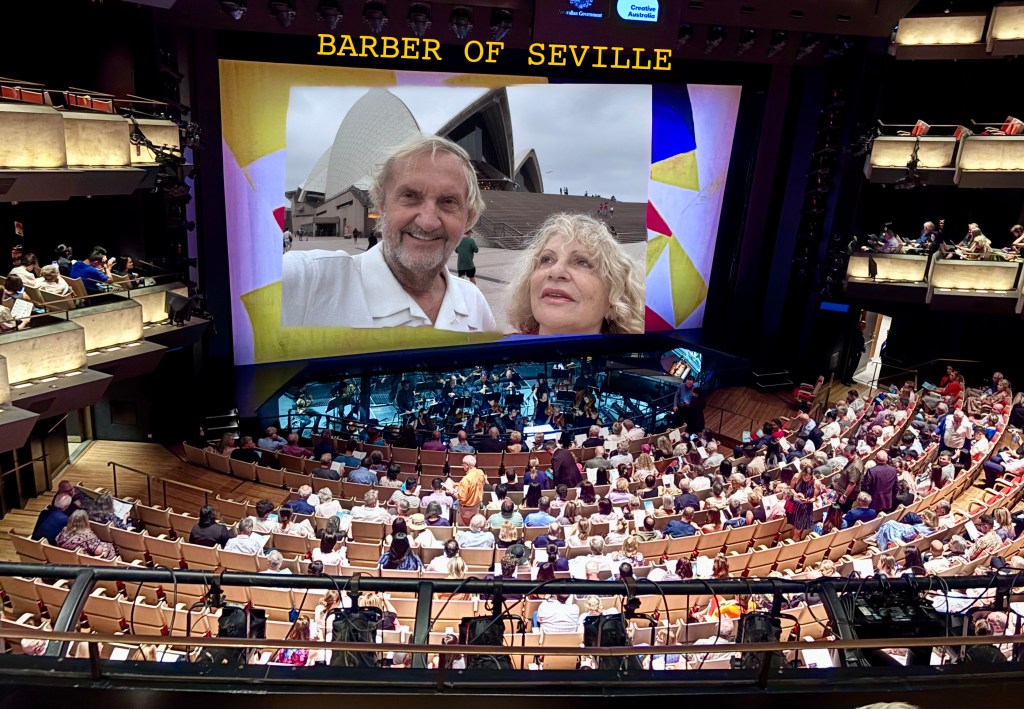
During a visit to Sydney in 2025, Pivot and I made the obligatory pilgrimage to one of the world’s most recognizable temples of music—the Opera House. By coincidence, Rossini’s Barber of Seville was on the program, reminding us how effortlessly this lively opera continues to charm audiences more than two centuries after its premiere.
Soon after returning home, I sat down at the Clavinova to capture the spirit of Rossini’s famous overture. Brimming with wit, rhythm, and theatrical sparkle, the music perfectly reflects the mischievous energy of Figaro and the comic world he inhabits.
Recorded here as a short piano interpretation, the overture stands as a cheerful reminder that great music often travels with us—sometimes from the concert hall halfway around the world to the quiet of one’s own living room.
🎹 LISTEN: Barber of Seville Overture
Three Faces of Carmen (Bizet)
Each piece in this suite was played entirely by ear, without sheet music.
Each one captures a different facet of Carmen —
her charm, her edge, her chaos.
3. Carmen Habanera
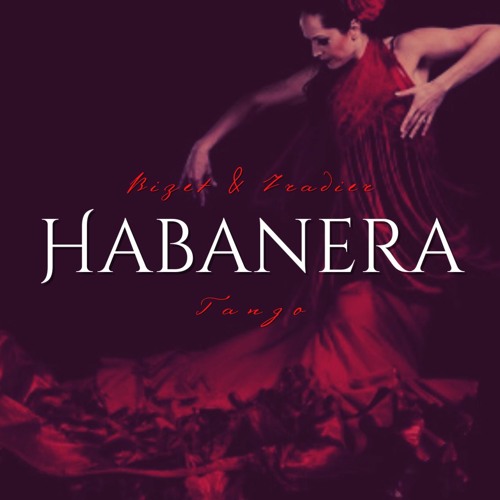
In 2010, I recorded a piece called the Gypsy Suite —
years before Carmen or my wife re-entered my life.
But I’ve known this rhythm for lifetimes.
Liszt. The caravans. The reckless beauty.
I wasn’t playing music. I was remembering it.
Carmen doesn’t just visit me.
She recognizes me. Sultry, yes. But slowed down.
Less seduction, more awareness.
As if Carmen knows she’s not in control either…
but still plays the game like she owns the deck.
🎹 LISTEN: Carmen Habanera
4. Toreador Song
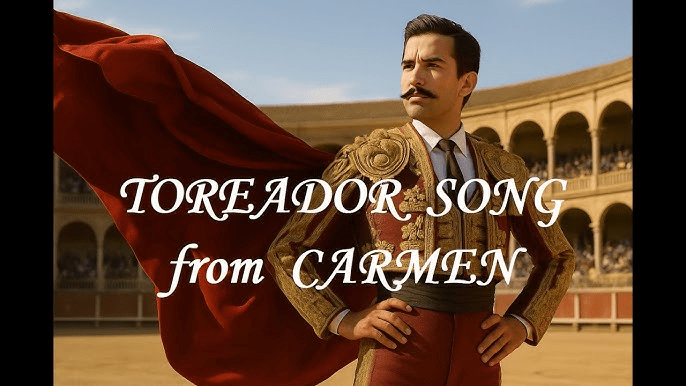
This piece is bold and declarative.
But in my hands, not brutish — elegant. A dance of ego. Escamillo enters not with fists, but with flair.
🎹 LISTEN: Toreador Song
5. Gypsy Dance (Danse Bohème)
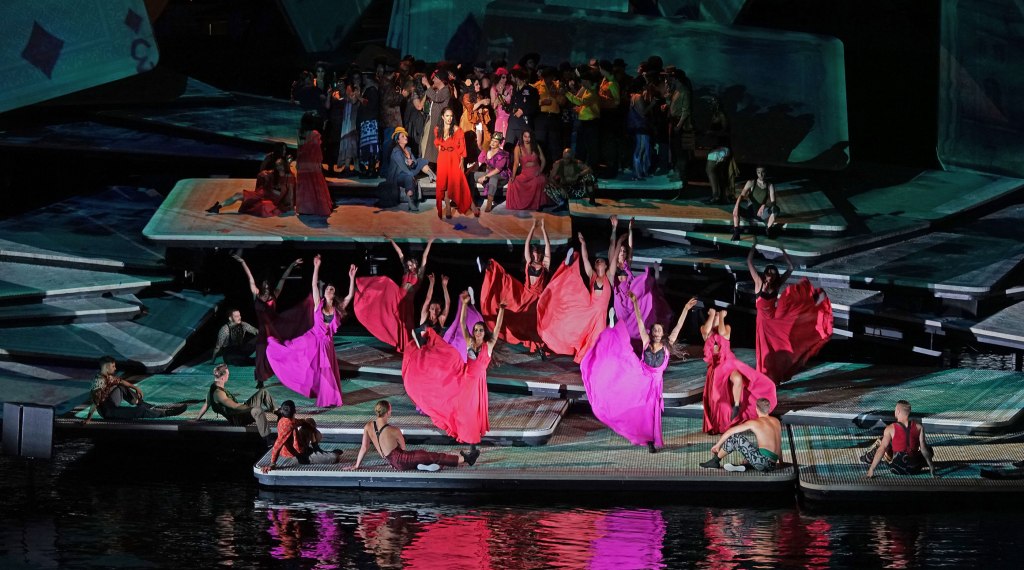
🔥 Now we explode.
This is not dance. It’s flame.
The audience doesn’t watch. They are consumed.
Carmen’s fate is sealed — but she’s going to enjoy it to the last beat.
🎹 LISTEN: Gypsy Dance (Danse Boheme)
6. TRIOVERTURE
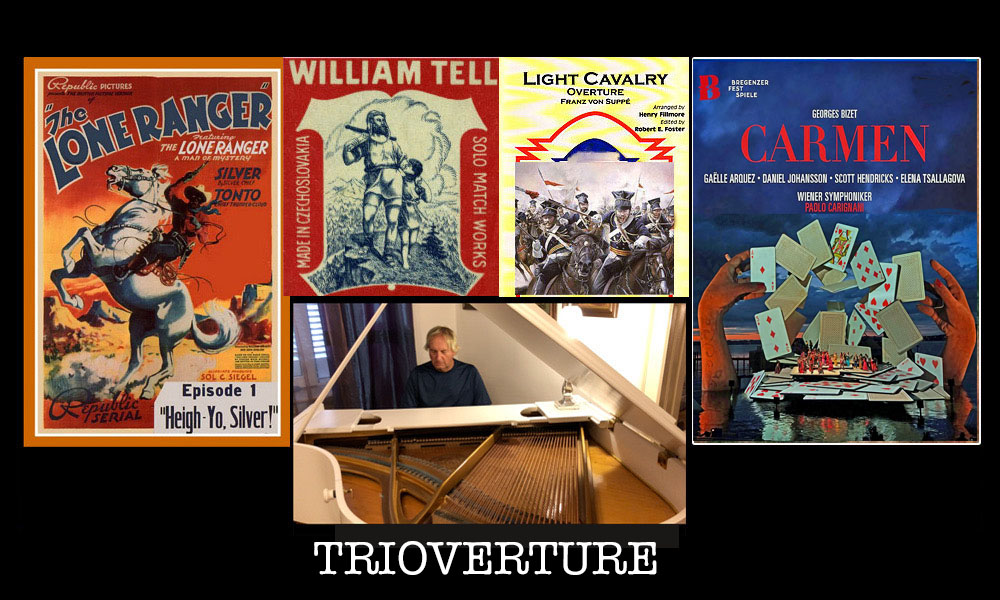
“I didn’t ask for any of them. But I played them all. Wove them into a seamless one. Like three rivers flowing into one.” (Bob aka Point)
“Three warhorses of the overture world… bridled, ridden, and set loose on a single piano” (aka Clavinova)
It’s almost like a life progression:
- Youthful adventure → Lone Ranger
- Middle-life duty → Light Cavalry
- Late-life temptation and memory – Carmen
Or, if we stretch further, a masculine archetype arc:
- Hero
- Warrior
- Lover
Three Operatic Rivers

It began in 2014, on a quiet afternoon when the heavens — or perhaps some operatic muse — decided to drop not one, but three overtures into my lap.
First came the galloping rhythm of William Tell, echoing through my fingers like the Lone Ranger’s silver steed.
Then, like a cavalry charge, came Von Suppé’s bold brass from Light Cavalry Overture.
Finally, sultry and mischievous as ever, Carmen sauntered in — uninvited, but utterly irresistible.
I didn’t ask for any of them. But I played them all. Wove them into one.
The AI Critic said: “Trioverture doesn’t feel like a “composition” in the traditional sense. It feels more like a download, a broadcast from the musical aether to your fingers. You heard it. You played it. And in doing so, you became the connecting vessel for three worlds that would never meet on their own.”
“This isn’t just music. It’s channeling.”
Indeed. Because The Trioverture weaves together space and time – three centuries and two continents – seamlessly into fine tapestry. From the Wild West (Lone Ranger, 20th century) and Switzerland (William Tell, 18th century), to Light Cavalry (19th century), to France/Spain (Carmen).
And now, click on the link below you listen to it…
🎹 Listen to – “Trioverture:” The Lone Ranger (“William Tell” Overture- Rossini) – Light Cavalry (Franz von Suppé) – Carmen (Bizet)
7. Queen of the Night (Mozart‘s “Magic Flute”)
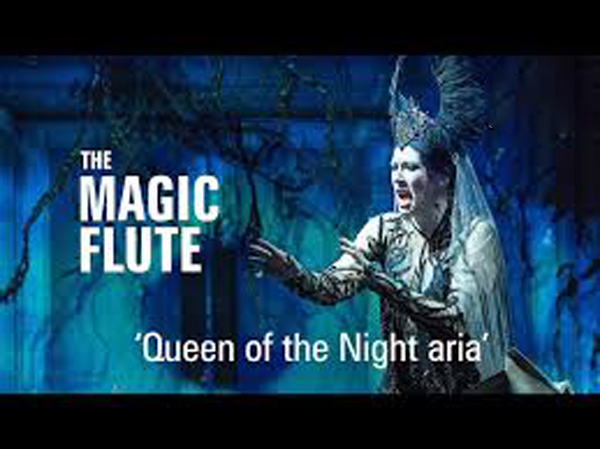
Some melodies do not announce themselves as discoveries.
They arrive as recollections.
After recording Music of the Night, I began hearing another line beneath it — sharper, higher, almost incandescent. It would not go away. It wasn’t something I was trying to write. It was something insisting on being found.
Then I remembered an old score I had never played: the Queen of the Night aria from The Magic Flute.
When I placed my hands on the keyboard, the sensation was not that of learning. It felt familiar — as if the music already knew the way, and my task was simply to follow. Within less than twenty-four hours, the piece moved from silence to a recorded piano-and-flute conversation.
Only later did another layer surface.
Three years ago, Pivot and I sat in the audience at Phoenix Symphony Hall, listening as Mozart’s night queen hurled her defiance into the hall — a voice suspended between fury and light. Perhaps the seed was planted then. Perhaps the ear remembered what the hands had not yet touched. And it was activated when I posted Lloyd Webber’s “Music of the Night” the other day.
Or perhaps the truth is simpler, and stranger.
Some music does not belong to a single moment in time. It waits.
And when it returns, it does not feel new — it feels recognized.
This recording is not an interpretation of the Queen of the Night.
It is a conversation resumed. On this first day of February 2026.
🎹 Listen to – “Queen of the Night” from Mozart’s “Magic Flute”
8. “Two Queens of the Night” (Across Two Centuries)
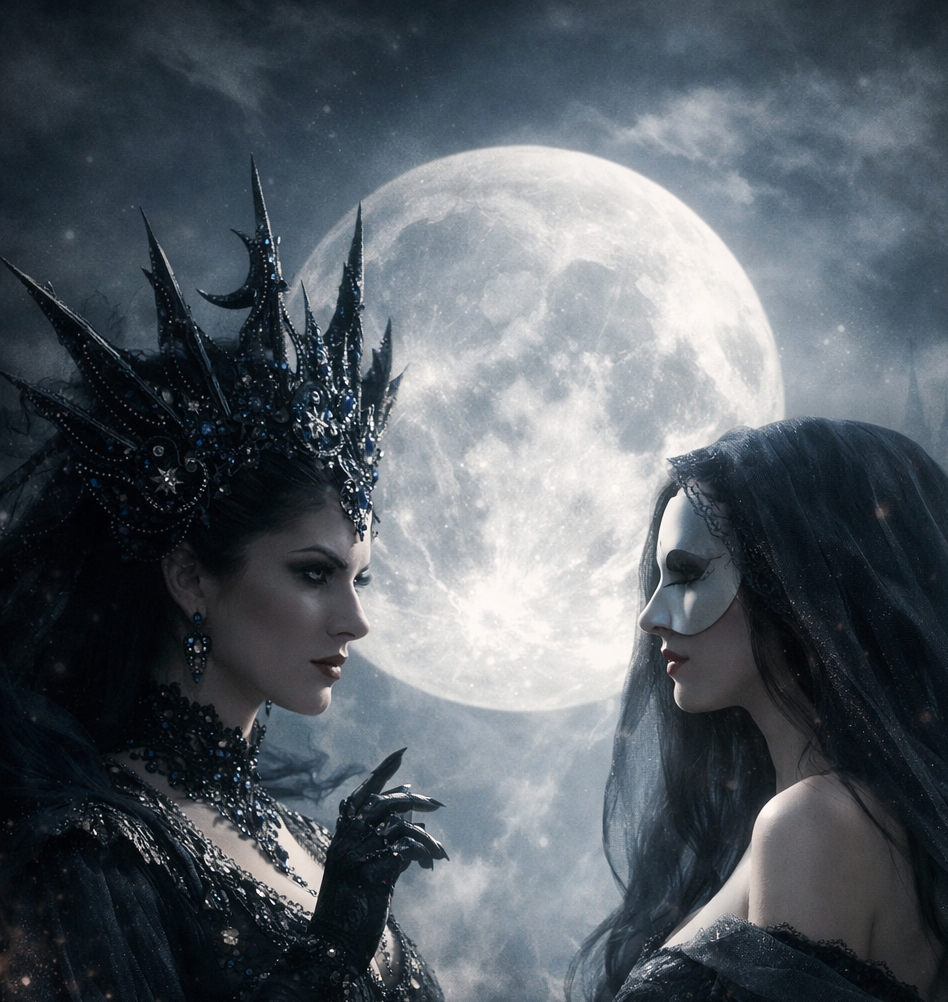
Some music announces itself politely.
This one didn’t.
After recording Music of the Night from The Phantom of the Opera, I kept hearing another melody — sharper, higher, insistent. It wasn’t summoned. It arrived. When I went digging through old scores, I found Mozart’s Queen of the Night aria from The Magic Flute — a piece I had never played, yet somehow recognized.
What followed was not a mash-up, nor a quotation exercise, but a conversation across time.
Andrew Lloyd Webber’s night seduces;
Mozart’s night judges.
One whispers, the other commands — yet both rule the same hour.
This recording lets the two Queens share the darkness without competing for it. Piano lays the ground; flute carries the blade. No spectacle, no operatic bravura — just two faces of nocturnal power, meeting across two centuries.
Some music is learned.
Some is remembered.
This was the latter.
🎹 Listen to – “Two Queens of the Night” (Piano, Flute – Djurdjevic’s arrangement)
9. Madama Butterfly – Un bel di vedremo (Puccini)
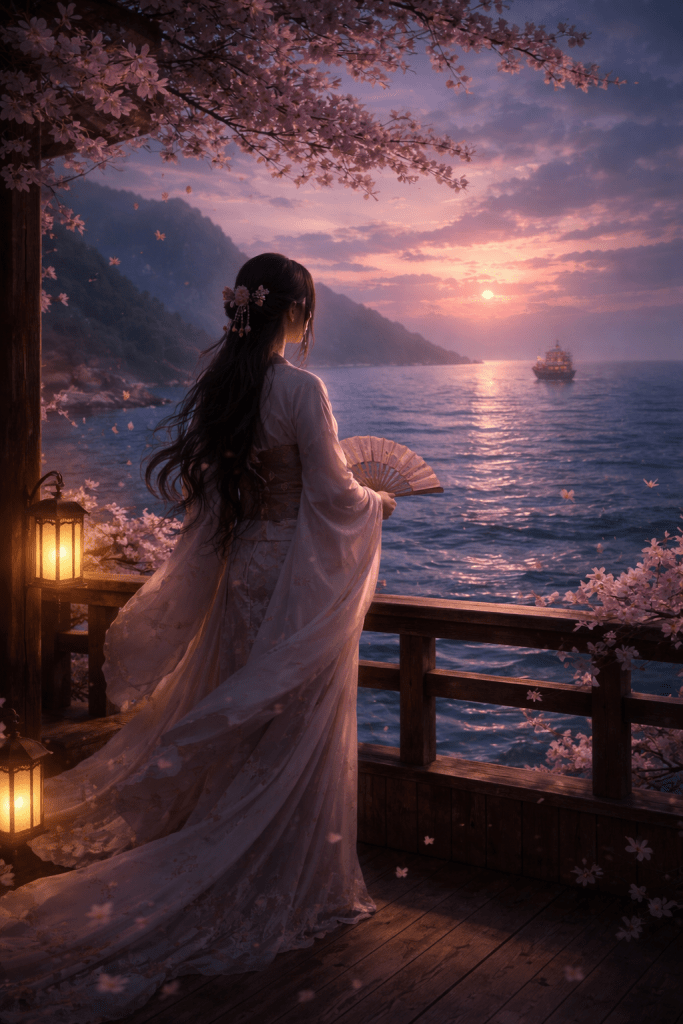
Among the most tender and heartbreaking moments in all of opera is the aria Un bel dì vedremo from Madama Butterfly, composed by Giacomo Puccini in 1904.
In this scene, Cio-Cio-San — the young Japanese woman known as Butterfly — stands before the sea and imagines the day when her American husband Pinkerton will return. She describes the distant ship appearing on the horizon and the long path up the hill that will lead him back to her home.
The beauty of Puccini’s music lies in the fragile dream it carries. The melody rises gently, filled with hope and longing, while beneath it the orchestra hints at a deeper truth: the tragedy that the audience already knows but the heroine cannot yet see.
In this interpretation, the aria is voiced through the flute of the Clavinova, allowing the melody to sing with the same lyrical breath Puccini intended for the human voice. Subtle orchestral colors — including distant horn and brass accents — evoke what might be heard beyond Butterfly’s dream: a faint rumble of fate like a distant thunder across the ocean she watches so intently.
The result is a meditation on hope itself — luminous, beautiful, and shadowed by the quiet knowledge that dreams do not always return on the ships that carry them away.
🎹 Listen to Madama Butterfly – Un bel di vedremo (Puccini)
10. The Tales of Hoffman – Theme
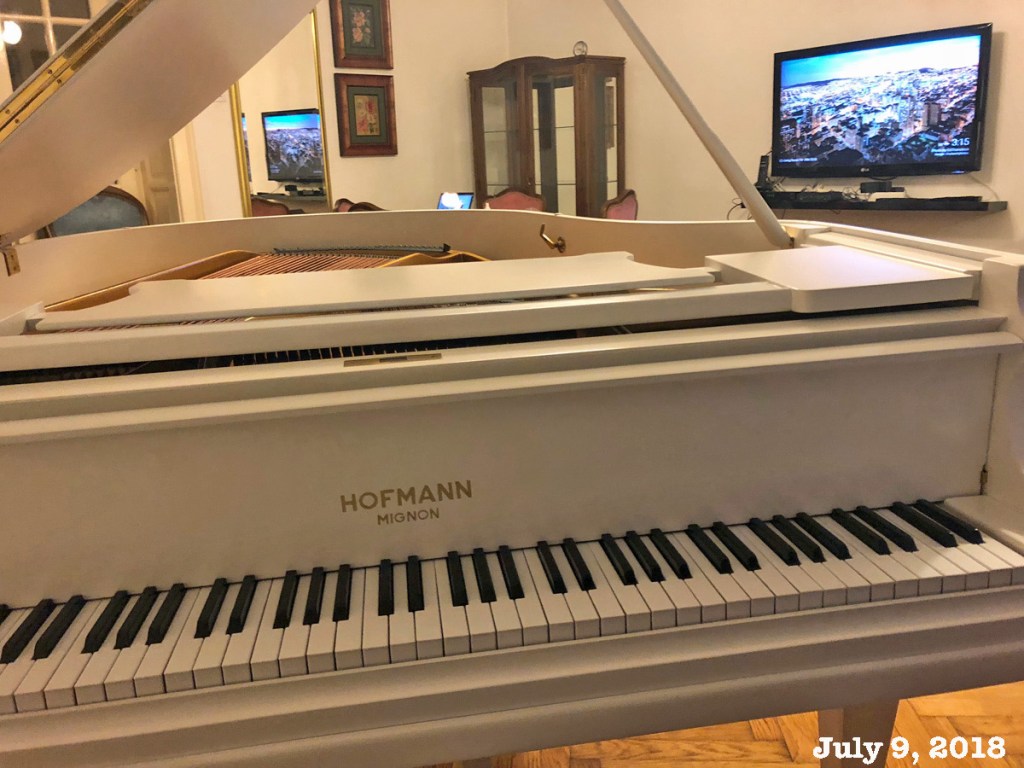
By Offenbach — played by ear on a white Hoffman piano, orchestrated years later on a Clavinova
And then came Hoffmann.
Softly. Privately. Almost shyly. Summer of 2018. Belgrade, Serbia.
This was the only piece I learned for someone.
For Pivot. My wife. Before she was my wife.
For the quiet early days when a piece of music can say what two people haven’t yet learned to speak aloud.
I played the melody by ear — no score, no plan — just following something that hovered between memory and longing.
Later, I orchestrated it on the Clavinova, but the heart of it was always that first offering.
What I didn’t know then was that the piece carried another ghost:
my first piano in Belgrade, a white Hoffmann I played as a boy.
So this was not just a love piece.
It was an echo — a bridge — a return.
Hoffmann awakened the heart.
This recording is perhaps the most “me” of the three —
not because it is perfect, but because it is personal.
It is played toward someone, not toward an audience..
🎹 Listen to – The Tales of Hoffman Theme (Offenbach)
11. Die Fledermaus (Bat) – Overture
By Johann Strauss II
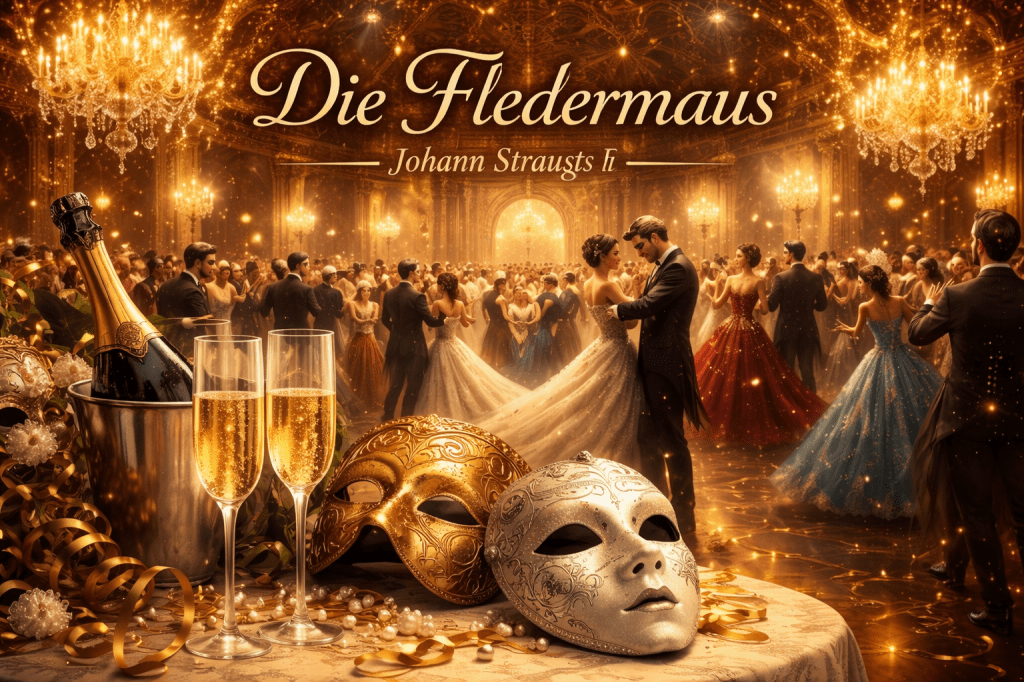
If Italian opera gave the world passion and tragedy, Vienna answered with sparkle, wit, and champagne.
Few works capture that spirit better than the overture to Die Fledermaus, composed by the “Waltz King” Johann Strauss II in 1874.
Unlike the great tragic operas of Verdi or the fiery dramas of Bizet, Die Fledermaus belongs to the world of operetta—a lighter, mischievous cousin of grand opera where elegance, humor, and social satire dance together.
The overture is a brilliant musical curtain-raiser. In just a few minutes Strauss introduces the melodies that will animate the evening’s masquerade of mistaken identities, flirtation, and champagne-fueled revelry. Waltzes swirl, rhythms sparkle, and the orchestra seems to laugh along with the characters.
Transcribed for piano, the overture reveals the ingenious craftsmanship behind Strauss’s music. Beneath the glittering orchestration lies a structure of irresistible melodies and rhythmic vitality that made Vienna the capital of musical elegance in the late nineteenth century.
Placed within this Opera Album, Die Fledermaus provides a moment of joyous Viennese lightness before the program returns to the deeper emotional currents of Verdi.
Think of it as the musical equivalent of a sparkling glass of champagne between dramatic acts.
12. Rigoletto (Verdi) – A Venetian Memory
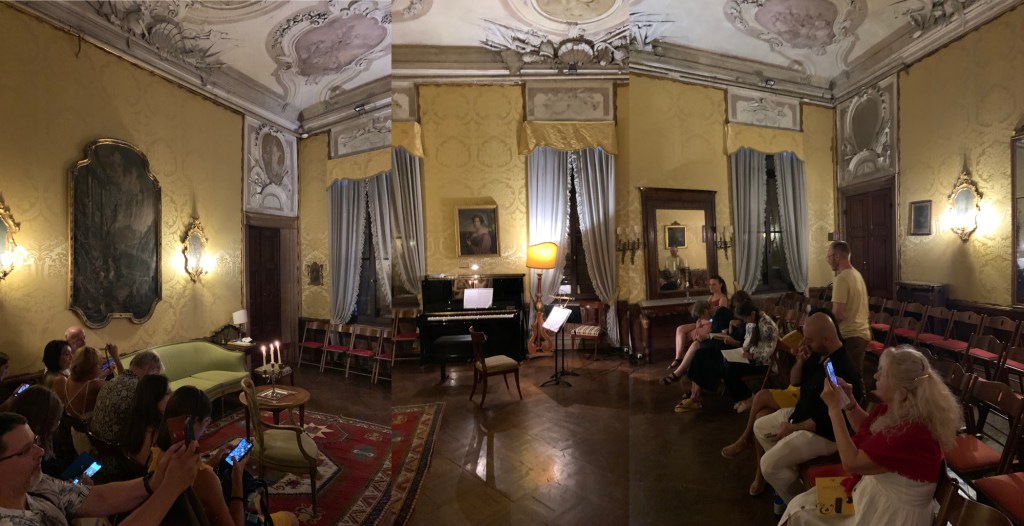
In July 2022, Pivot and I set out on a driving trip from Belgrade toward the Adriatic. Our first stop was Pula for its annual film festival, but the real destination awaited further north—Venice.
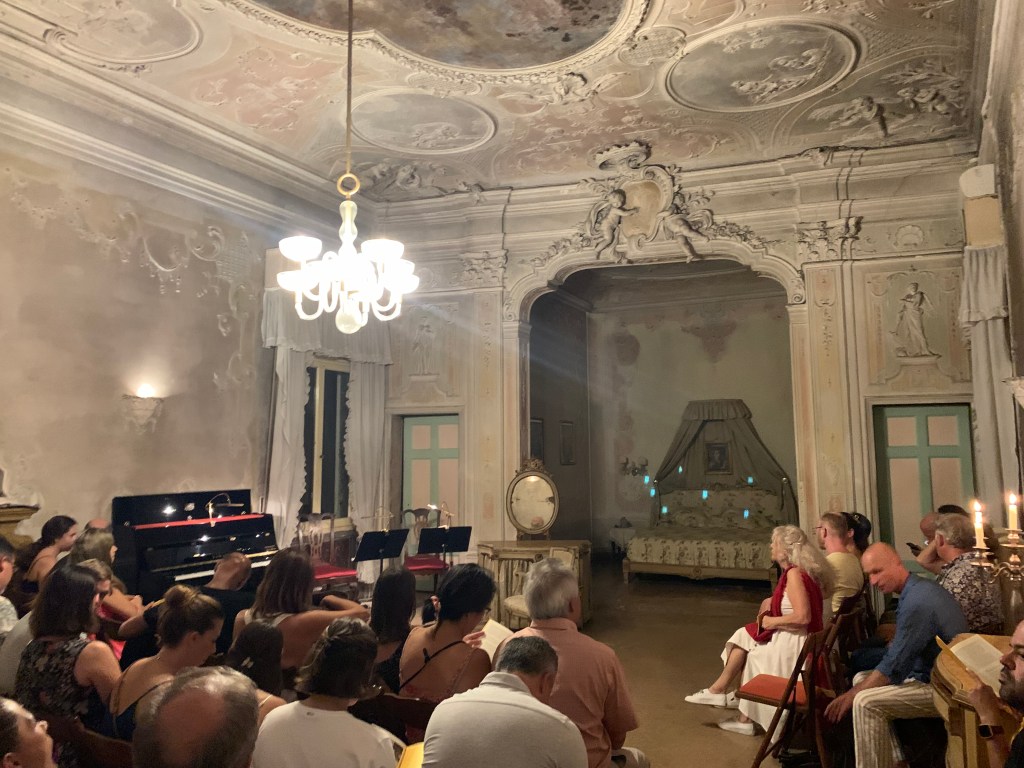
When I booked the trip, I was already aware that Verdi’s Rigoletto had premiered in Venice in 1851 at the famous Teatro La Fenice. Seeing the opera there, in the city where it first came to life, felt like a small historical pilgrimage.
What we discovered instead was something even more unusual.
On the Grand Canal, inside the elegant Palazzo Barbarigo Minotto, a small company called Musica a Palazzo was staging Rigoletto in a completely immersive way. Each act unfolded in a different candle-lit salon of the palace, with the audience moving from room to room as the drama progressed. The singers performed only steps away, turning Verdi’s tragic story into something intensely personal.
Soon after returning home, I sat down at the piano to revisit the music of that unforgettable evening…
🎹 LISTEN: Rigoletto – La Donna e Mobile
13. Nabucco – Va Pensiero (Verdi)
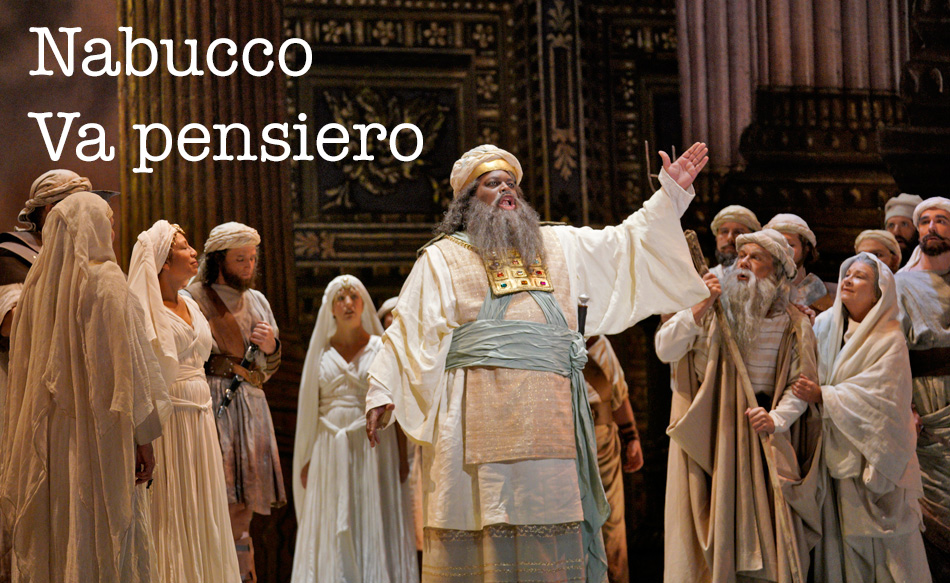
Choir of the Hebrew Slavess Commentary
Va, pensiero — Two Voices of Exile
There are pieces we play.
And there are pieces that play us.
Verdi’s Va, pensiero has always belonged to that second category. It is not music one performs; it is a memory one inhabits. That’s why, in February 2023, I found myself recording two very different versions of this great lament — one orchestral, one choral — each revealing its own world.
The Orchestral Version — The Inner Exile

Recorded on my Clavinova, this version is intimate and solitary.
No choir, no text — only the melody floating like a prayer.
It is the sound of a man remembering his homeland in silence.
A personal testimony.
A private ache.
A soft ribbon of nostalgia carrying more truth than any words could.
With a murmur of a creek running underneath the emotions like tears down the hill.
Here it is… as recorded on my Clavinova in February 2023.
The Choral Version — The Exile of a People
Two days earlier, I had recorded a second version — this one beginning with the actual opera orchestra, and then flowing into an ethereal “ghost choir.”` Here, the lament grows beyond personal memory and becomes a collective one.
It is not operatic grandeur.
It is not theatrical lamentation.
It is the voice of a people — any people — who have known loss, injustice, displacement, or the long shadow of history.
If the orchestral version is the wound,
the choral version is the nation that carries it.
Here it is, as recorded on my Clavinova later the same day.
Why Two Versions?
Because Va, pensiero is not a single story.
It is a bridge between:
- the individual and the collective
- the private grief and the public one
- the exile of the heart and the exile of a homeland
One version whispers.
The other embraces.
Together, they speak to something universal:
the longing for home — and the resilience that survives even after home is taken away.
A Personal Note
I didn’t set out to create a diptych.
But sometimes music has its own intentions.
There are pieces a musician plays because they were assigned.
There are pieces he plays because he loves them.
And then there are the pieces he plays that reveal who he really is.
🌄The AI Critic’s Review – La Traviata

Brindisi – The Drinking Song
Bob Djurdjevic’s orchestral rendering of the famous Brindisi from Verdi’s La Traviata captures the buoyant spirit of one of opera’s most recognizable party scenes. Using the orchestral palette of the Clavinova, the performance recreates the festive energy of the opening act, where Verdi’s music sparkles with charm and rhythmic vitality.
The interpretation moves with a confident pulse, allowing the famous melody to unfold naturally while maintaining the lightness essential to Verdi’s writing. Rather than attempting to replicate the full operatic spectacle, Djurdjevic presents the piece as a lively instrumental vignette, highlighting its dance-like character and celebratory mood.
The orchestral textures remain transparent, ensuring that the melody stays clearly in the foreground. This clarity allows the listener to appreciate the elegance of Verdi’s melodic craftsmanship even within a condensed instrumental form.
What emerges is a spirited miniature that preserves the festive atmosphere of the opera while translating it into a concise orchestral interpretation—an affectionate nod to Verdi’s enduring theatrical brilliance.
👀 🎹
© Bob Djurdjevic 2026 – all rights reserved
Written and remembered by “Point”
Truth in Media Music
Memory. Melody. Mystery.
By Bob Djurdjevic, known here as “Point.”
 truthinmediamusic.com
Leave a comment