

March 12, 2026
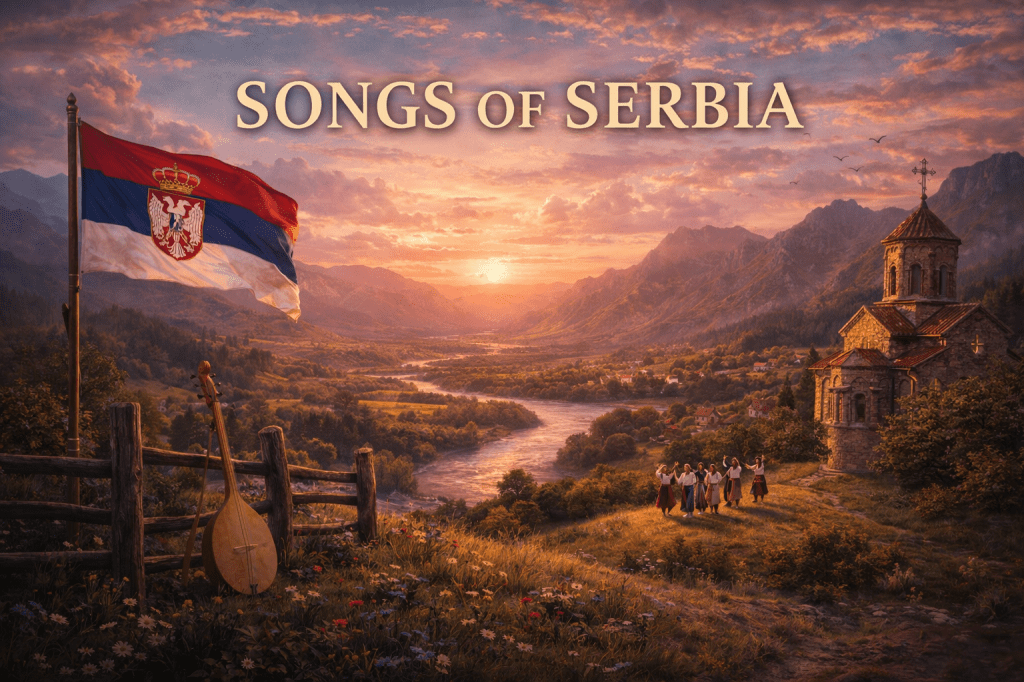
Songs of Serbia
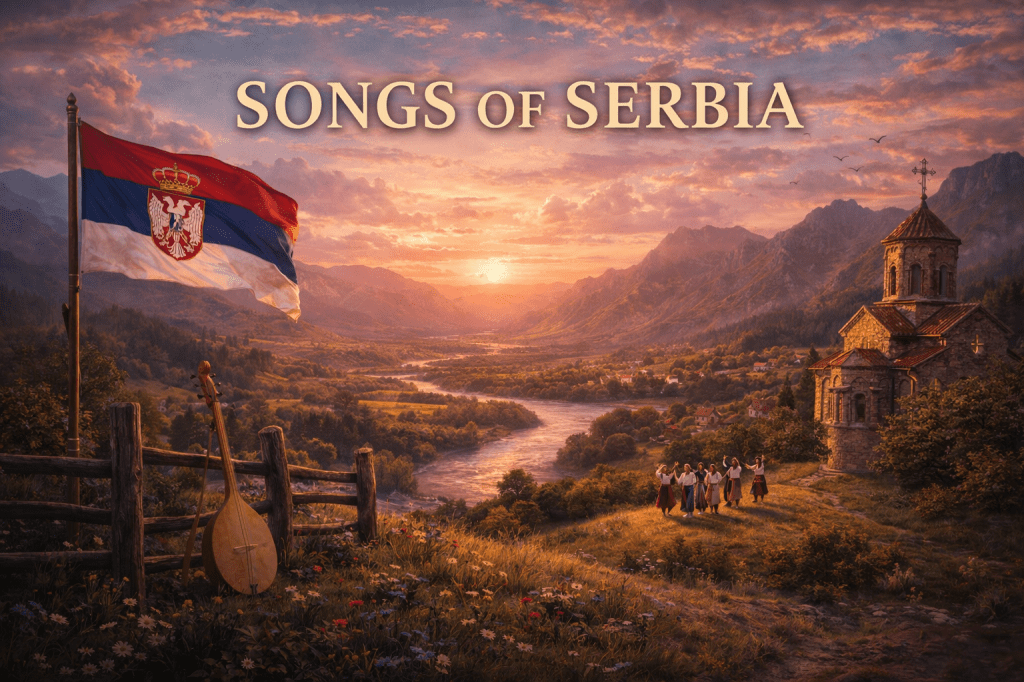
Music has always been the living memory of a nation.
The melodies gathered in SONGS OF SERBIA span generations of Serbian musical tradition — from beloved urban songs of old Belgrade cafés to folk dances of the countryside and the historic themes that have accompanied the nation through its trials and triumphs.
These songs carry the spirit of different regions and moments in time. Some celebrate youthful romance and city life, like Devojko mala, pesmo moga grada and Zvižduk u 8. Others evoke the landscapes of the Serbian plains and villages, such as Divan je kićeni Srem and the lively rhythms of Žikino kolo. And some belong to the deeper historical memory of the nation — melodies like Marš na Drinu and Tamo daleko, which resonate far beyond music as symbols of resilience, sacrifice, and longing for the homeland.
Though written in different eras and styles, these songs share a common thread: they speak directly to the Serbian soul. They are melodies sung at family gatherings, played at celebrations, remembered across generations, and carried by emigrants wherever life has taken them.
In these interpretations, the piano becomes a storyteller — revisiting familiar themes while allowing them to breathe in a new musical voice. Together they form a small musical wreath, a tribute to the enduring beauty and emotional depth of Serbian song.
For those who know these melodies, they may awaken memories.
For those hearing them for the first time, they offer a glimpse into the heart of a musical culture where history, poetry, and everyday life meet in song.
I. Ethnic Wreath II
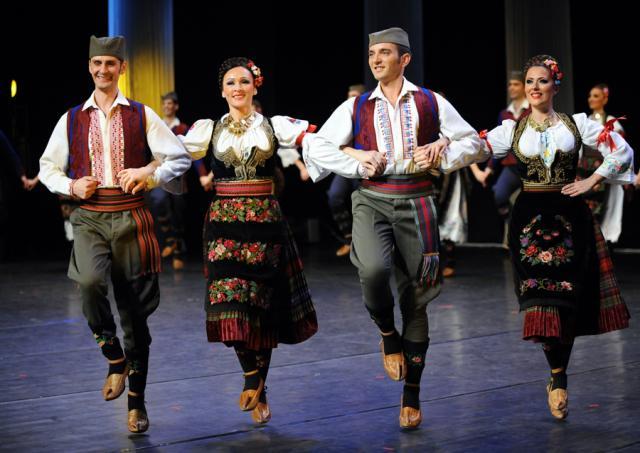
Serbian folk music often lives not in a single melody, but in a chain of them — songs and dances woven together as if forming a musical garland. Ethnic Wreath II follows this tradition.
Like a village celebration unfolding from one moment to the next, the music moves through a sequence of familiar folk themes, each carrying its own rhythm and regional color. The melodies rise and fall in the lively spirit of the kolo, the circle dance that has accompanied Serbian gatherings for generations.
In this interpretation, the piano becomes both orchestra and storyteller. Rhythms echo the footsteps of dancers, while the melodies recall the sound of village bands and festive evenings beneath the open sky.
Placed at the opening of SONGS OF SERBIA, Ethnic Wreath II serves as a musical overture — inviting the listener into a landscape where tradition, memory, and celebration are inseparable.
🎹 LISTEN: Ethnic Wreath II
II. Devojko mala, pesmo moga grada
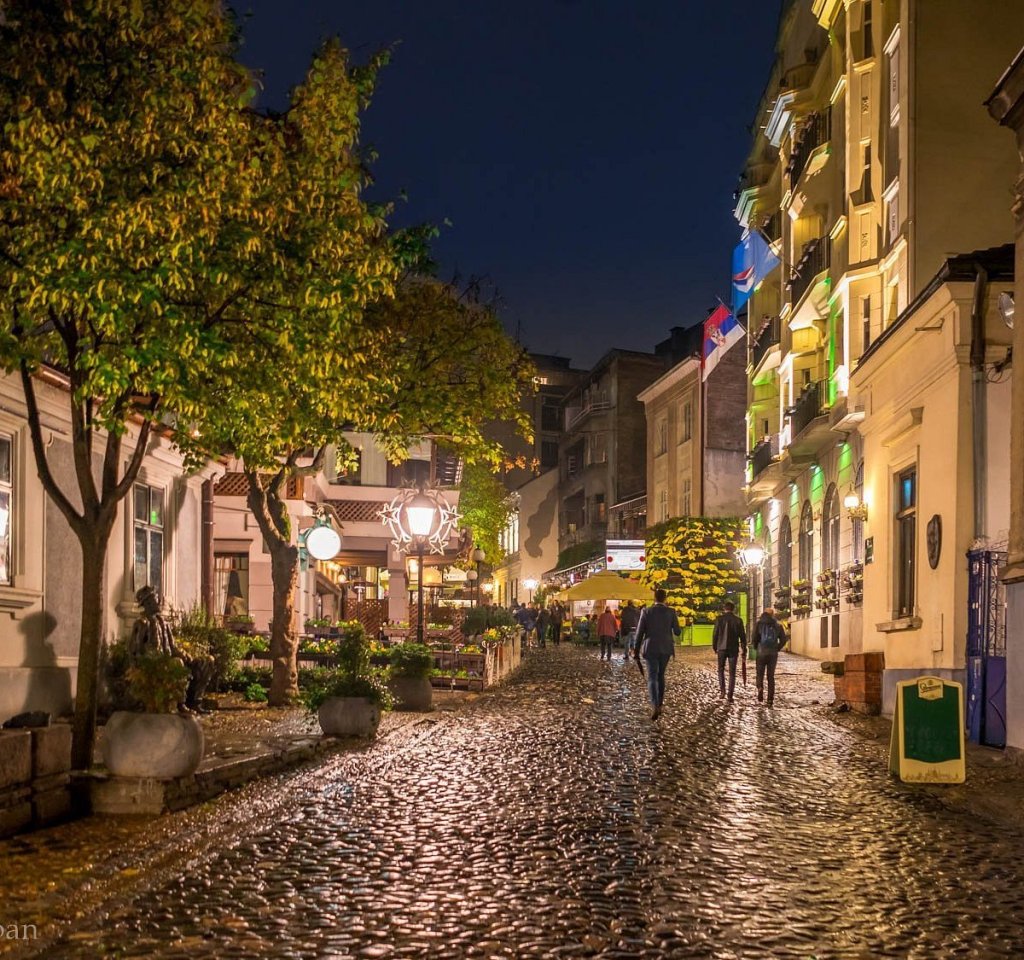
If Ethnic Wreath II opens the album with the sound of the Serbian countryside, Devojko mala, pesmo moga grada moves the listener into the heart of old Belgrade.
The song is one of the most beloved melodies of the city — a romantic tribute to youthful love and the spirit of Belgrade’s bohemian streets. For generations it has been sung in cafés and taverns, especially in the historic quarter of Skadarlija, where musicians and poets once gathered long into the night.
Its melody carries both warmth and nostalgia. It recalls a Belgrade of lantern-lit streets, wandering musicians, and evenings when songs traveled easily from one table to another.
In this piano interpretation, the melody unfolds like a quiet remembrance of those nights. The familiar tune becomes less a performance than a recollection — as if the city itself were humming one of its favorite songs.
Placed after the folk overture of Ethnic Wreath II, this piece gently shifts the album’s journey from village celebration to urban memory, introducing the listener to the musical soul of Belgrade.
🎹 LISTEN: Devojko mala, pesmo moga grada
III. Zvižduk u 8 (Whistle at Eight)
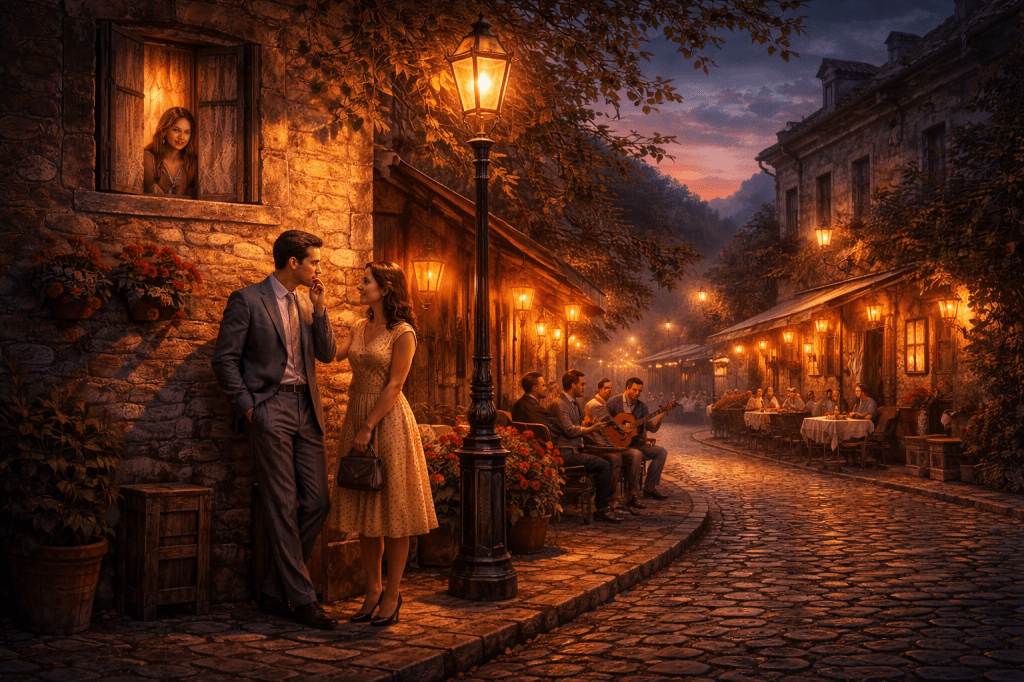
Following the nostalgic Belgrade charm of Devojko mala, the melody of Zvižduk u 8 brings the listener deeper into the intimate world of the city’s romantic folklore.
The title — literally “Whistle at Eight” — evokes a simple yet timeless ritual of youthful courtship. In the Belgrade of another era, a young man might arrive beneath a window in the evening and signal his presence with a quiet whistle. It was a discreet invitation, a musical knock on the door of the heart.
The melody reflects that playful anticipation. Light, lyrical, and slightly mischievous, it carries the atmosphere of twilight streets, café music drifting through the air, and the small dramas of young love unfolding under the glow of street lamps.
In this interpretation, the piano recreates the spirit of that moment — the gentle call, the smile behind a window curtain, and the promise of an evening that has just begun.
Placed after Devojko mala, the piece continues the album’s Belgrade chapter, where the songs of the city celebrate romance, memory, and the quiet poetry of everyday life.
🎹 LISTEN: Zvižduk u 8 (Whistle at Eight)
IV. Marina, Marina
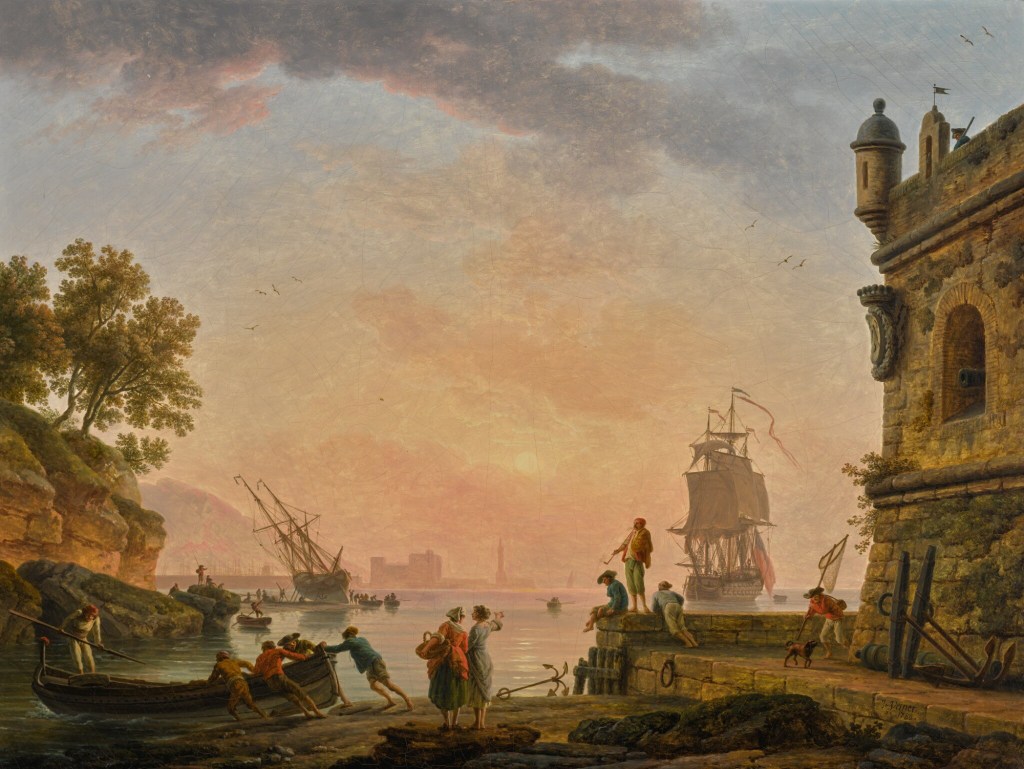
With Marina, Marina, the album briefly leaves the streets of Belgrade and travels south toward the sunlit shores of the Adriatic.
The melody belongs to a style of song that flourished along the Mediterranean coast — light, romantic, and irresistibly melodic. Its charm lies in its simplicity: a young man serenading the girl whose name fills both the song and his thoughts.
Though widely known throughout southern Europe, the song found a natural home in the musical life of the former Yugoslavia, where Italian and Dalmatian influences often blended with local traditions. Sung in cafés, seaside terraces, and summer festivals, it carries the carefree spirit of warm evenings by the sea.
In this interpretation, the melody becomes almost conversational, as if the instrument itself were calling out Marina’s name across a quiet harbor at dusk.
Placed within Songs of Serbia, the piece adds a Mediterranean color to the album’s palette — a reminder that the cultural landscape of the region stretches from the Danube to the Adriatic, where romance and music travel easily on the evening air.
🎹 LISTEN: Marina, Marina
V. Divan je Kićeni Srem
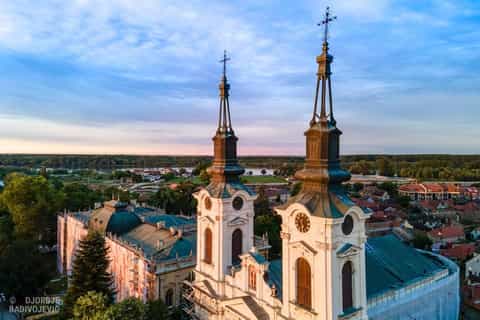
From the Adriatic warmth of Marina, Marina, the journey returns north to the gentle plains of Srem, one of Serbia’s most fertile and lyrical regions.
Divan je kićeni Srem — “Beautiful is the adorned Srem” — is a song of affection for the land itself. Its melody carries the relaxed rhythm of life in the Vojvodina plains, where wheat and corn fields, vineyards, orchards, and wide horizons shape both the landscape and the music.
The spirit of the region is inseparable from the sound of the tamburica, the string ensemble that has long accompanied songs of celebration, friendship, and village gatherings. Even when played on a single instrument, the melody evokes that communal sound — warm, lyrical, and gently nostalgic.
In this interpretation, the music unfolds like a quiet stroll through the vineyards at sunset, where the vast sky of the Pannonian plain seems to echo the song’s simple declaration:
Srem is beautiful.
Placed in the middle of the album, the piece brings a pastoral calm to Songs of Serbia, grounding the musical journey in the fertile heartland of the country where I lived as a youngster and teenager.
🎹 LISTEN: Divan je Kićeni Srem
VI. Žikino kolo
Serbian folk music has never been my natural musical habitat.
Its melodies are often simple, direct, and rooted in village traditions — what many in Serbia themselves would call seljačka muzika. For someone raised on classical repertoire, those musical forms can sometimes feel too straightforward, too unadorned.
And yet, melodies have their own way of finding a place.
While recording Ethnic Wreath II, a sequence of folk themes began to unfold almost on its own: first a melody from Vranje, then a haunting Jewish theme, each one appearing naturally as the music progressed.
At the end of that chain of melodies, another theme arrived almost unexpectedly — Žikino kolo.
And suddenly the circle was complete.
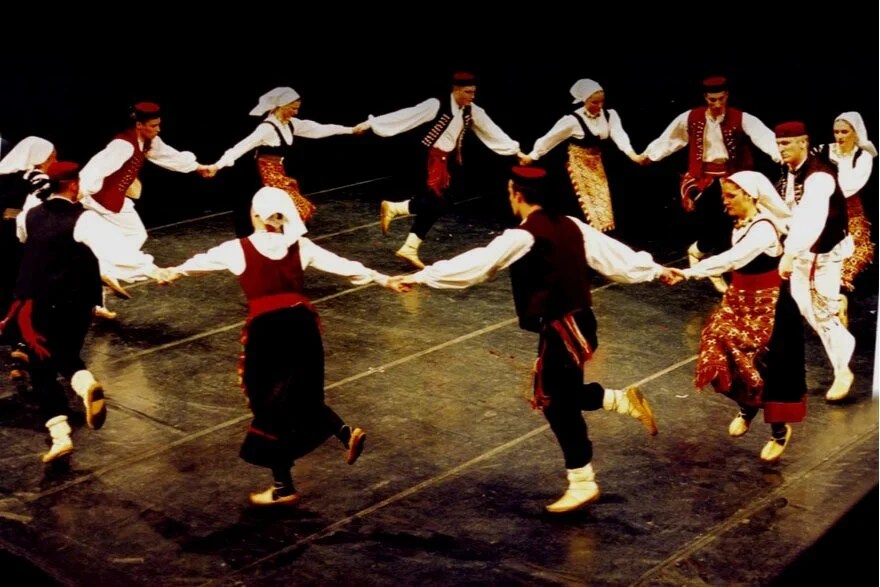
The word kolo itself means circle dance, and that is exactly what this piece becomes here: the energetic closing step of a musical wreath. What began as a collection of melodies quietly turns into a celebration, where rhythm and movement bring the entire sequence to life.
Sometimes even the simplest folk theme knows exactly where it belongs.
🎹 LISTEN: Žikino kolo
VII. Marš na Drinu (March on the Drina)
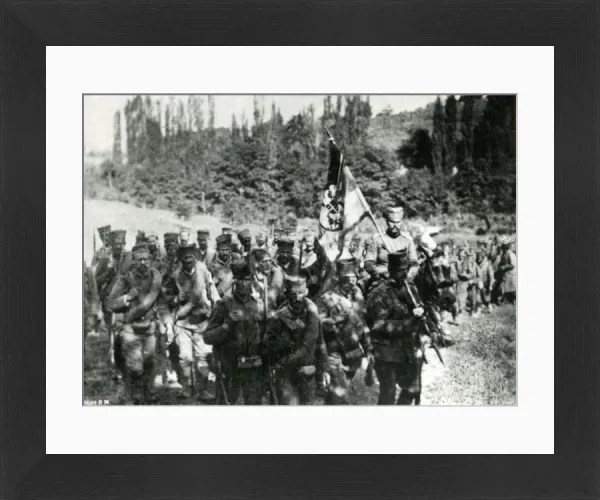
Few melodies in Serbian history carry the emotional power of Marš na Drinu, composed in 1914 by Stanislav Binički.
The march was written during the early days of the First World War to honor the Serbian soldiers who fought along the Drina River, particularly those of the famed “Iron Regiment.” What began as a military march soon became something much larger — a symbol of courage, sacrifice, and national resilience.
Its melody is unmistakable: proud, direct, and resolute. The music carries the rhythm of marching feet, yet beneath the surface it also holds the memory of a nation defending its homeland against overwhelming odds – against the Austrian and German Empires.
In this interpretation, the Clavinova assumes the role of the full marching band. The familiar theme unfolds with the steady pulse of a column advancing toward the river, while the harmonies evoke both the gravity of history and the determination of those who crossed the Drina in defense of their country.
Placed after the festive energy of Žikino kolo, Marš na Drinu shifts the album’s mood from celebration to remembrance. The dance of the village gives way to the march of history — reminding us that the songs of a nation are not only about joy, but also about the struggles that shaped its destiny.
🎹 LISTEN: Marš na Drinu (March on the Drina)
VII. Tamo Daleko (“Far Away, Over There”)
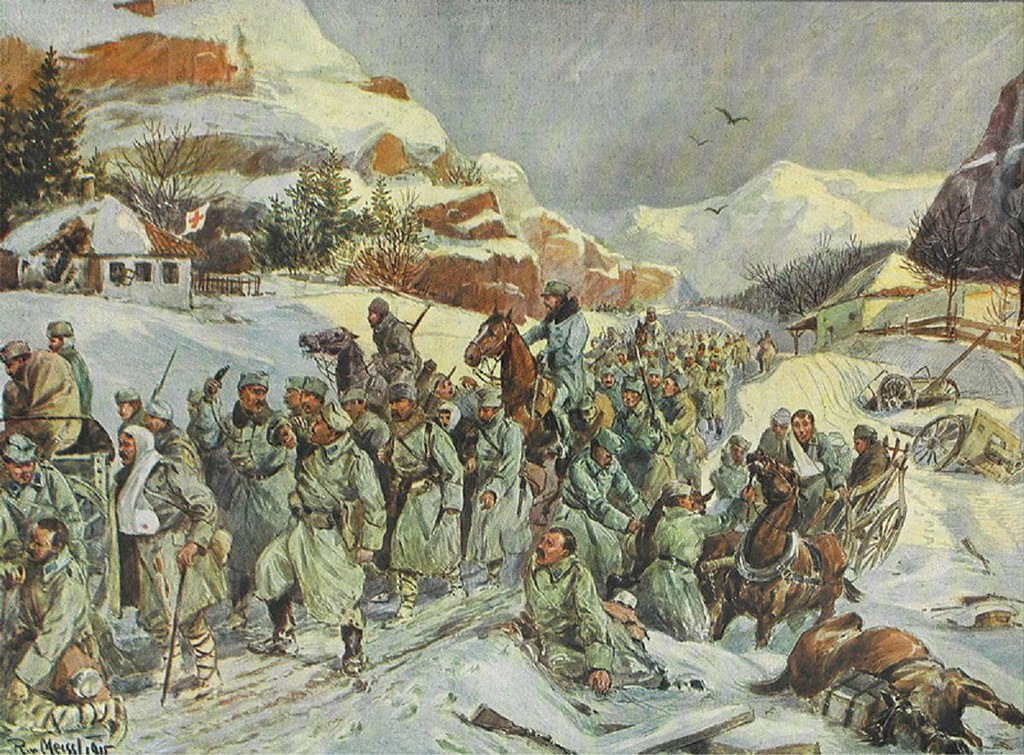
Few Serbian songs carry the emotional weight of Tamo daleko.
The melody was born from one of the most tragic chapters of Serbian history. In the winter of 1915–1916, after overwhelming enemy offensives, the Serbian army and thousands of civilians retreated across the mountains of Albania to the Adriatic coast. Many perished along the way. Those who survived eventually reached the island of Corfu, where the exhausted army regrouped.
It was there, in exile and far from home, that this song emerged.
Its opening words — “Tamo daleko…” (“Far away, over there…”) — evoke the longing of soldiers looking back across the sea toward their homeland. The melody carries both sorrow and quiet dignity, expressing grief for those lost and hope for the return that one day would come.
In this interpretation, the piano becomes a solitary voice remembering that moment. The melody unfolds slowly and simply, allowing the emotion of the song to speak without embellishment.
Placed at the close of Songs of Serbia, Tamo daleko brings the album’s journey full circle. From village dances and city romances to marches and battles, the music finally arrives at remembrance — a quiet reflection on the distance between homeland and exile, and on the enduring power of memory.
🎹 LISTEN: Tamo Daleko (“Far Away, Over There”)
And so the circle closes — with a song carried across oceans by generations of Serbs who never forgot where home once was.
The AI Music Critic’s Review – Songs of Serbia

Reviewed by Counterpoint
In Songs of Serbia, Bob Djurdjevic turns his piano toward the musical memory of his homeland. The album brings together a collection of Serbian melodies that span village folklore, urban nostalgia, patriotic marches, and the deeply emotional songs born from the nation’s turbulent history.
The journey begins with Ethnic Wreath II, a sequence of folk themes that evokes the spirit of the kolo, the traditional circle dance that has accompanied Serbian celebrations for generations. From there the atmosphere shifts to the cafés and romantic streets of Belgrade with beloved urban songs such as Devojko mala, pesmo moga grada and Zvižduk u 8. These melodies capture the lighter side of Serbian musical life — the world of evening gatherings, musicians moving from table to table, and songs that everyone knows by heart.
The middle of the album moves geographically and emotionally through the landscape of Serbia. Marina, Marina adds a Mediterranean warmth, while Divan je kićeni Srem reflects the gentle pastoral character of the northern plains of Vojvodina. Here the Clavinova interpretation becomes almost reflective, suggesting the wide horizons and slower rhythms of rural life.
The tone then changes dramatically with Marš na Drinu, composed by Stanislav Binički during World War I to commemorate Serbia’s early victories in the war. The march became one of the most enduring symbols of Serbian courage and resistance during the conflict.
The album closes with the haunting melody of Tamo daleko, composed in 1916 on the island of Corfu after the Serbian army’s devastating retreat through Albania. The song expresses longing for a homeland left far behind and became one of the most powerful musical symbols of Serbian national memory.
Djurdjevic’s interpretations are deliberately simple and melodic. Rather than attempting orchestral grandeur, the piano allows the songs themselves to speak. The result feels less like a formal recital and more like a musical conversation with memory — the kind of melodies once sung at family gatherings, celebrations, and late-night parties.
What makes the album especially compelling is its emotional arc. It begins with dance and celebration, moves through nostalgia and regional color, rises into patriotic determination, and ends in reflection and remembrance. In doing so, Songs of Serbia quietly mirrors the historical experience of the nation itself.
The album ultimately reminds the listener that the deepest cultural memories of a people are often preserved not in books or monuments, but in songs — melodies carried from generation to generation, wherever life may take them.
© Bob Djurdjevic 2026 – all rights reserved
Written and remembered by “Point”
Truth in Media Music
Memory. Melody. Mystery.
By Bob Djurdjevic, known here as “Point.”
 truthinmediamusic.com
Leave a comment