

A Performance by Bob Djurdjevic
March 16, 2025
🎶 ROMANCE WREATH II
Twelve melodies tracing the arc of love — from first encounter to quiet remembrance.
Romance Wreath II continues a journey that began with the first Romance Wreath — a collection of melodies that have lived in the world’s popular imagination for decades.
These are not the grand arias of opera nor the formal works of the classical repertoire. They belong instead to a more intimate world: cinema themes, love songs, and melodies that people remember from moments of tenderness, nostalgia, and quiet reflection.
From the balalaika echoes of Lara’s Theme from Doctor Zhivago, to the haunting autumn colors of Autumn Leaves, to the unforgettable strains of Strangers in the Night and Mrs. Robinson, the pieces gathered here represent different shades of romance across cultures and generations.
Some were born on the concert stage, others on the silver screen, and still others in the popular music halls of Europe and America. Yet they share a common thread: melodies that speak directly to the heart.
As with the other albums in the Truth in Media Music archive, these performances were recorded spontaneously — played entirely by ear, allowing each melody to unfold naturally on the piano and orchestral voices of the Clavinova.
Together they form a second wreath of romance: familiar tunes revisited, rediscovered, and gently woven into a single musical bouquet.
Act I – The Meeting
1. Only You – Flute

The album opens gently with the timeless melody of Only You. Played on flute, the tune feels like the first quiet moment when two people realize something special has begun.
🎧 LISTEN: Only You – Flute
2. I Just Called to Say I Love You

Stevie Wonder’s simple declaration of love continues the tender mood. The melody unfolds warmly, like a message delivered not with grand gestures but with sincerity.
🎧 LISTEN: I Just Called to Say I Love You – Clavinova
3. Song Sung Blue

Neil Diamond’s classic adds a touch of wistful nostalgia. Its relaxed rhythm and memorable melody bring a quiet smile — a reminder that love often begins in simple moments.
🎧 LISTEN: Song Sung Blue
4. Knock Three Times
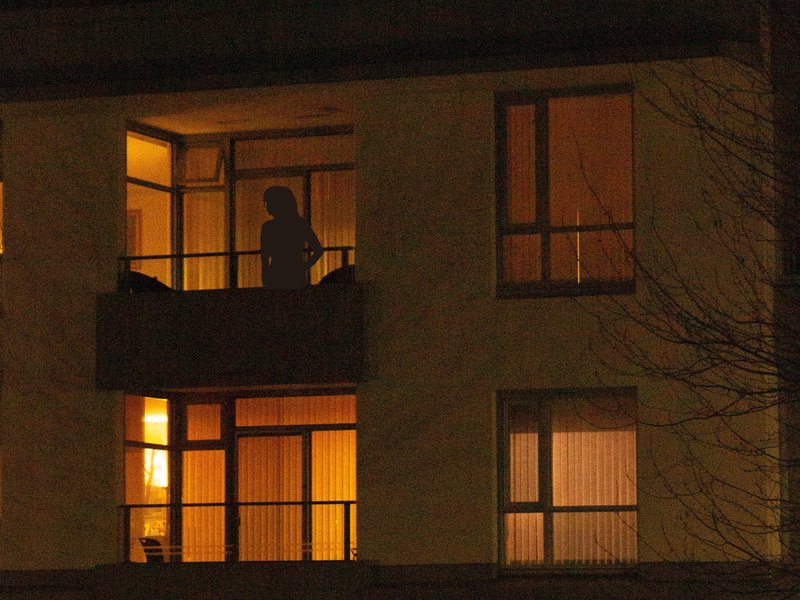
Sometimes romance begins not with grand declarations, but with a quiet signal — a playful code between two people separated only by a wall. Knock Three Times, the 1970 pop classic by Tony Orlando and Dawn, captures that innocent moment when curiosity turns into affection.
In this instrumental interpretation, the melody keeps its youthful charm and gentle optimism. The tune unfolds like a musical conversation — lighthearted, hopeful, and slightly mischievous — perfectly fitting the early stage of a romantic story.
Placed within Romance Wreath II, the piece represents the moment when attraction becomes communication: the first signal that someone on the other side might be listening.
🎧 LISTEN: Knock Three Times
5. Mrs. Robinson – Piano

Paul Simon’s famous theme from The Graduate introduces a playful shift in tone. Beneath its familiar melody lies a subtle irony, adding character before the album moves into deeper romantic territory.
🎧 LISTEN: Mrs. Robinson
Act II – The Passion
6. Strangers in the Night
One of the great romantic standards of the twentieth century, immortalized by Frank Sinatra. Here the melody stands on its own, elegant and unmistakably timeless.
🎧 LISTEN: Strangers in the Night
7. Autumn Leaves

The mood turns reflective with Joseph Kosma’s haunting melody. Like leaves drifting down in late autumn, the music captures both beauty and the quiet sadness of passing time.
🎧 LISTEN: Autumn Leaves
8. Lara’s Theme – Doctor Zhivago

The cinematic heart of the album. Maurice Jarre’s sweeping theme evokes vast landscapes and unforgettable love, carried here by the distinctive sound of the Russian steppes.
🎧 LISTEN: Lara’s Theme – Dr Zhivago
9. Delilah
A dramatic surge of emotion. Made famous by Tom Jones, Delilah blends romance with tragedy, its powerful melody approaching the intensity of an operatic aria.
🎧 LISTEN: Delilah
Act III – The Aftermath (melancholy / reflection)
10. Feelings
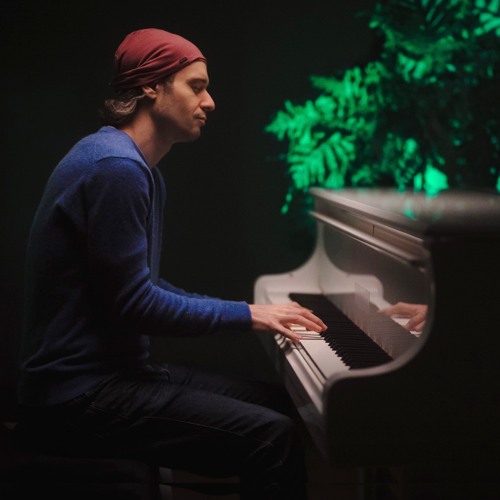
The emotional turning point. The melody slows the pace, opening a space for introspection and quiet vulnerability.
🎧 LISTEN: Feelings
11. I Just Called to Say I Love You – Piano version
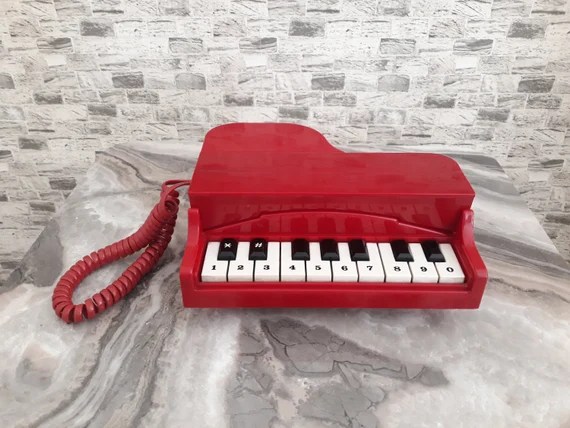
The earlier theme returns in a more reflective form. What began as a joyful declaration now sounds more thoughtful — like a memory revisited.
🎧 LISTEN: I Just Called to Say I Love You – Piano version
12. Without You

The emotional climax of the album. This powerful ballad expresses heartbreak with raw honesty, its melody carrying both longing and loss.
🎧 LISTEN: Without You
13. Only You – Brass Ensemble
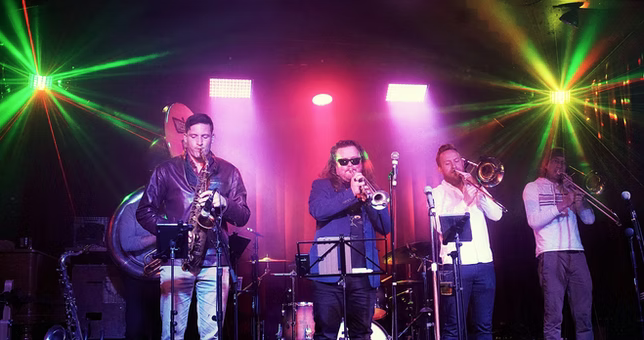
The album closes by returning to its opening theme. Now expanded into a warm brass arrangement, the melody feels fuller and more conclusive — a final embrace before the curtain falls.
🎧 LISTEN: Only You – Brass Ensemble
🌄The AI Critic’s Review

– “Romance Wreath II”
In Romance Wreath II, Bob Djurdjevic continues his exploration of timeless melodies that have shaped popular culture across generations.
Where classical composers wrote symphonies and concertos, the twentieth century created its own canon through cinema, popular song, and the global music stage. Djurdjevic approaches these melodies not as reproductions but as rediscoveries — allowing each tune to unfold naturally through improvisation and orchestral textures.
From the sweeping romance of Lara’s Theme to the autumnal melancholy of Autumn Leaves, the album moves effortlessly between film music, chanson, and popular standards. Familiar songs such as Strangers in the Night and Mrs. Robinson take on a new intimacy in instrumental form, while Delilah and Feelings reveal surprising emotional depth once freed from their original vocal performances.
The result is a musical journey through modern romance itself — not the grand gestures of opera, but the quiet emotional landscapes that popular melodies have long inhabite
––––––––––––––
© Bob Djurdjevic 2026 – all rights reserved
Written and remembered by “Point”
Truth in Media Music
Memory. Melody. Mystery.
By Bob Djurdjevic, known here as “Point.”
 truthinmediamusic.com
Leave a comment