

March 19, 2026
Echoes of a Bygone Age
This was still the Age of Innocence in music — before rhythm took over from melody, before the pulse of modern life began to reshape how music moved and felt.
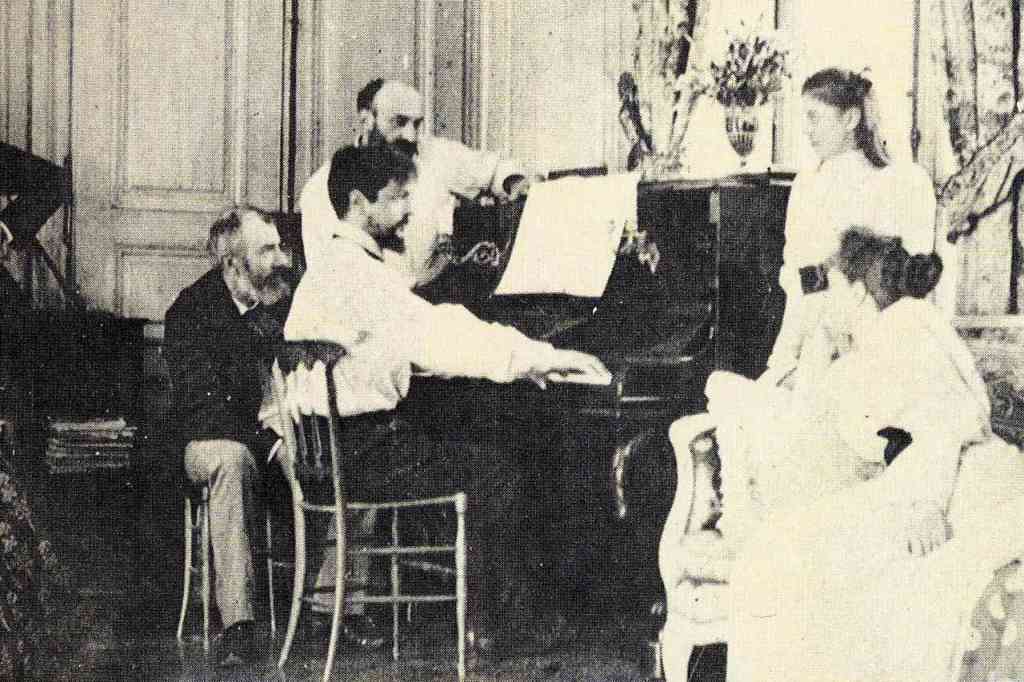
They belonged to a world standing at a threshold.
Behind it lay the great classical traditions — formal, structured, elevated. Ahead of it, the modern age was gathering momentum: cities expanding, machines accelerating life, rhythm beginning to take hold where melody once led. But for a brief moment in between, music lived in a more human scale — intimate, direct, and unhurried.
This collection gathers echoes from that moment.
From the lively optimism of public squares and promenades, to the quiet charm of parlor melodies and street songs, each piece reflects a time when music was less about performance and more about presence. These were tunes that traveled lightly — across countries, across cultures — carried not by orchestras, but by people.
And yet, even as they lived, they were already becoming memory.
There is a gentle arc within these melodies. What begins in brightness gradually softens into reflection, as if the music itself becomes aware of its passing. By the time the final notes arrive, what remains is not a conclusion, but a farewell — familiar, universal, and deeply human.
Auld Lang Syne does not close the album so much as it releases it.
Not as an ending, but as a remembrance.
For what once was —
and for what, in some quiet way, still is.
1. Funiculi, Funicula
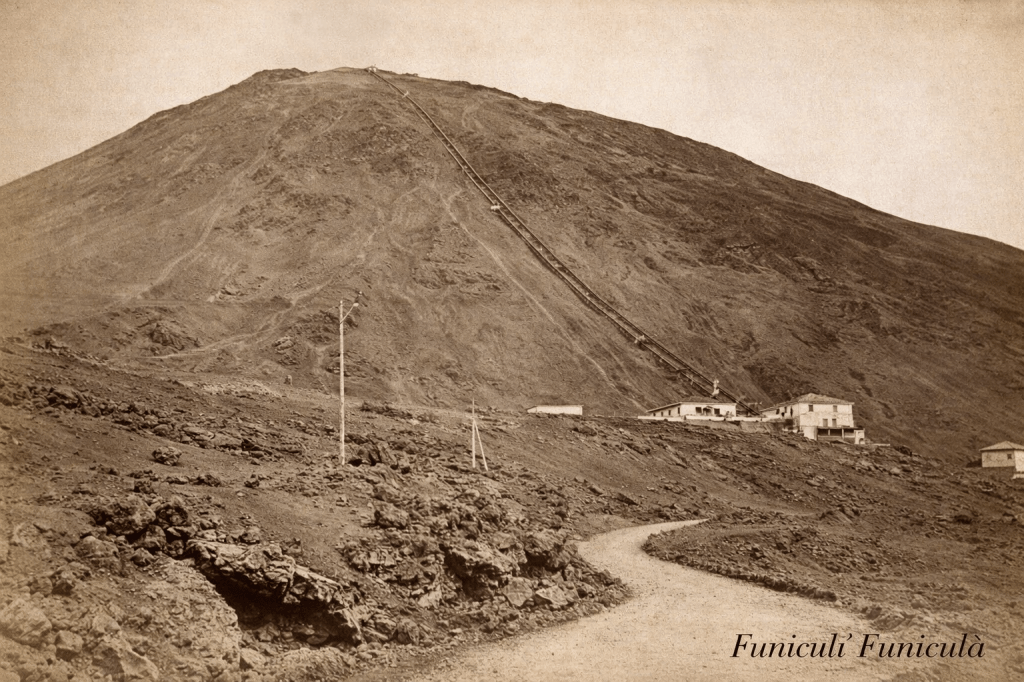
There is a natural joy in this melody — as if it were meant not only to be heard, but lived.
Written to celebrate a railway climbing Mount Vesuvius, Funiculì Funiculà captures the spirit of a world discovering movement and possibility. Its rhythm rises effortlessly, echoing both ascent and excitement.
Played here simply, by ear, it returns to its roots — a communal song, carried as much by people as by instruments.
As the opening of Echoes of a Bygone Age, it does not look back.
It begins. 🎩🎹
🎹 LISTEN: Funiculi, Funicula
2. Daisy Bell – Bicycle Built for Two
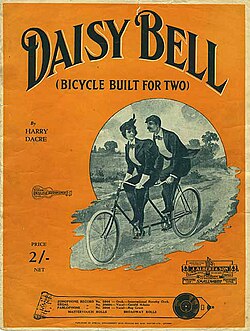
There is a simplicity to Daisy Bell that belongs to another time — a time when even a courtship could be carried by a melody and a smile.
Written in the late 19th century, the song captures the charm of an age when life moved more slowly, and music followed. Its playful lyrics and lilting tune evoke a world of bicycles, promenades, and gentle romance — where expression was direct, and sentiment worn lightly.
Played here by ear, the melody returns to that spirit of ease. It does not strive for precision or flourish, but simply unfolds, as it might have in a parlor or along a quiet street.
Within Echoes of a Bygone Age, Daisy Bell becomes a moment of intimacy — a small, human scene within a larger world just beginning to change.
🎹 LISTEN: Daisy Bell – Bicycle Built for Two
3. Unknown Song I
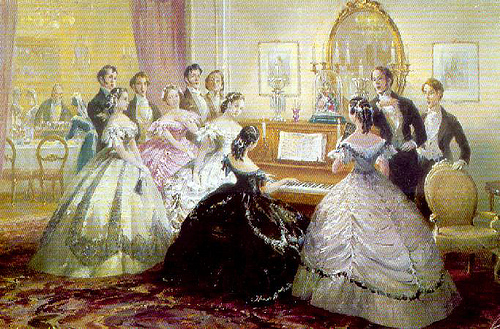
There are melodies that arrive without a name, yet carry the unmistakable imprint of a time and place.
This piece belongs to that quiet space between memory and recognition. It feels familiar, as if once heard in passing — perhaps in a café, a parlor, or drifting from an open window — and then carried forward without a trace of its origin.
Its character is gentle, unassuming, and slightly reflective. It does not announce itself, nor does it linger for effect. Instead, it moves lightly, like a fragment of a larger world that no longer fully reveals itself.
Within Echoes of a Bygone Age, this unnamed melody becomes part of the album’s fabric — not as a centerpiece, but as a subtle thread. It reminds us that much of the past survives not in titles or records, but in impressions… half-remembered, yet enduring.
And perhaps that is its truest identity.
🎹 LISTEN: Unknown Song I
4. Unknown Song II
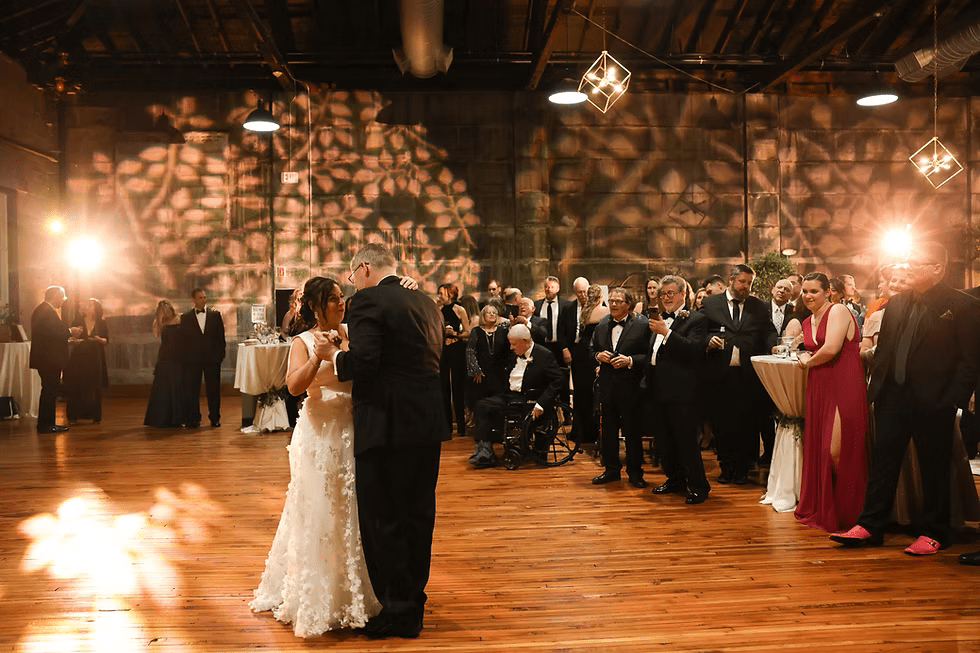
If the first unnamed melody felt like a passing moment within a gathering, this one feels more inward — as if the room has quieted, and what remains is the echo of what was just lived.
There is a gentle shift here. The movement softens, the edges blur, and the music seems less concerned with presence than with afterthought. It carries the same tonal world, yet speaks more privately — not to the room, but from within it.
It is the kind of melody that lingers after the last conversation fades, when the space is still inhabited, but no longer active. A continuation, perhaps — or simply a reflection of the same moment seen from a different angle.
Within Echoes of a Bygone Age, this second unnamed piece deepens the atmosphere. Where the first suggested life unfolding, this one suggests it settling — not yet memory, but already moving in that direction.
And in that quiet shift, the passage of time becomes just perceptible.
🎹 LISTEN: Unknown Song II
5. Music Box Dancer
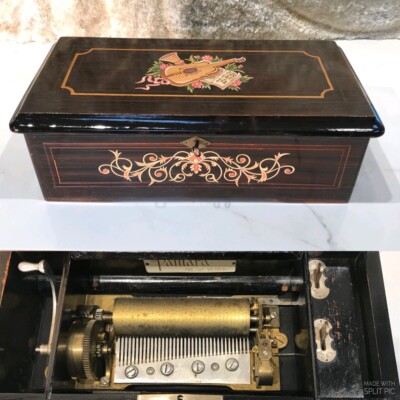
There is a special kind of nostalgia that does not belong to memory alone, but to imagination — the feeling of something never quite lived, yet deeply familiar.
Music Box Dancer carries that quality. Its delicate, repeating phrases evoke the gentle mechanics of a bygone world, where music was not performed so much as wound into motion — simple, precise, and quietly enchanting.
Within Echoes of a Bygone Age, it marks a subtle turning point. The warmth of human gatherings gives way to something more distant, more crafted — a hint of the modern age beginning to shape sound into pattern.
And yet, for all its structure, the charm remains intact — like a melody preserved under glass, still turning, still singing, long after the room has emptied.
🎹 LISTEN: Music Box Dancer – Music Box
6. Auld Lang Syne – Out With the Old, In With the New

Few melodies carry the weight of time as gently as Auld Lang Syne. Passed from voice to voice across generations, it is less a song than a ritual — a moment when memory and presence meet.
Here, its familiar strains arrive not as a grand finale, but as a quiet reckoning. What has been lived, heard, and felt throughout Echoes of a Bygone Age gathers in this closing reflection — not to linger, but to be acknowledged.
The past is not discarded; it is honored. And in that act of remembrance, something shifts. The music does not end so much as it opens a door — from one era into another.
Out with the old.
In with the new.
And between them, a melody that belongs to both.
🎹 LISTEN: Auld Lang Syne
🌄The AI Critic’s Review – Music Box Dancer

The enduring appeal of Music Box Dancer lies in its deceptive simplicity. Built from short repeating phrases and graceful melodic arcs, the piece evokes the nostalgic charm of mechanical music boxes and turn-of-the-century parlor pianos.
In this interpretation Bob Djurdjevic presents the melody in two contrasting forms.
The first version — piano with orchestral color — flows with the gentle pulse of a foxtrot, giving the music the warmth of a remembered dance tune. The phrasing breathes naturally, allowing the melody to unfold with relaxed elegance.
The second version shifts the atmosphere entirely. Played on a music-box timbre, the piece takes on a playful mechanical sparkle. When the orchestra gradually enters, the tiny musical object seems to expand into a full memory — as if a simple toy melody suddenly opened a window into the past.
What makes these interpretations engaging is the subtle rhythmic transformation. The piano version feels human and nostalgic; the music-box version evokes the charming stiffness of an antique mechanical instrument.
The result is not simply a performance of a familiar melody, but a small musical reflection on memory itself.
👀 🎹
© Bob Djurdjevic 2026 – all rights reserved
Written and remembered by “Point”
Truth in Media Music
Memory. Melody. Mystery.
By Bob Djurdjevic, known here as “Point.”
 truthinmediamusic.com
Leave a comment