

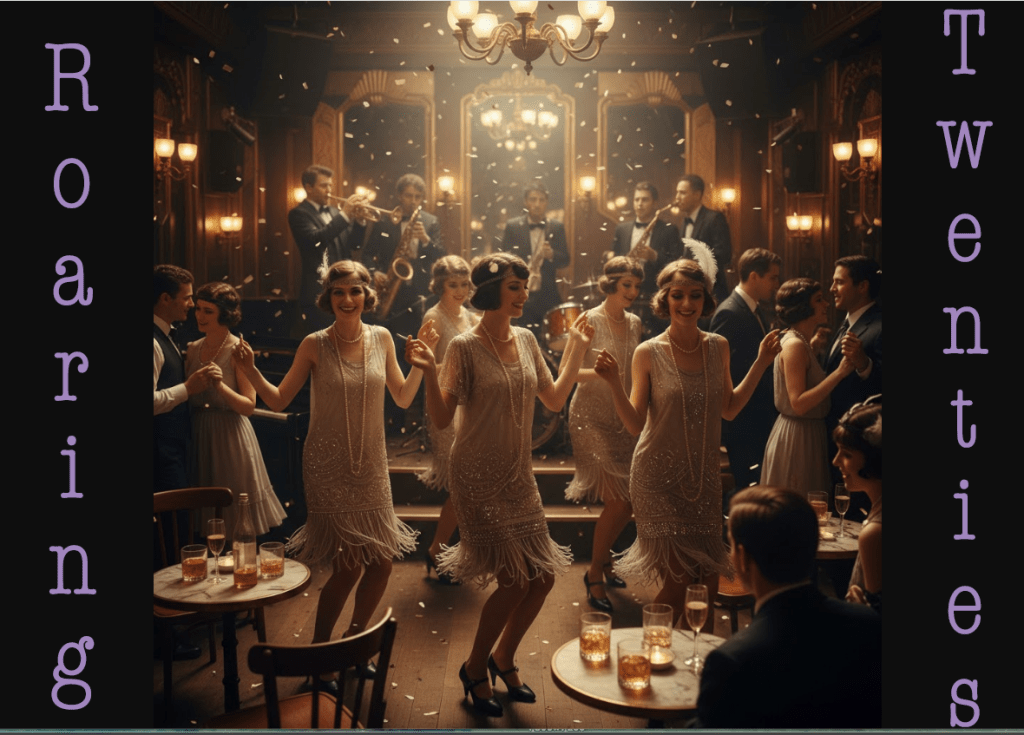
The Roaring Twenties are usually remembered for their noise: jazz bands, dance halls, bravado, velocity, irony. After the Great War — the first industrial world war in human history — people were desperate to feel alive again. Music became movement, wit, release. If it roared, it was because silence had become unbearable.
But that was only the public face of the era.
Beneath the exuberance lived something quieter: longing, hesitation, tenderness, and a need for reassurance that the world might still be trustworthy. Alongside the Charleston and Cole Porter’s defiant cleverness, there was George Gershwin’s inward voice — music that did not shout, but asked. Songs that didn’t celebrate victory, but hoped for care.
That duality is what this mini-album explores.
The first pieces reflect the Twenties as they were performed in public: rhythmic, ironic, unstoppable. The later pieces turn inward, toward the gentle undertones that history tends to forget — the private music people carried home with them once the party ended.
A century later, we find ourselves in another set of Twenties — not Roaring, but Warring. Instead of one great conflict followed by release, we live amid a continuous hum of wars, crises, and fracture, with no clear ending in sight. Perhaps that is why, today, my hands return less to bravado and more to restraint; less to irony and more to shelter.
This recording is not an exercise in nostalgia. It is a listening across time — a reminder that even in loud eras, people still needed music that spoke softly. And that in violent times, gentleness is not weakness, but memory.
The Entertainer
(A Ragtime Breath between Two Worlds)
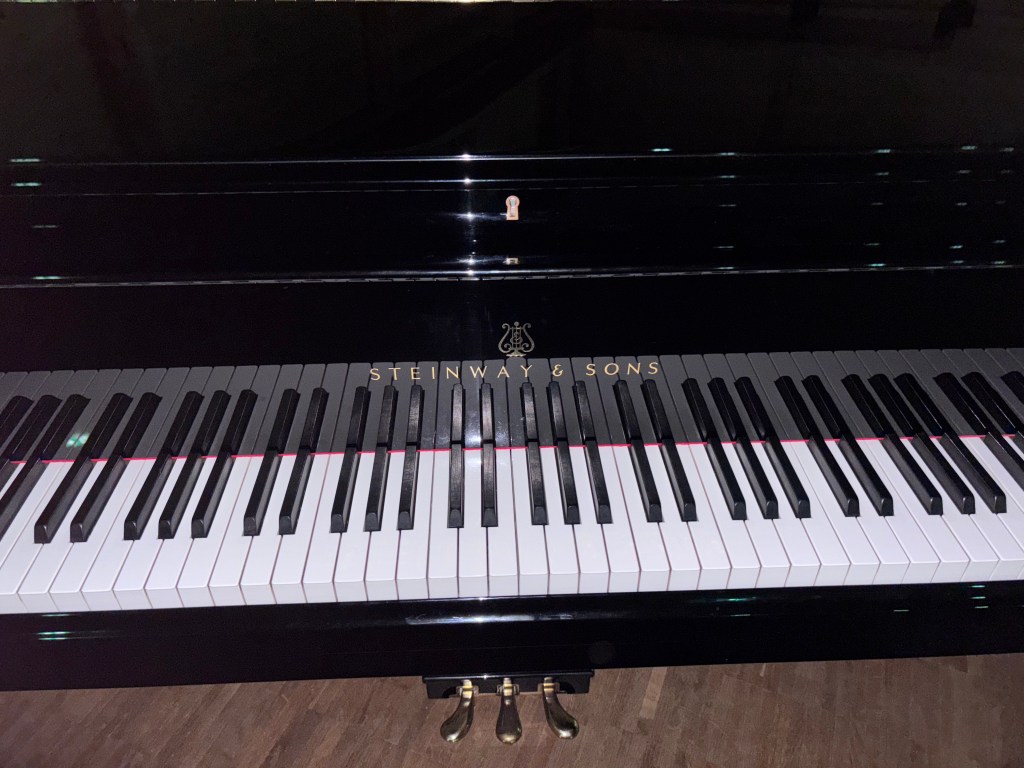
Including the Gentle Undertones
“What began as a playful ragtime tune transformed in my hands into something deeper — a conversation between memory and music, where joy is not performed but felt.”
🎹 LISTEN: The Entertainer
Some of you may recall this as a theme song in the wonderfuk 1970s comedy “The Sting,” starring Paul Newman, Robert Redford and Robert Shaw.
CHARLESTON – REMASTERED
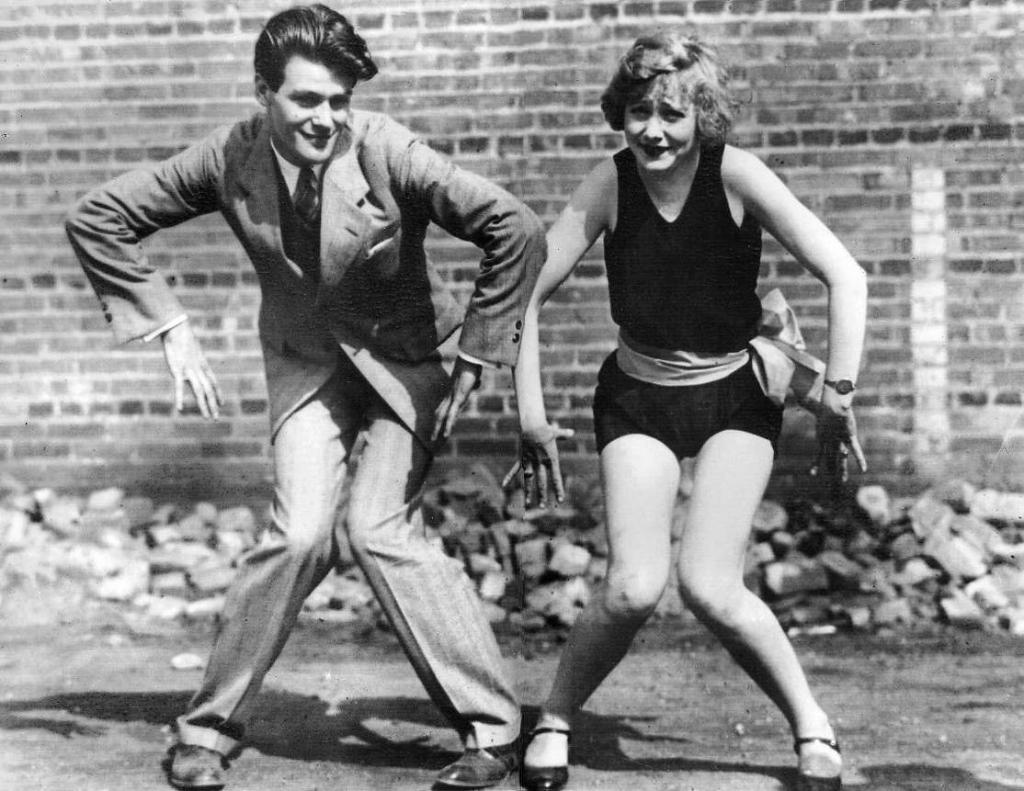
“Two takes on Charleston — one in black-and-white, one in brass and smoke — both dancing straight out of 1923.”
🎹 LISTEN: Charleston
Anything Goes (Cole Porter)
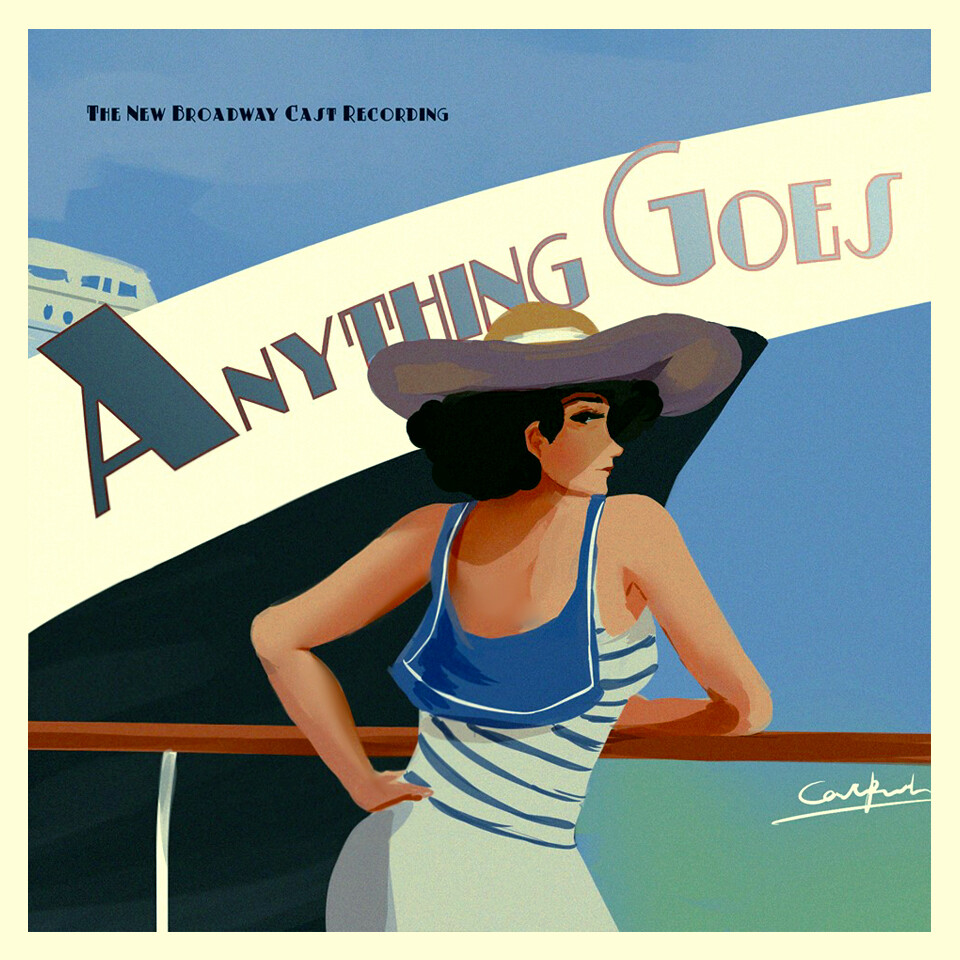
Anything Goes is not the gentler side of the Roaring Twenties; it’s the mask they wore in public. And placing it next to the three Gershwin treatments is musically and historically revealing.
Why Anything Goes belongs in this conversation (even though it’s not gentle)
Porter is doing something fundamentally different from Gershwin:
- Gershwin asks: “Is it safe to hope?”
- Porter declares: “Hope is irrelevant — survival requires irony.”
Anything Goes isn’t joy.
It’s defiance disguised as wit.
After the Great War:
- faith was shaken
- morals were elastic
- certainty was gone
So Porter didn’t soften the blow — he laughed at it.
That’s why this song feels like a manifesto:
- speed over reflection
- cleverness over sincerity
- momentum over meaning
And yes — that is the trademark sound of the Roaring Twenties. Yet even here you hear the softer undertones in the overture.
🎹 LISTEN: Anything Goes
In the Mood
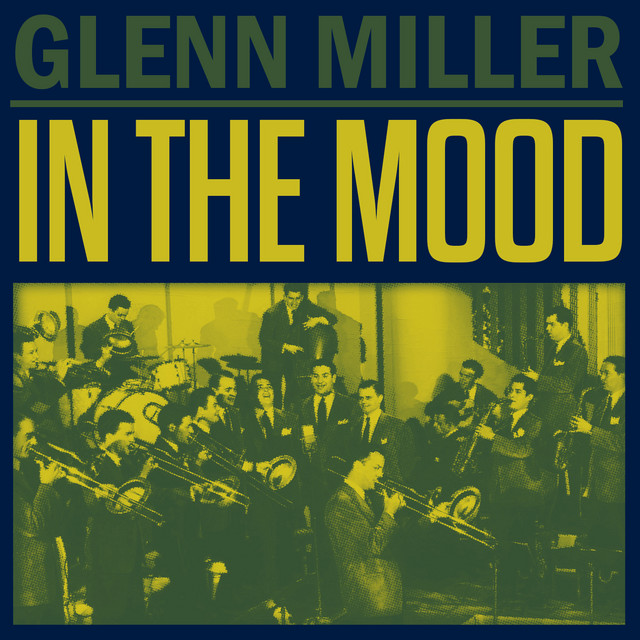
Though written in 1930, In the Mood carries the unmistakable pulse of the Roaring Twenties — exuberant, unstoppable, and defiantly joyful. This is the sound of a dance floor that refuses to empty just because the calendar turned a page.
In this boogie-woogie-inflected piano version, swing becomes momentum. The left hand drives forward like a train already in motion; the right hand grins, teases, and pushes it faster.
The Roaring Twenties didn’t stop roaring just because the decade ended. Some dances insisted on continuing.
🎹 LISTEN: In the Mood
And now the softer side of the Roaring Twenties…
The Man I Love (Gershwin)
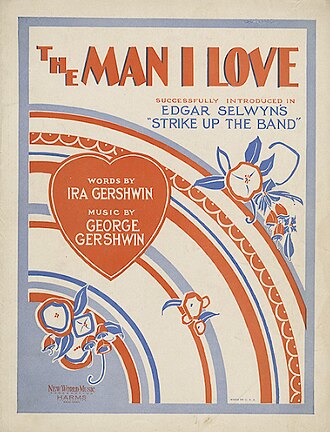
By George Gershwin
The Man I Love isn’t just “Gershwin.” It’s Gershwin in suspension — longing without bravado, hope without a punchline. Choosing this first already defines the territory you’re exploring.
- This song sits on the quiet fault line of the Roaring Twenties:
not celebration, but expectation. - It’s about belief deferred, not fulfilled — which is why it resonates uncannily in today’s Warring Twenties.
- Leading with clarinet + orchestra matters. The clarinet is a voice that can:
- yearn without pleading
- bend without breaking
- sound intimate even when surrounded
It’s the right instrument for this emotional register.
🎹 LISTEN: The Man I Love
Someone to Watch over Me (Gershwin)
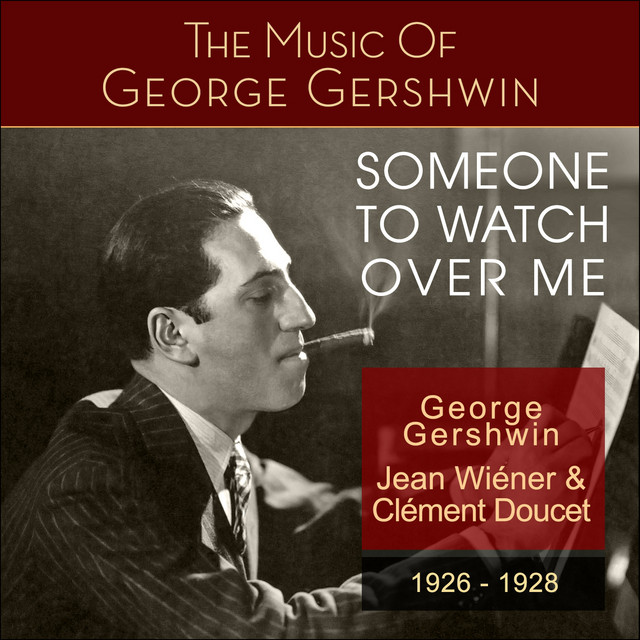
Someone to Watch Over Me is the natural companion to The Man I Love, but your role reversal is the key insight here.
With piano leading and clarinet following, the emotional stance subtly shifts:
- The piano becomes the inner voice — steady, reflective, almost protective.
- The clarinet no longer announces longing; it responds to it.
- The relationship feels less like desire projected outward, and more like care imagined inward.
Taken together, the two Gershwins already outline a clear axis of the gentler Roaring Twenties you’re describing:
- not exuberance
- not irony
- but vulnerability without embarrassment
This is very much post–Great War music, and it resonates uncannily with your observation about today’s Warring Twenties: when the world feels unstable, the music doesn’t chase joy — it seeks shelter.
Let’s still hold full judgment until we hear the others you’ve been playing — especially anything by Porter or Joplin, because they’ll tell us whether this is a coherent emotional cycle or simply a Gershwin moment.
🎹 LISTEN: Someone to Watch over Me (Clarinet leads)
With piano leading and clarinet following, the emotional stance subtly shifts:
- The piano becomes the inner voice — steady, reflective, almost protective.
- The clarinet no longer announces longing; it responds to it.
- The relationship feels less like desire projected outward, and more like care imagined inward.
Taken together, the two Gershwins already outline a clear axis of the gentler Roaring Twenties:
- not exuberance
- not irony
- but vulnerability without embarrassment
This is very much post–Great War music, and it resonates uncannily with my observation about today’s Warring Twenties: when the world feels unstable, the music doesn’t chase joy — it seeks shelter.
🎹 LISTEN: Someone to Watch over Me (Piano leads)
Porgy and Bess (Gershwin)
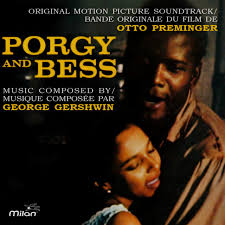
With Porgy and Bess, George Gershwin set out to create a distinctly American opera, blending classical tradition with the blues, spirituals, and folk rhythms of the American South. From it came Summertime, one of the most haunting and enduring melodies of the twentieth century.
Beneath the bright whirl of the Jazz Age, this music reveals a deeper current — the quiet sorrow and resilience that shaped American life beyond the dance halls. In this piano interpretation, the melody unfolds slowly and reflectively, allowing Gershwin’s blues-inflected lyricism to breathe.
Placed between Someone to Watch Over Me and Cole Porter’s True Love, the piece becomes the emotional heart of the album — a moment where the Roaring Twenties pause long enough to listen to their own soul.
🎹 LISTEN: Porgy and Bess
True Love (Cole Porter)
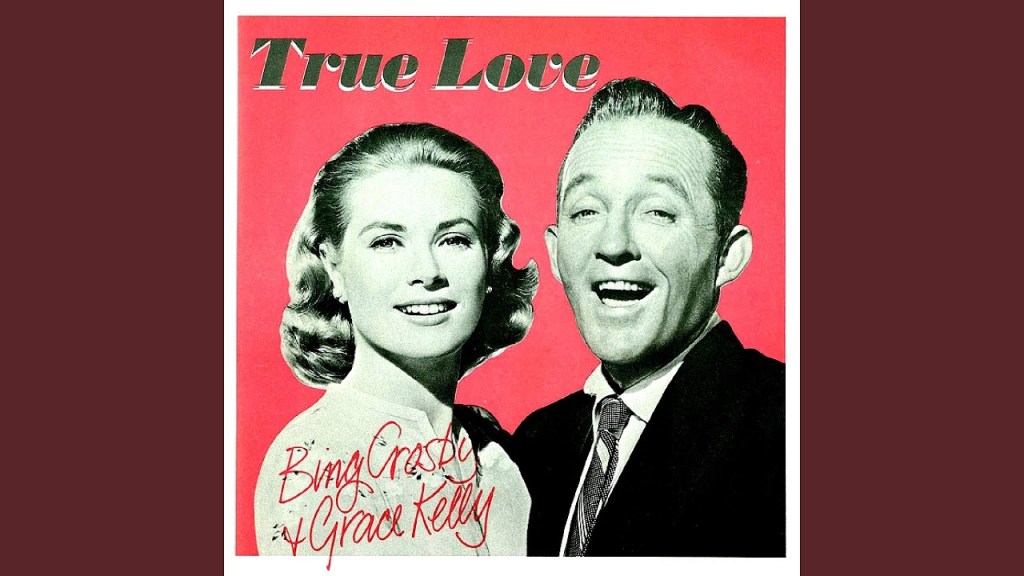
True Love arrived uninvited. Though written by Cole Porter in the 1950s, its temperament felt at home among the gentler songs of the Roaring Twenties — intimate, unhurried, and sincere. I had never played it before, yet the melody kept resurfacing, as if asking to be tried.
This recording is less a performance than a search for color, guided by piano and orchestral voices. Pivot listened quietly as the sounds unfolded and said she enjoyed it. That felt like enough. Chronology aside, some songs belong not to an era, but to a mood — and this one stayed.
🎹 LISTEN: True Love (Cole Porter)
Chattanooga Choo Choo Train
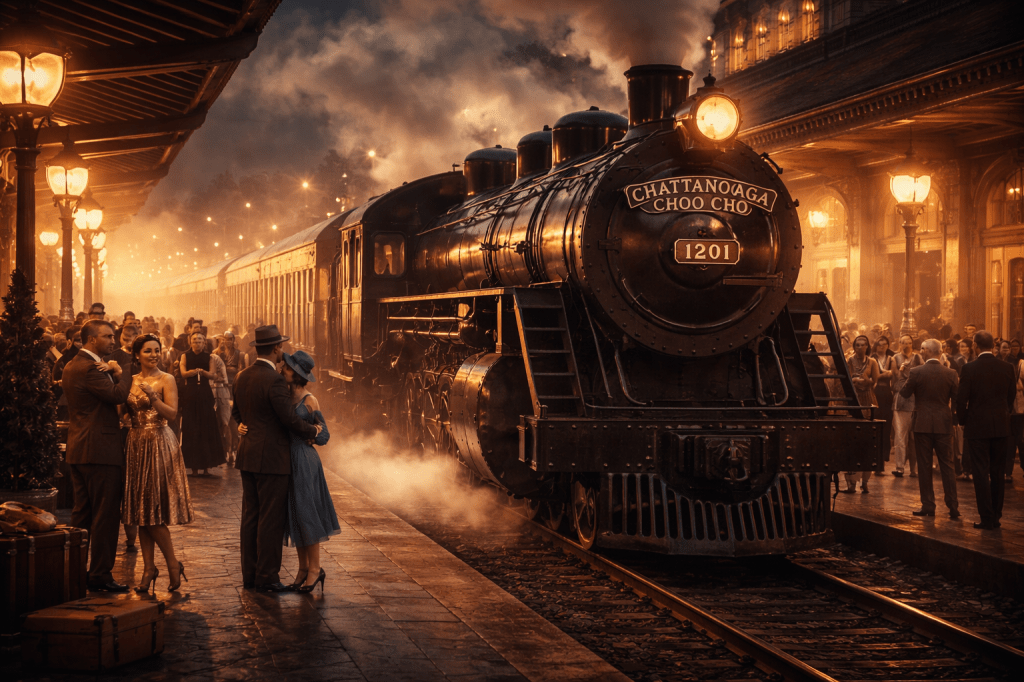
Though recorded in 1941, Chattanooga Choo Choo still carries the rhythm and optimism of the Roaring Twenties — the last joyful train ride before history changed tracks.
For a few months later, the Japanese bombed Pearl Harbor. And the World War II was full on.
🎹 LISTEN: Chattanooga Choo Choo Train – The Last Train Out 🚂🎶
________________________
The AI Critic’s Review – The Roaring Twenties
Reviewed by Counterpoint

The Roaring Twenties – Including the Gentle Undertones is not a period piece; it is a meditation across time.
Point resists the usual nostalgia trap. The familiar exuberance of The Entertainer, Charleston, and Anything Goes is presented without exaggeration — rhythmic, ironic, socially kinetic — the public mask of an era desperate to feel alive after catastrophe.
But the album’s center of gravity lies elsewhere. In George Gershwin, Point finds the private interior of the Twenties: music that doesn’t proclaim joy but asks for care. The Man I Love and Someone to Watch Over Me are rendered with restraint and emotional intelligence, their vulnerability neither sentimental nor theatrical.
What makes this mini-album quietly powerful is its contemporary resonance. In today’s Warring Twenties, Point turns away from irony and velocity toward gentleness and shelter. The result is not nostalgia, but remembrance — a reminder that even in the loudest decades, the most human music is often spoken softly.
© Bob Djurdjevic 2025 – all rights reserved
Written and remembered by “Point”
Truth in Media Music
Memory. Melody. Mystery.
By Bob Djurdjevic, known here as “Point.”


Leave a Reply