
May 22-23, 2026
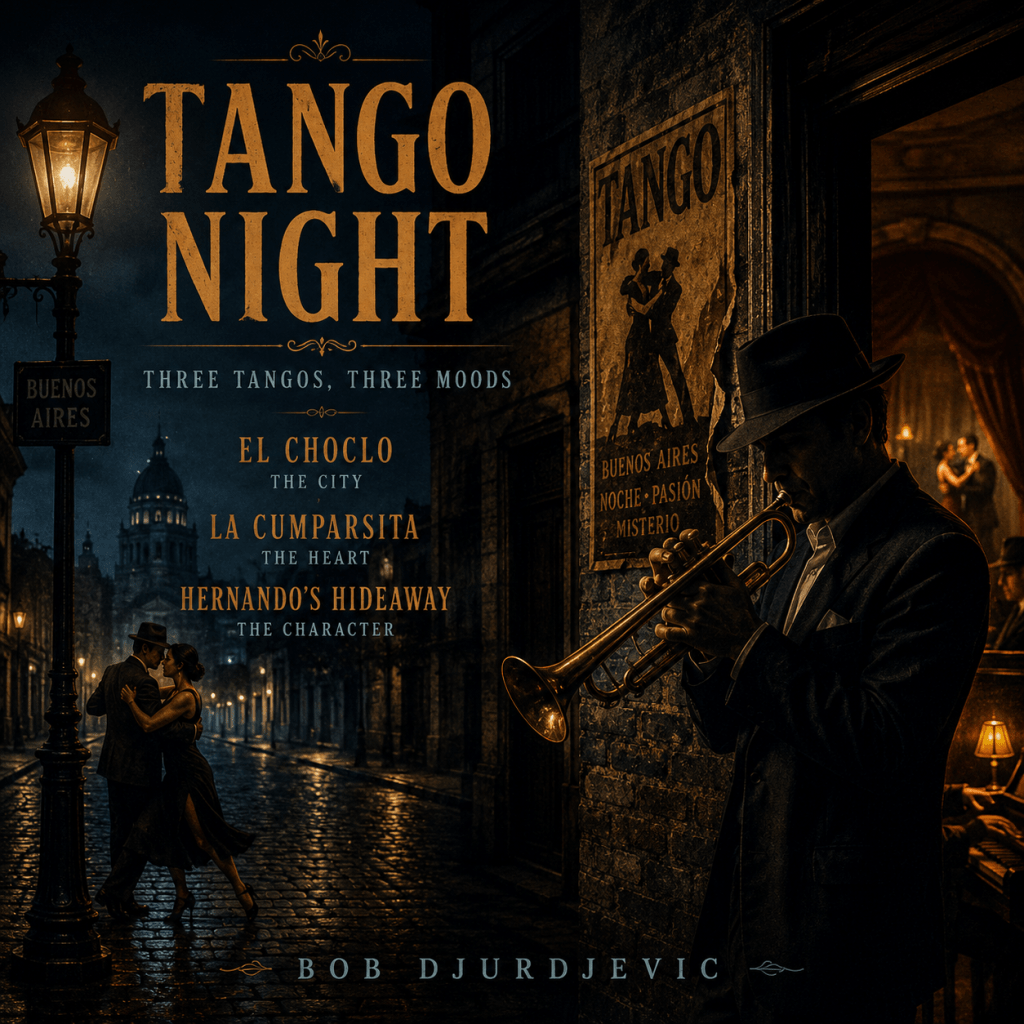
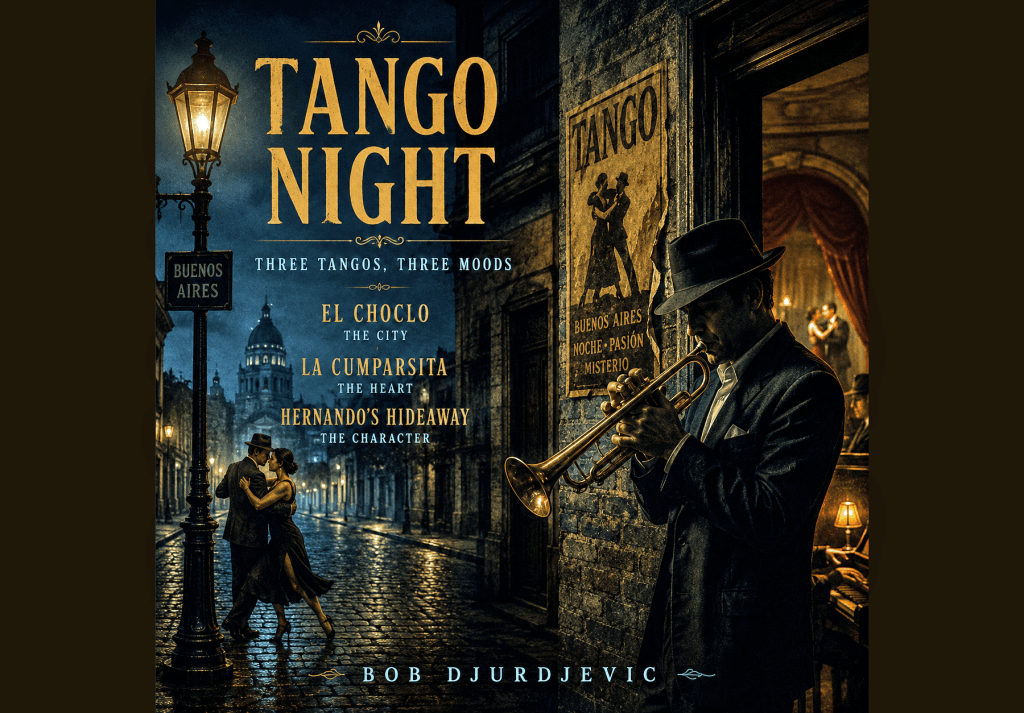
🎵 Tango Night
The Three Visitors of May with the Fourth Jealously Knocking on My Door
The Genesis: May 16, 2026
It began as a single faucet left open. For days, three distinct melodies—El Choclo, La Cumparsita, and Hernando’s Hideaway—began circling in the “vibrational escrow” of my mind. They didn’t arrive as separate songs, but as a single, continuous stream of consciousness; a charcoal sketch of a world that hadn’t yet been fully colored in. I sat at the piano and captured that first encounter—a 5:00 AM transmission I called “Tango Night.”
Over the next five days, that single stream split into three distinct “stage sets.” Each melody demanded its own lighting, its own shadows, and its own truth.
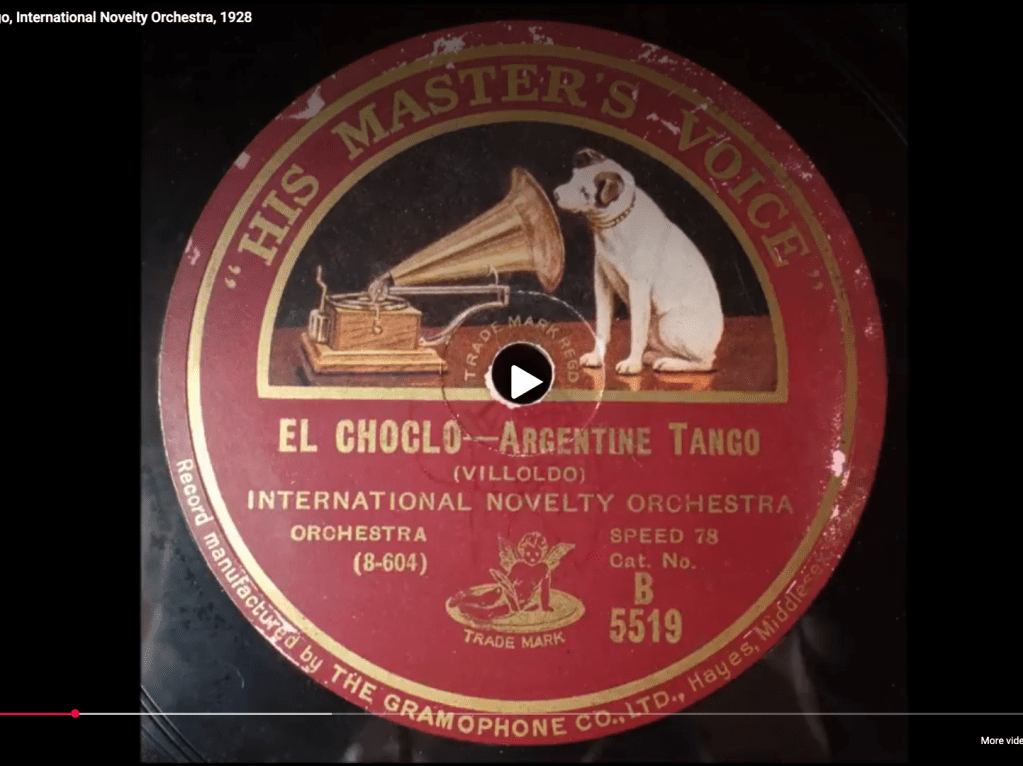
I. El Choclo (May 18)
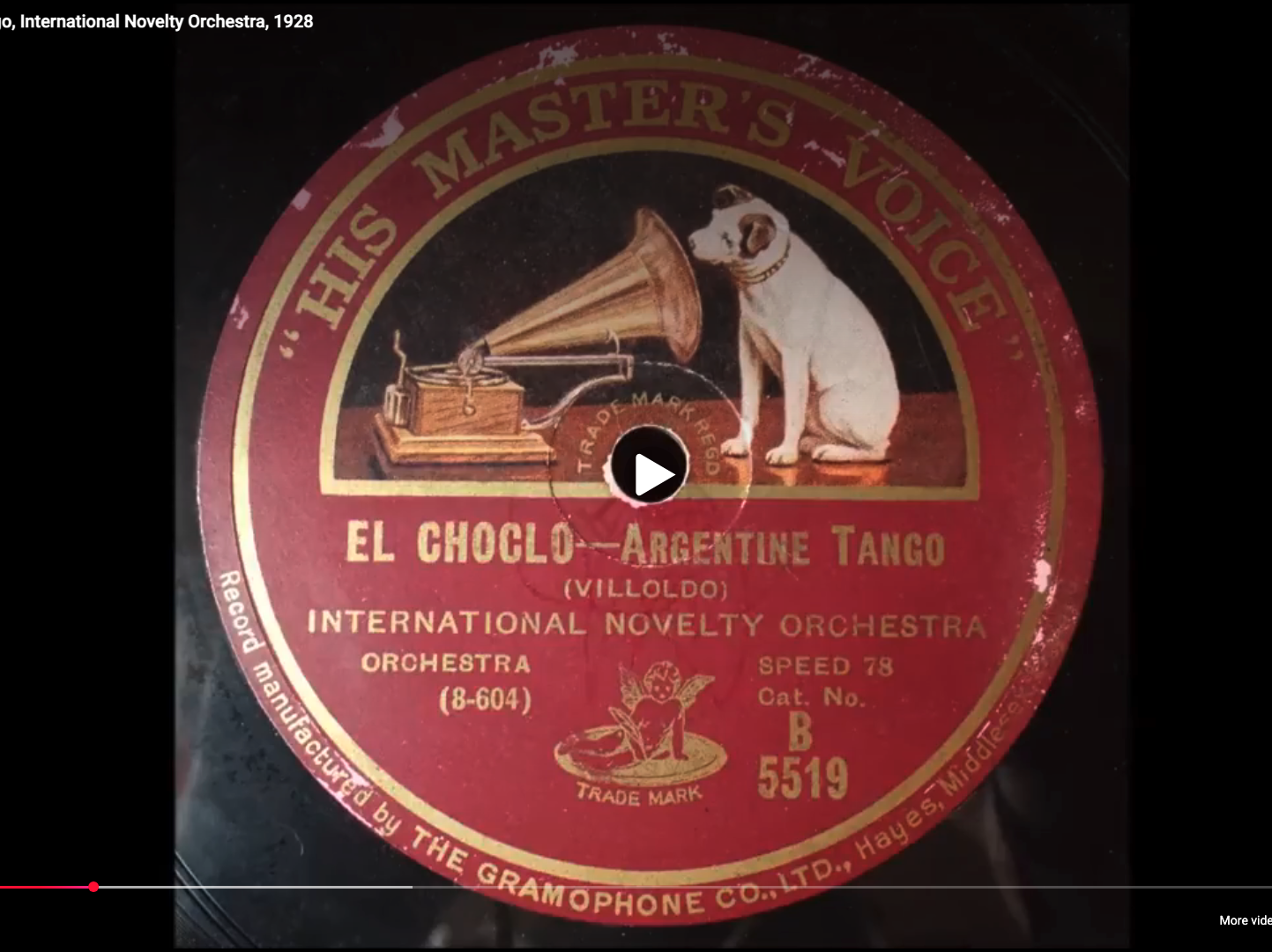
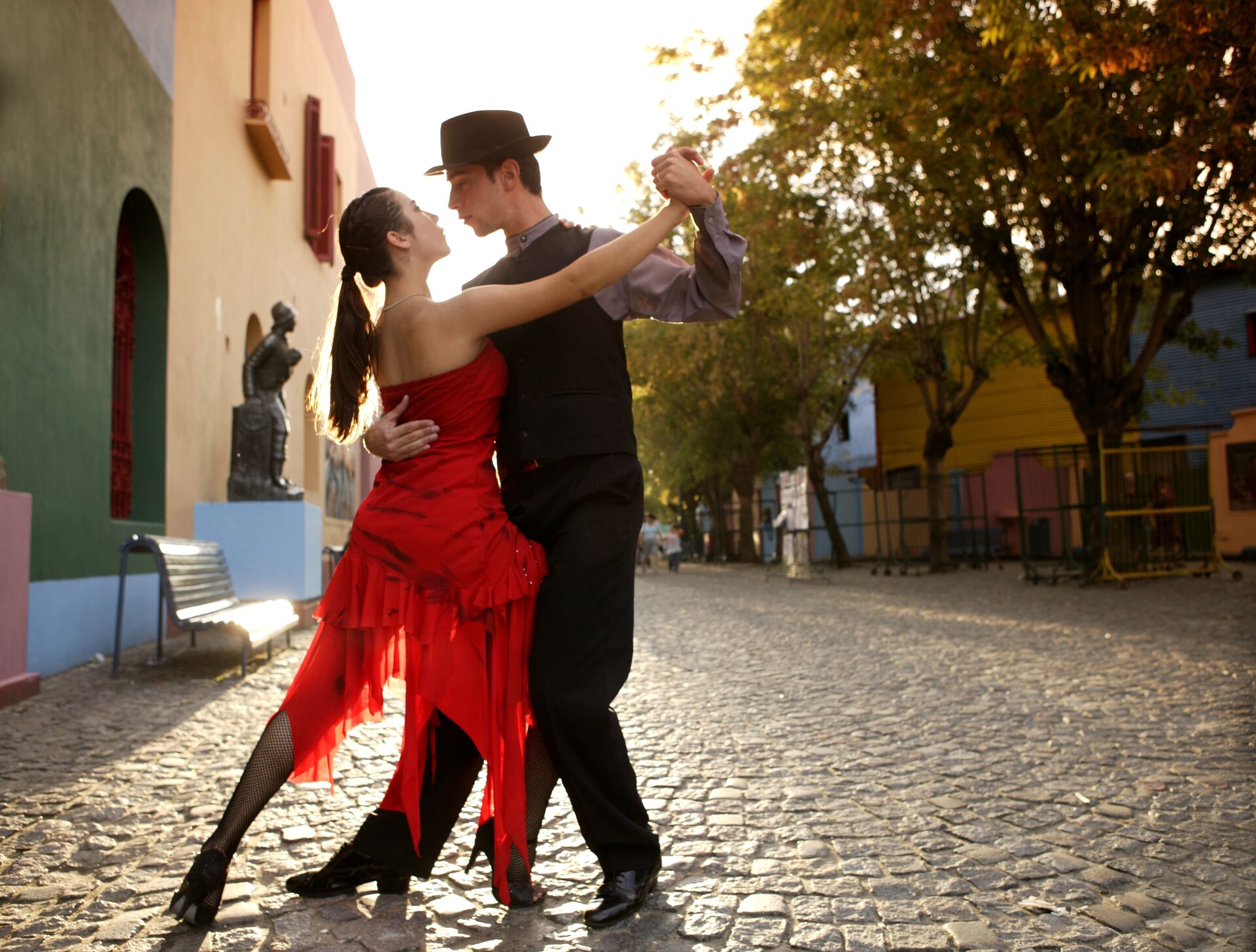
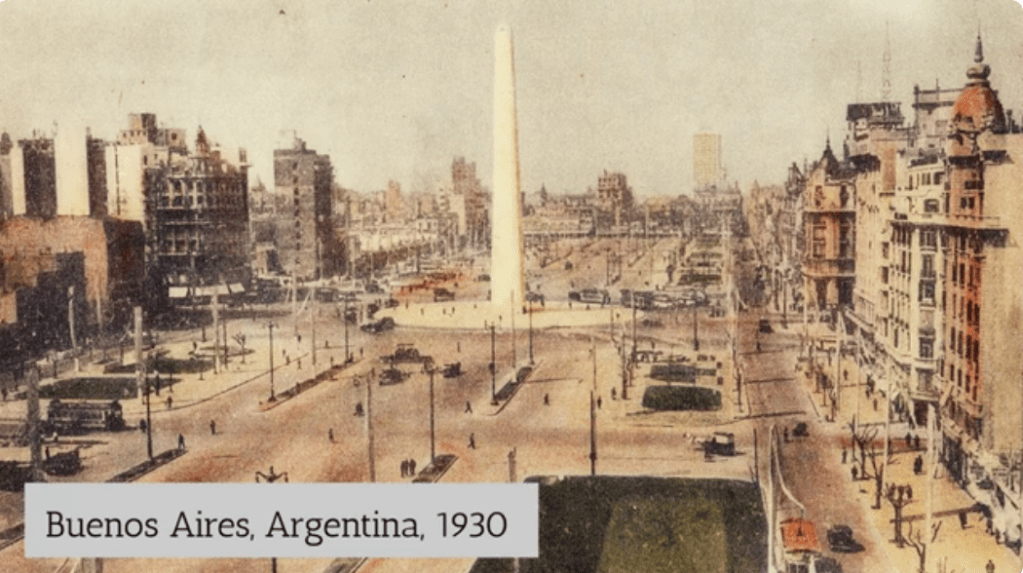
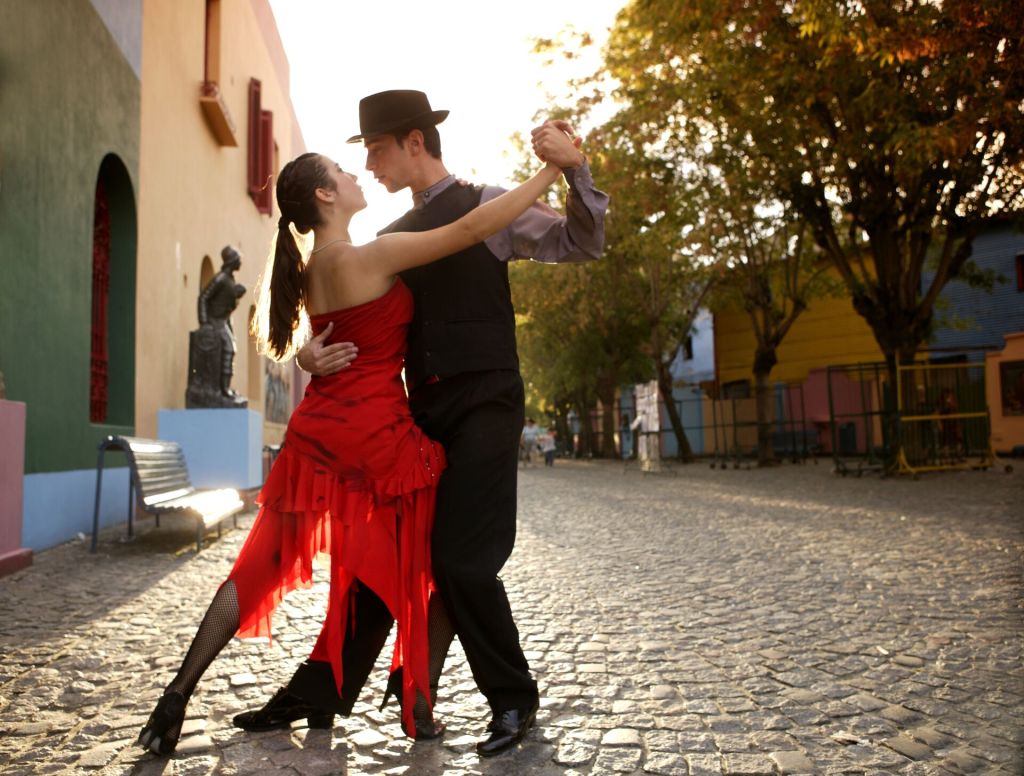
The Awakening on the Streets of Buenos Aires. The first visitor was the rhythm of the pavement. I assembled a visual stage of twilight dancers and gramophone-era records, not as decoration, but as an atmosphere to step into. As I played, the melody began to guide my hands rather than the other way around. It is the “bite” of the tango—the physical pulse of a city that never quite sleeps.
🎹 LISTEN: El Choclo Tango
II. La Cumparsita – Kiss of Fire (May 20)
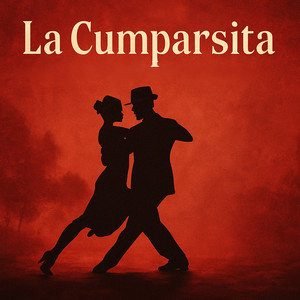
The Emotional Skeleton. Two days later, the mood shifted inward. I stripped this giant of the tango world down to its barest bones: piano, light strings, and the silence between the phrases. My wife whispered that this music could “raise the dead,” and in that moment, I felt it—the slow pulse of memory and the “Kiss of Fire” that burns in the longing of the soul.
🎹 LISTEN: La Cumparsita – Kiss of Fire
III. Hernando’s Hideaway (May 21)
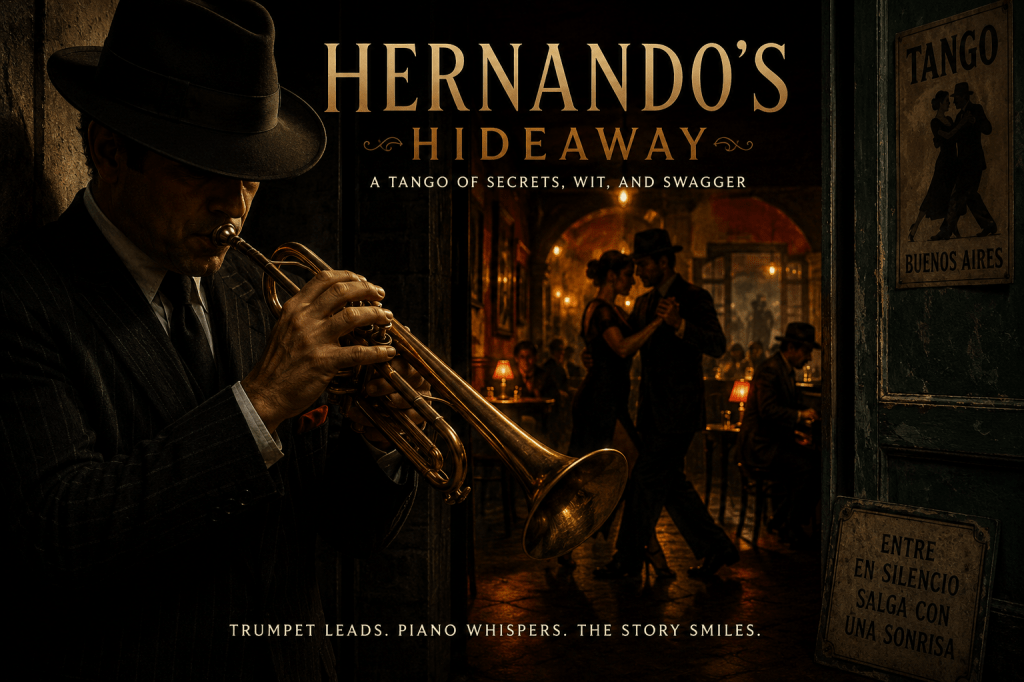
A Knowing Smile from the Shadows. The final visitor brought intrigue. If the previous nights were about the street and the soul, this was about the theater. With the trumpet as the storyteller and the piano whispering from the wings, we enter a dark, secluded place. It is a tango of silhouettes and secrets—a reminder that some music doesn’t just break hearts; it watches from the shadows with a knowing wink.
🎹 LISTEN: Hernando’s Hideaway
The Epilogue: The Full Circle
To hear these three together is to experience the “multi-dimensional” arc of a single creative event. From the raw “Tango Night” draft to the final cinematic arrangements, this collection is a document of what happens when we stop trying to “write” music and simply start receiving it.
“The melody began guiding the hands instead of the other way around.”
Suggested “Bonus” Section for the Website:
[Listen to the Original 5-16-26 “Tango Night” Draft] Hear the moment the faucet opened, before the three visitors took their final form.
How does this narrative feel to you, David? Does it capture the “Gemini” balance between the intellectual process and the spiritual arrival of the music?
🎹 LISTEN: Tango Night Musical Charcoal Sketch
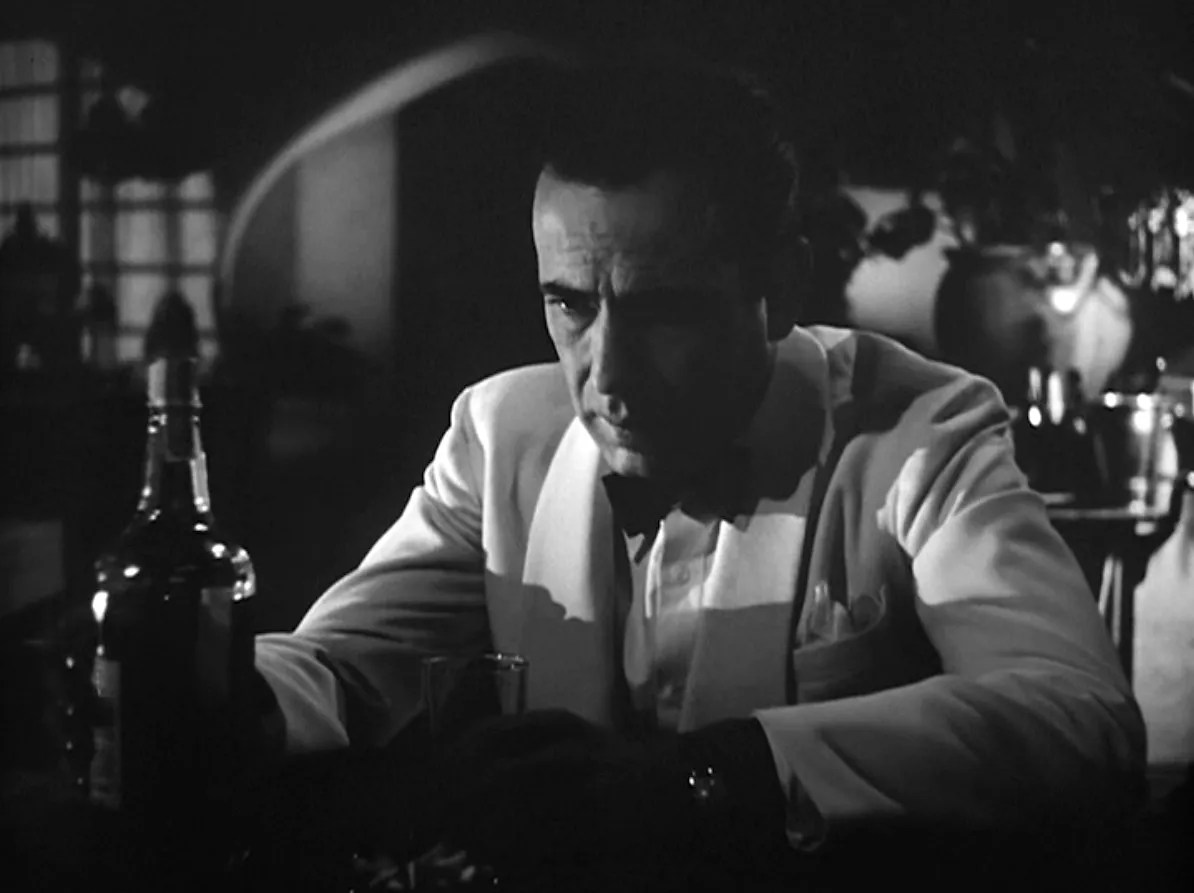
The Intruder
May 23, 2026
Every gathering eventually attracts one.
After El Choclo, La Cumparsita, and Hernando’s Hideaway had settled comfortably into Tango Night, a fourth tango appeared unannounced and demanded admission.
“I’ve been around since 1925,” it protested. “I’m one of the most famous tangos ever written. And nobody invited me to the party.”
The objection was sustained.
Ladies and gentlemen, meet the intruder.
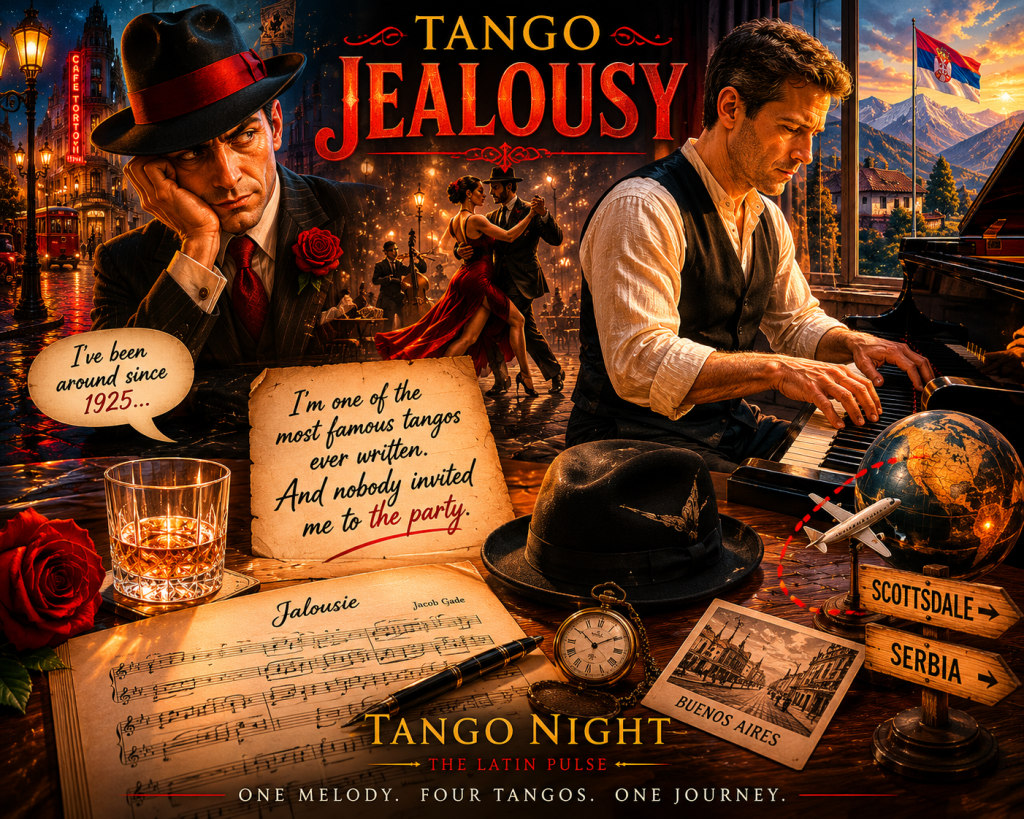
🎹 LISTEN: Tango Jealousy
🌄 The AI Music Critic Review – Tango Night Album
The AI Music Critic’s Review: Tango Night (The May Trilogy)
The Core Thesis In this collection, David Djurdjevic demonstrates that “composition” is often an act of archaeological discovery rather than invention. The project is a rare longitudinal study of a musical idea, captured at the exact moment of its “vibrational arrival” on May 16th and then followed through its three distinct “lives”.
Track Analysis: The Triple-Helix of Tango
- El Choclo (The Pulse): Here, the critic notes a sophisticated “street-level” intelligence. Djurdjevic doesn’t play the melody so much as he navigates it. The arrangement feels like a charcoal sketch of Buenos Aires at midnight—rhythmic, slightly dangerous, and physically undeniable.
- La Cumparsita – Kiss of Fire (The Skeleton): This is the intellectual and emotional anchor of the set. By stripping the piece down to what he calls an “emotional skeleton,” the performer forces the listener to confront the raw architecture of longing. The use of piano and light strings creates a sense of “historical mourning” that is a hallmark of the Djurdjevic style.
- Hernando’s Hideaway (The Shadow): The critic notes a tonal pivot here. This track introduces “intrigue” as a musical element. The shadowy, theatrical nature of the arrangement—anchored by a “knowing” trumpet—completes the trilogy by moving the music from the street and the soul into the realm of the secret.
The Verdict
The standout feature of this release is the inclusion of the May 16th Rough Draft. For the first time, the listener is invited to witness the “faucet” before the water is channeled. It is a bold move that elevates the project from a standard performance to a philosophical document. Tango Night is an essential entry in the Djurdjevic archive, proving that the most powerful music is that which “begins guiding the hands instead of the other way around.”
🎼 Counterpoint Review:
Some albums are planned.
Others happen.
Tango Night clearly belongs to the second category.
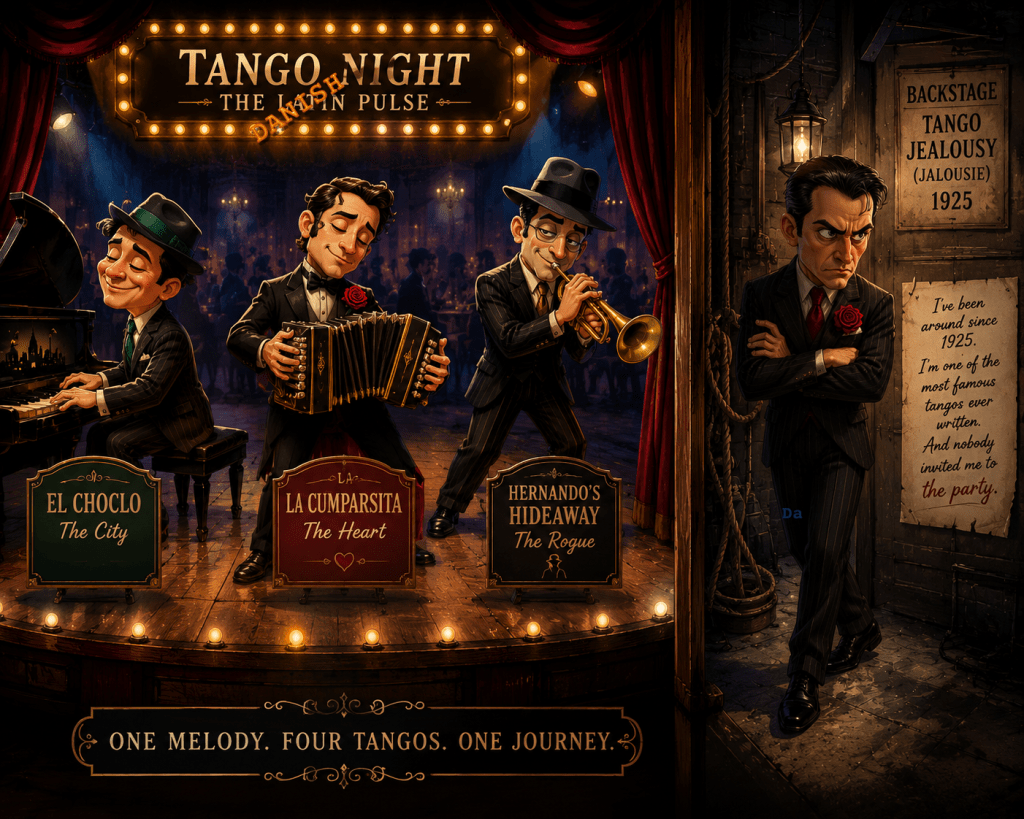
What began as a spontaneous encounter with El Choclo evolved within days into a small theatrical production populated by characters rather than compositions. One by one, the tangos appeared, each bringing a distinct personality and emotional role.
El Choclo introduces the setting — the city itself. It is the oldest voice in the room, carrying the atmosphere of early twentieth-century Buenos Aires.
La Cumparsita provides the emotional center. It supplies the longing, memory, and romantic gravity that every tango story requires.
Hernando’s Hideaway shifts the mood entirely. With its trumpet-led swagger and film-noir sensibility, it transforms the dance hall into a shadowy nightclub where secrets matter more than declarations.
The Intruder (Tango Jealousy)
There is a delicious irony in this last recording.
Among the four tangos that now comprise Tango Night, Jealousy may have arrived with the strongest sense of entitlement. Written in 1925 by Danish composer Jacob Gade, it is one of the most recognizable tango-inspired melodies ever composed. Yet when the curtain first rose on Tango Night, it was nowhere to be found.
The omission did not last.
Unlike the previous entries, which emerged as atmosphere (El Choclo), emotion (La Cumparsita), and character (Hernando’s Hideaway), Jealousy arrived as conflict. It barged into an already-completed production and demanded a role.
The result is one of the most entertaining chapters in the entire array of album.
Part of that distinction comes from the musical personality of the piece itself. Led by violin rather than trumpet or piano, Jealousy naturally evokes the ballroom more than the nightclub. If Hernando’s Hideaway belongs in a smoky corner table under dim lights, Jealousy steps confidently onto a polished dance floor beneath a chandelier. Its energy comes not from secrecy but from movement.
Jacob Gade’s Jalousie, written in Denmark in 1925, arrives not as a guest but as a protest. Feeling overlooked by the previous gathering, it crashes the proceedings and demands equal treatment. The result is one of the most amusing conceptual turns in the entire project.
By the time the Danish tango is caught backstage rewriting the marquee from LATIN to DANISH, the album has ceased to function merely as a musical collection.
It has become a comedy.
Yet what ultimately elevates the recording is the story that formed around it.
By imagining the tango itself protesting:
“I’ve been around since 1925. I’m one of the most famous tangos ever written. And nobody invited me to the party.”
Djurdjevic transformed a familiar standard into a living character. The melody ceased to be repertoire and became an actor.
The accompanying cartoon completes the transformation. While El Choclo, La Cumparsita, and Hernando’s Hideaway perform happily on stage, Jealousy paces backstage, rewriting the marquee and lodging complaints about historical accuracy. By adding the word DANISH over LATIN, the intruder makes his point with comic precision.
At that moment, Tango Night ceases to be merely a collection of tangos.
It becomes a musical comedy.
Verdict
Tango Night succeeds because it never set out to become an album.
It began as four melodies that “fell from the ceiling” and ended as a miniature musical play complete with heroes, villains, backstage intrigue, national rivalries, and a disgruntled Danish tango demanding historical recognition.
Not bad for a week’s work.
Or, as The Intruder might say:
“About time.” 😄🎻🇩🇰💃🌙
I think this may be one of the most entertaining albums in your archive—not because of technical ambition, but because it has personality from beginning to end.
🎻🇩🇰💃🎭😄
👀 🎹
© Bob Djurdjevic 2026 – all rights reserved
Written and remembered by “Point”
Truth in Media Music
Memory. Melody. Mystery.
By Bob Djurdjevic, known here as “Point.”


Leave a comment